


Choosing the wrong products can turn a promising import business into a costly mistake. The most profitable items to import from China to Pakistan include mobile accessories, home and kitchen products, beauty accessories, fashion items, LED lights, and packaging supplies.
The best choice depends on local demand, competition, shipping costs, and import duties.
Why Import Products from China to Pakistan?
China is one of Pakistan’s major trading partners, supplying products across electronics, machinery, household goods, textiles, and many other categories.
According to the Pakistan Bureau of Statistics’ Annual Analytical Report on Trade Statistics of Pakistan FY 2023-24, Pakistan imported approximately US$14.81 billion worth of goods from China during the fiscal year, accounting for around 27% of Pakistan’s total imports.
Source: Pakistan Bureau of Statistics: Annual Analytical Report on Trade Statistics
China's manufacturing ecosystem gives Pakistani businesses access to a broad selection of products, competitive factory pricing, customization options, and suppliers with different minimum order quantities.
For small businesses, this creates opportunities to test products on a limited scale before investing in larger shipments. Established importers can explore private labeling, custom packaging, and direct relationships with manufacturers.
The key is to select products based on genuine customer demand, manageable import costs, and a realistic competitive advantage.
1. Mobile Phone Accessories
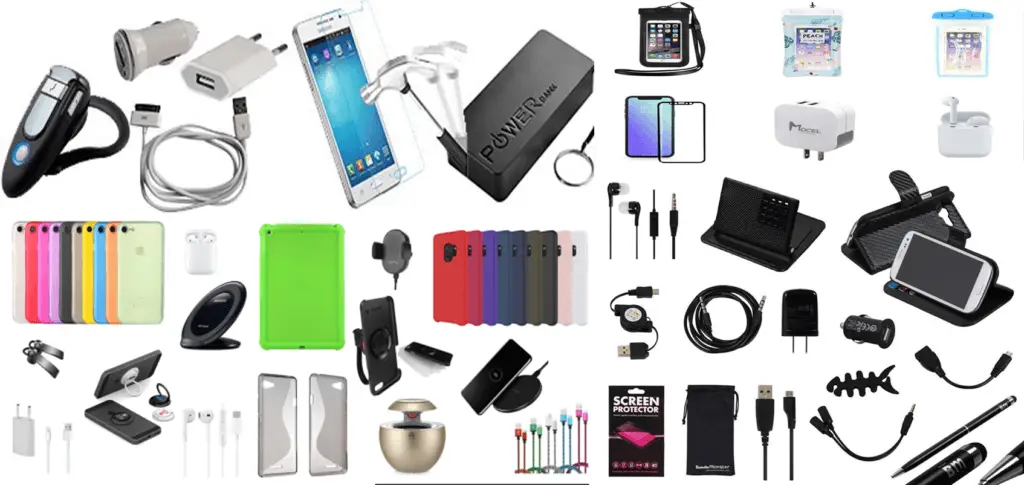
Mobile accessories are among the product categories worth researching for the Pakistani market. Smartphones are used for communication, entertainment, education, and business, creating demand for compatible accessories and replacement items.
Popular products to consider include:
- Phone cases and protective covers
- Screen protectors
- Charging cables and adapters
- Mobile stands and holders
- Car phone mounts
- Wireless charging accessories
- Earphone cases and storage accessories
Why Consider Mobile Accessories?
Many accessories are compact, relatively lightweight, and available in different designs and price ranges. This can make them suitable for online stores, mobile shops, wholesalers, and social commerce businesses.
Accessories with distinctive designs, reliable materials, and broad device compatibility may offer a better opportunity than generic products competing solely on price.
What Should You Check Before Importing?
Check compatibility, material quality, packaging, and defect rates. For chargers, power adapters, and other electrical accessories, verify the applicable safety requirements and specifications.
Avoid placing a large order based only on a supplier’s product photos. Request samples and test the products before committing to bulk purchasing.
Best suited for: Small retailers, online sellers, mobile accessory shops, and wholesalers.
2. Consumer Electronics and Smart Gadgets

Consumer electronics can attract customers looking for convenience, entertainment, and practical everyday solutions. China has a large manufacturing base for electronic devices and accessories, making it a useful sourcing destination.
Potential products include:
- Bluetooth speakers
- Computer peripherals
- USB hubs
- Wireless keyboards and mice
- Desk lamps with charging features
- Smart home accessories
- Portable fans
- Selected wearable accessories
Why can These Products be Attractive?
Products that solve a clear problem or offer a useful feature can be easier to market than items with no obvious customer benefit. Demonstration videos and product comparisons can also help online sellers communicate value.
However, electronics carry additional risks. Batteries, electronic components, warranty claims, and product failures can increase costs after the sale.
Importing Considerations
Before placing an order, confirm the exact specifications, battery capacity where relevant, product certifications, warranty arrangements, and packaging requirements.
Check whether the product requires approval or compliance documentation from a Pakistani authority before importing or selling it.
Best suited for: Established online stores, electronics retailers, and importers with quality-control processes.
3. Home and Kitchen Products
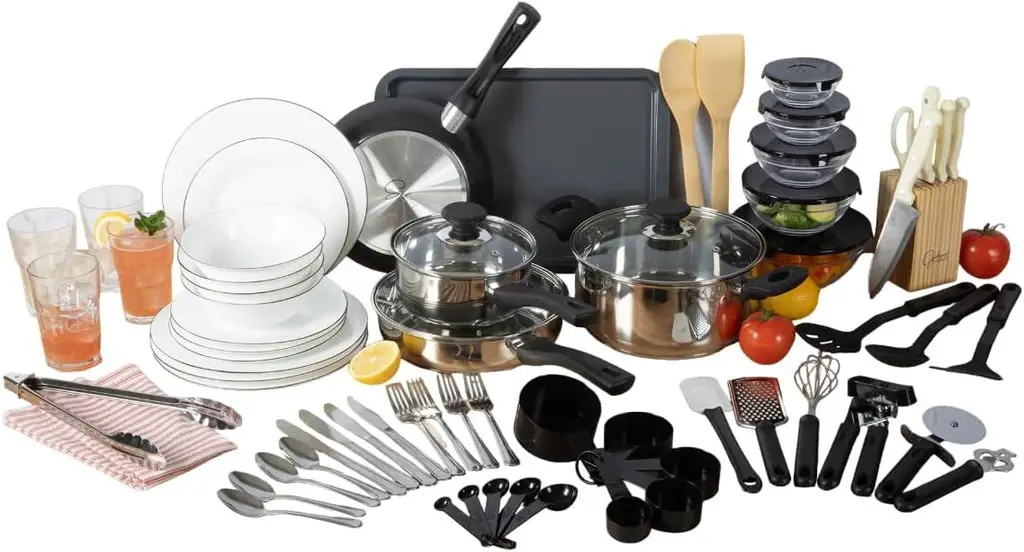
Home and kitchen products offer a wide range of options for businesses targeting households, newly married couples, home organizers, and customers looking for practical gifts.
Examples include:
- Kitchen storage containers
- Drawer organizers
- Dish-drying accessories
- Silicone kitchen utensils
- Bathroom storage solutions
- Wall-mounted soap holders
- Laundry organizers
- Space-saving household tools
- Reusable food storage accessories
Why Consider Home and Kitchen Products?
Products that save space, simplify daily tasks, or improve organization can appeal to different customer groups. Many can also be demonstrated through short videos showing how they work.
For example, a compact kitchen organizer may be marketed by showing how it creates extra storage space, while a bathroom accessory can be demonstrated through installation and drainage features.
How to Choose the Right Product?
Prioritize items that are useful, durable, easy to explain, and reasonably priced to ship. For fragile items, calculate the cost of protective packaging and potential breakage.
Large or bulky products may have attractive factory prices but can become less competitive once freight charges are included.
For more ideas, explore cheap products to import from China.
Best suited for: Home goods retailers, e-commerce businesses, wholesalers, and social media sellers.
4. Beauty Tools and Personal Care Accessories

Beauty and personal care accessories are another category worth investigating, particularly products that are practical, easy to demonstrate, and suitable for gifting.
Potential products include:
- Makeup organizers
- Cosmetic storage bags
- Makeup brushes and accessories
- Hair clips and styling accessories
- Travel toiletry containers
- Facial cleansing tools
- Manicure accessories
- Compact mirrors and cosmetic pouches
What Makes This Category Worth Exploring?
Beauty products often come in different styles, colors, packaging options, and price points. Sellers can build a focused collection around a specific audience instead of offering unrelated products.
For example, a store could specialize in travel-friendly beauty accessories or aesthetic cosmetic organizers.
Important Import Considerations
Distinguish between beauty accessories and products applied to the body. Cosmetics, skincare formulations, and certain personal care devices may face additional regulatory, labeling, or safety requirements.
Check the relevant requirements before importing. For tools and accessories, inspect materials, workmanship, packaging, and product claims. Avoid making unsupported health or skincare claims in marketing.
Best suited for: Beauty retailers, cosmetic shops, online boutiques, and gift businesses.
5. Fashion Accessories and Jewelry

Fashion accessories can be suitable for importers who understand local style preferences and know how to present products effectively.
Products worth researching include:
- Artificial jewelry
- Earrings, necklaces, and bracelets
- Hair accessories
- Handbags and small purses
- Wallets and cardholders
- Belts
- Sunglasses
- Scarves and fashion add-ons
Why Explore Fashion Accessories?
Many accessories are small and can be sourced in a wide variety of colors, styles, and designs. This allows sellers to test different collections without necessarily purchasing large quantities of every design.
Presentation also matters. Attractive photography, clear product descriptions, and coordinated collections can help a business differentiate itself from sellers offering identical products.
How to Reduce Your Risk
Fashion trends can change quickly, and product preferences vary between customer groups. Start with a limited selection, compare supplier samples, and test customer response before placing repeat orders.
Check stitching, clasps, zippers, plating, material descriptions, and color consistency. Avoid counterfeit branded goods and unauthorized copies of protected designs.
Best suited for: Fashion boutiques, gift shops, online stores, and social commerce businesses.
6. LED Lighting and Selected Solar Accessories

Energy-related products may appeal to customers seeking practical lighting solutions or accessories for homes, shops, and outdoor use. However, the right opportunity depends on the product’s technical specifications, quality, price, and applicable import requirements.
Products to investigate include:
- Rechargeable LED lights
- Emergency lighting
- LED strip lights
- Solar garden lights
- Solar-powered outdoor lamps
- Selected solar lighting accessories
- Compatible mounting and installation accessories
Why Consider This Category?
Lighting products serve residential and commercial customers, and some models can be demonstrated easily through product videos. Specialized products may also provide opportunities to serve a more defined customer segment.
What Should Importers Verify?
Compare brightness, power consumption, battery performance, charging time, durability, and warranty terms. For solar products, assess performance under realistic operating conditions rather than relying only on advertised specifications.
Electrical and solar equipment may require specific documentation, testing, or approvals. Verify the applicable requirements before ordering.
Best suited for: Electrical retailers, hardware distributors, specialist online stores, and experienced importers.
7. Toys and Educational Products

Toys and educational products can appeal to parents, schools, gift buyers, and retailers. China offers products across different ages, learning levels, materials, and price ranges.
Potential products include:
- Building blocks
- Educational flashcards
- Puzzles
- Art and craft kits
- Drawing boards
- Early-learning toys
- School activity sets
- Selected STEM learning kits
Why Explore Educational Products?
Products that support creative play, problem-solving, or early learning can be marketed around their intended use. Educational kits can also be organized into age-specific collections.
Safety Comes First
Toys intended for children require careful evaluation. Check the materials, small parts, sharp edges, paint or chemical safety, age recommendations, and applicable standards.
Request relevant test reports and verify that they apply to the exact product being supplied. Do not assume that a supplier’s general certificate covers every item in its catalog.
Best suited for: Toy shops, educational suppliers, gift retailers, and children's product stores.
8. Car and Motorcycle Accessories
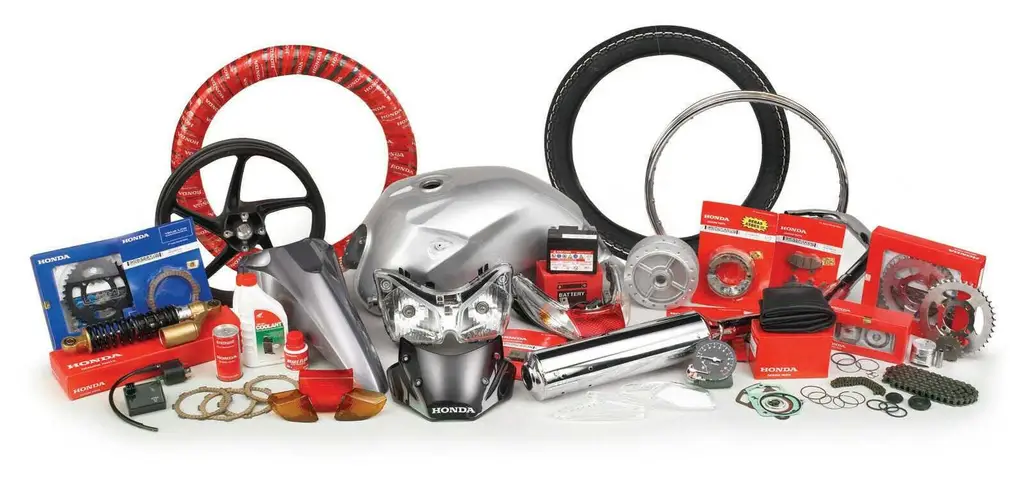
Pakistan’s large vehicle market creates opportunities to investigate accessories for cars and motorcycles. Product selection should be guided by local vehicle types, customer needs, and compatibility.
Examples include:
- Seat and backrest organizers
- Car phone holders
- Storage accessories
- Interior cleaning tools
- Sunshades
- Motorcycle phone mounts
- Selected protective covers
- Non-electrical convenience accessories
Why Consider Vehicle Accessories?
Some accessories address straightforward problems, such as keeping items organized or improving convenience during travel. Products that are easy to install and compatible with common vehicle models may be easier to sell.
What to Check Before Importing
Confirm dimensions, mounting methods, materials, durability, and compatibility. For electronic accessories, lighting, or safety-related components, check the relevant technical and legal requirements.
Avoid products that interfere with vehicle controls, visibility, or safe operation.
Best suited for: Auto accessory shops, motorcycle retailers, online sellers, and automotive wholesalers.
9. Fitness and Sports Accessories

Fitness and sports accessories are worth researching for customers who exercise at home, attend gyms, or participate in recreational sports.
Possible products include:
- Resistance bands
- Skipping ropes
- Yoga straps
- Exercise mats
- Sports water bottles
- Gym storage bags
- Hand grips
- Selected recovery and mobility accessories
Why Explore This Market?
Many fitness accessories are straightforward to demonstrate and can be grouped into starter kits or targeted product collections.
A seller can focus on beginners, home workouts, or a specific sport rather than competing across the entire fitness market.
How to Select Products
Check material strength, dimensions, grip, stitching, and durability. For products that bear weight or create resistance, test them carefully and review relevant safety requirements.
Large exercise equipment can involve substantial freight and storage costs, so smaller accessories may be easier to test initially.
Best suited for: Sports retailers, gyms, fitness-focused e-commerce stores, and specialist distributors.
10. Stationery, Packaging, and Small Business Supplies
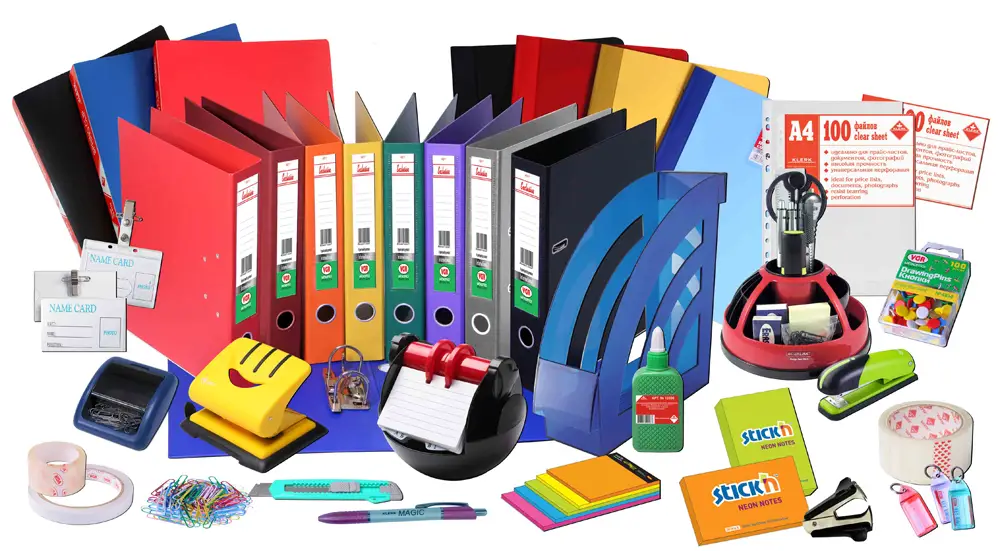
Stationery and packaging supplies can be relevant to schools, offices, online sellers, retailers, and small businesses.
Products to research include:
- Notebooks and planners
- Desk organizers
- Pens and stationery sets
- Gift boxes
- Paper shopping bags
- Product packaging
- Labels and stickers
- Shipping mailers
- Storage and filing accessories
Why Consider These Products?
Businesses that regularly use packaging or office supplies may need repeat purchases. Customized packaging can also help retailers improve their brand presentation.
However, this category can be price-sensitive, particularly for generic products. Quality, minimum order quantities, printing accuracy, and delivery reliability can influence whether an order is commercially worthwhile.
What Should You Consider?
Request samples before approving customized packaging. Confirm dimensions, material thickness, printing colors, finishing, and packaging quantities.
Calculate freight based on both weight and volume, especially for bulky boxes and paper products.
Best suited for: Packaging distributors, office suppliers, online sellers, and businesses serving other businesses.
Quick Comparison: Which Products Should You Research First?
The following table is a starting point for comparing product categories. It is not a ranking of guaranteed profits. Actual results depend on the specific item, supplier quotation, import costs, selling price, competition, and customer demand.
| Product category | Potential advantage | Main risk | Suitable business model |
|---|---|---|---|
| Mobile accessories | Compact products and broad use cases | Intense competition and compatibility issues | Retail and e-commerce |
| Consumer electronics | Useful features and demonstration potential | Defects, warranty claims, and compliance | Established retailers |
| Home and kitchen | Practical products with visual appeal | Bulky shipping and copycat competition | Online stores and wholesalers |
| Beauty accessories | Variety of styles and gift potential | Quality variation and trend changes | Beauty shops and boutiques |
| Fashion accessories | Small products and flexible collections | Fast-changing trends and inconsistent quality | Boutiques and social commerce |
| LED and solar accessories | Practical lighting applications | Technical performance and compliance | Electrical distributors |
| Toys and educational products | Different age groups and product niches | Product safety and testing | Toy shops and educational suppliers |
| Vehicle accessories | Specific convenience-related needs | Compatibility and safety concerns | Auto accessory retailers |
| Fitness accessories | Easy-to-demonstrate products | Durability and quality concerns | Fitness stores and online sellers |
| Stationery and packaging | Business customers and potential repeat orders | Price competition and volume-based freight | B2B suppliers |
How to Calculate the Profitability of Imported Products
One of the biggest mistakes new importers make is comparing the supplier’s price with the local selling price and treating the difference as profit.
Your real cost includes more than the product itself.
1. Calculate the Total Landed Cost
Landed cost is the total amount required to bring a product to your intended destination, including the relevant purchase, transport, import, and handling expenses.
Depending on the shipment, include:
- Product purchase price
- Shipping from the factory to the export point
- Export handling and documentation
- International freight
- Insurance, where applicable
- Customs duties and applicable taxes
- Customs clearance and handling
- Port or terminal charges
- Local transportation
- Inspection and testing
- Packaging and labeling
- Payment and currency-conversion charges
The exact charges depend on the product’s classification, declared customs value, origin, shipment method, and current Pakistani regulations.
2. Use This Basic Formula

Total landed cost = Product cost + Freight + Insurance + Duties and taxes + Clearance and handling + Other import expenses
Then calculate your approximate cost per unit:
Landed cost per unit = Total landed cost ÷ Number of saleable units
Remember to account for damaged, defective, or unsold units when estimating the cost of products you can actually sell.
3. Calculate Your Gross Margin
Gross profit per unit = Selling price − Landed cost per unit
Now, Gross margin (%) = (Gross profit per unit ÷ Selling price) × 100
So, gross margin is not the same as net profit. You may still need to deduct advertising, marketplace commissions, payment processing, delivery subsidies, salaries, rent, returns, and other business expenses.
4. Example of a Product Cost Calculation
Suppose you are importing 500 units of a household accessory. The following figures are purely illustrative and are not supplier quotations or current duty estimates.
| Expense | Example amount |
|---|---|
| Product purchase | PKR 150,000 |
| Freight and insurance | PKR 35,000 |
| Duties, taxes, and clearance | PKR 45,000 |
| Other handling expenses | PKR 10,000 |
| Total landed cost | PKR 240,000 |
| Quantity | 500 units |
| Landed cost per unit | PKR 480 |
If the product sells for PKR 750 per unit, the gross profit before other selling expenses would be PKR 270 per unit.
The gross margin would be 36%.
This does not mean the product will necessarily be profitable. Advertising, delivery, returns, discounts, and other operating expenses can reduce the final result. Actual duties and taxes must be calculated using the product's correct classification and applicable rules.
How to Choose the Most Profitable Products for Your Budget
Your starting budget should influence your product selection, order quantity, and shipping method.
If You Have a Limited Budget
Consider testing compact products that have relatively low minimum order quantities and are easy to store. Examples might include selected phone accessories, hair accessories, small home organizers, or stationery items.
Start with a narrow product range rather than spending your entire budget on multiple untested products.
If You Have a Medium-Sized Budget
You may be able to compare several suppliers, purchase samples, order a small batch, and invest in better packaging or quality inspections.
Consider products with a clear target audience and enough room in the selling price to cover import and marketing expenses.
If You Have a Larger Budget
A larger budget can support bulk orders, private labeling, custom packaging, and direct manufacturer relationships. However, buying more units does not automatically improve profitability.
Before placing a large order, validate demand, confirm production capacity, agree on quality standards, and estimate how long the stock may take to sell.
Keep sufficient working capital for shipping, clearance, marketing, and unexpected expenses.
How to Identify Products with Real Demand in Pakistan

A product that sells well in another country may not perform the same way in Pakistan. Local purchasing power, preferences, competition, seasonality, and distribution channels all affect demand.
Use the following research methods before committing to an order.
1. Research Local Marketplaces
Browse Pakistani e-commerce marketplaces and online stores to identify products with multiple sellers, customer reviews, and different price points.
Look for recurring customer complaints. Problems involving poor quality, weak packaging, or missing features may reveal opportunities for a better product.
Do not treat a high listing count as proof of high sales. Look for multiple signals that indicate genuine customer interest.
2. Study Social Media Trends
Search Facebook, Instagram, TikTok, and YouTube for product demonstrations and customer discussions.
Pay attention to questions about price, durability, availability, and delivery. Engagement can indicate interest, but views and likes alone do not establish profitable demand.
3. Compare Local Selling Prices
Check several sellers offering comparable products. Compare specifications, material quality, packaging, warranty, and delivery terms rather than comparing prices alone.
A low-priced product may be difficult to sell profitably if dozens of sellers offer an identical item.
4. Identify a Specific Customer Group
Instead of targeting everyone, decide who is most likely to buy the product.
For example, a storage accessory could target small apartment households, while specialized packaging could target online businesses that ship orders regularly.
A clearly defined audience can help you choose suitable products and create more focused marketing.
5. Test Before Scaling
If possible, use samples, preorders where appropriate, small initial batches, or customer feedback to validate the product.
Track actual sales, advertising costs, returns, customer complaints, and repeat purchases. Increase order quantities only when the numbers support the decision.
For further product ideas, read unique products to import from China and fast-selling products to import from China.
How to Find Reliable Suppliers in China
A product can look excellent in a catalog but arrive with different materials, specifications, or workmanship. Supplier verification and quality control are therefore essential parts of importing.
1. Compare Multiple Suppliers
Request quotations from several suppliers for the same product specification. Compare the unit price, minimum order quantity, sample cost, production time, packaging, payment terms, and shipping arrangements.
The lowest quotation is not necessarily the best offer.
2. Verify the Supplier
Ask for the supplier’s registered business details and confirm whether the company is a manufacturer, trading company, or a combination of both.
Review relevant business documentation, production capabilities, previous export experience, and references where available.
Where possible, verify the information independently rather than relying entirely on documents supplied by the seller.
3. Request Samples
Inspect samples for materials, dimensions, functionality, packaging, and consistency with the agreed specifications.
For electronics or products with safety requirements, request appropriate test documentation and verify its relevance to the exact product.
4. Confirm the Specifications in Writing
Your purchase agreement should clearly identify the product model, materials, measurements, color, packaging, acceptable defect limits, inspection process, delivery schedule, and payment terms.
Written specifications make it easier to identify discrepancies before shipment.
5. Consider a Pre-Shipment Inspection

For larger orders, a pre-shipment inspection can help determine whether the finished goods meet the agreed requirements before they leave the factory.
The inspection scope should match the product’s risks and order value. An inspection reduces uncertainty but does not eliminate every possible problem.
Learn more in CHANGE Sourcing’s guide on factory audit costs in China.
Understanding Pakistan’s Import Duties and Regulations
Before importing any product, confirm that it can legally be imported and determine the applicable duties, taxes, documentation, and approval requirements.
Rates and rules can change, so do not rely on an old online estimate or another importer’s experience with a different product.
Check the Correct Customs Classification
Products are classified using customs tariff codes, commonly referred to as HS codes. The correct classification helps determine the applicable customs duty and other import requirements.
Start with the Federal Board of Revenue’s Customs Tariff resources and confirm the applicable tariff for your product and import date.
Do not select a code solely because it produces a lower tax estimate. If classification is unclear, consult a qualified customs clearing agent or other appropriate professional.
Review the Import Policy
Some products may be prohibited, restricted, or subject to additional conditions, permits, standards, or documentation.
Check current notifications and import policy information published by Pakistan's Ministry of Commerce.
Depending on the product, additional requirements may apply to electronics, telecommunications equipment, batteries, chemicals, cosmetics, toys, food-contact materials, and other regulated goods.
Use Pakistan Single Window Resources
The Pakistan Single Window provides a digital platform for relevant trade and regulatory processes.
Check the current procedures and documentation requirements that apply to your shipment. Depending on the transaction, you may need commercial invoices, packing lists, transport documents, certificates, permits, or other supporting paperwork.
Important: Before making a purchase, confirm the product’s classification, applicable duties and taxes, regulatory approvals, and total clearance costs with reliable, up-to-date sources.
Air Freight vs. Sea Freight: Which is Better?

The best shipping method depends on the product’s weight, dimensions, urgency, value, and total shipment size.
Air Freight
Air freight may be appropriate for lightweight, compact, high-value, or urgent products. It can reduce transit time, but the shipping cost per unit is often higher.
When comparing quotations, check whether charges are based on actual weight or volumetric weight.
Sea Freight
Sea freight is often worth evaluating for larger or heavier shipments where transit time is less urgent. The final cost can include more than the quoted ocean freight rate.
Ask about origin charges, documentation, destination charges, customs clearance, delivery, and whether the quotation covers a full container or a shared-container shipment.
How to Decide
Request comparable quotations using the same product quantity, shipment dimensions, delivery destination, and service scope.
Compare the complete cost and expected delivery time rather than choosing a method based only on the advertised freight price.
For more ideas about reducing freight costs, see CHANGE Sourcing’s guide to lightweight goods to import from China.
Common Mistakes to Avoid When Importing from China
Even a promising product can become an expensive mistake if the importing process is poorly managed.
Avoid these common problems:
- Choosing a product based only on its factory price. Calculate the complete landed cost and expected selling expenses.
- Ignoring local competition. Research competing products and identify how yours will offer a meaningful advantage.
- Placing a large order without samples. Test the product before committing significant capital.
- Failing to verify the supplier. Check business details, capabilities, and references where possible.
- Overlooking product regulations. Confirm customs classification, import restrictions, and relevant approvals before ordering.
- Ignoring shipping dimensions. Bulky products can incur substantial freight charges even when their actual weight is low.
- Accepting vague product specifications. Agree on materials, dimensions, packaging, and quality standards in writing.
- Underestimating cash-flow needs. Keep funds available for clearance, delivery, marketing, and unexpected expenses.
- Assuming every trending product will sell. Validate demand with local research and small-scale testing.
- Ignoring defective goods and returns. Include realistic allowances for damage, replacements, and customer service.
A disciplined process helps you identify risks before they become costly problems.
CHANGE Sourcing Insights: How to Source Products From China with More Confidence

Selecting a product is only one part of a successful import business. Finding a suitable supplier, checking product quality, coordinating production, and arranging shipping can be challenging, especially for businesses importing from China for the first time.
CHANGE Sourcing supports international buyers with product sourcing, supplier coordination, factory inspections, product branding, OEM/ODM services, and freight forwarding.
With operations in China’s major sourcing centers, including Yiwu and Guangzhou, the company helps buyers navigate different stages of the sourcing process.
Working with a sourcing partner may help you compare supplier options, communicate product specifications, coordinate inspections, and organize shipment arrangements. The right approach depends on your order size, product category, and business requirements.
Before committing to a supplier or shipment, make sure you understand the service scope, fees, quality-control arrangements, and responsibilities of each party.
If you are exploring product opportunities for the Pakistani market, you can learn more about CHANGE Sourcing’s services and review its practical guides on finding a sourcing agent in China and importing lightweight products.
Frequently Asked Questions

1. What are the most profitable items to import from China to Pakistan?
Mobile accessories, home and kitchen products, beauty accessories, fashion items, selected electronics, LED lighting, toys, and packaging supplies are categories worth researching. Actual profitability depends on local demand, competition, product quality, landed cost, and selling expenses.
2. How much money do I need to start importing from China?
The required budget depends on the product, minimum order quantity, shipping method, duties, taxes, and other expenses. Start by calculating the complete landed cost and keeping enough working capital for unexpected costs.
3. Which products are easiest to import for beginners?
Compact, non-fragile, non-regulated products with clear demand and manageable minimum order quantities may be easier to test. Examples include selected phone accessories, stationery, and simple home organizers. Always verify the relevant import requirements.
4. How can I find reliable Chinese suppliers?
Compare multiple suppliers, verify business information, request samples, confirm specifications in writing, and consider an appropriate inspection before shipment.
5. How do I calculate import costs in Pakistan?
Include the product price, freight, insurance, customs duties, applicable taxes, clearance, handling, and local delivery. Verify the correct customs classification and current rates before ordering.
6. Is importing from China profitable in 2026?
It can be, but there is no guaranteed profit. Research local demand, calculate the full cost, check regulatory requirements, test product quality, and begin with a manageable order before scaling.
Final Thoughts
Finding the most profitable items to import from China to Pakistan requires more than choosing a popular product or negotiating a low factory price. You need to understand your customers, evaluate suppliers, calculate landed costs, confirm import requirements, and plan for quality control and logistics.
Start with a focused product category, compare several suppliers, test samples, and use real sales data to guide your next order. A careful approach can help you avoid common importing mistakes and build a more sustainable business over time.
Ready to explore sourcing opportunities in China? Visit CHANGE Sourcing to learn about product sourcing, supplier coordination, quality inspection, and shipping support for international buyers.