

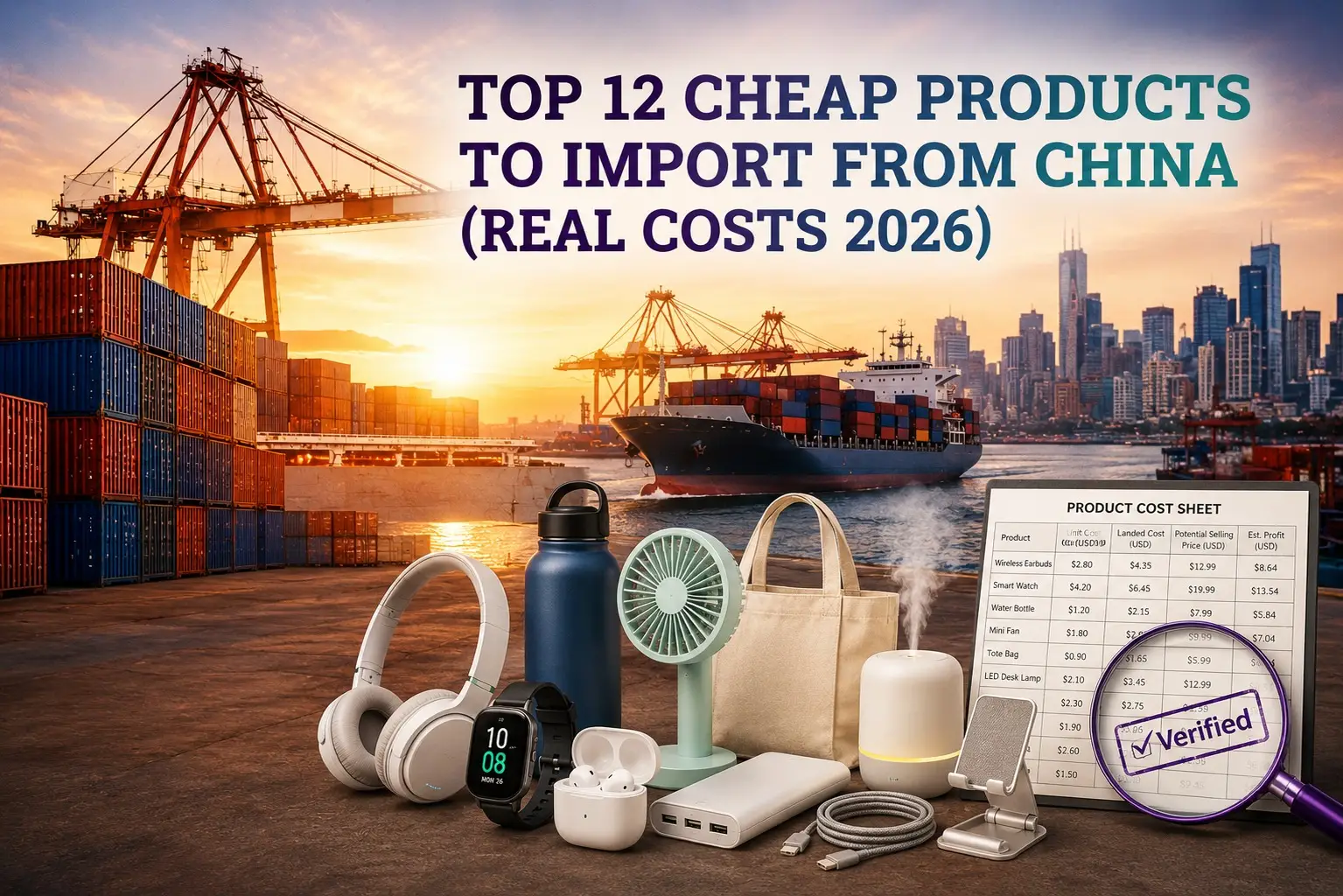
The cheapest products to import from China include phone accessories, LED lighting, kitchen tools, fashion accessories, pet supplies, beauty tools, and small home goods. Most of these are available at FOB prices between $0.50 and $15, with retail margins of 150% to 400% depending on the category and your target market. China remains the world's largest exporter, accounting for about 14% of global merchandise exports as of the latest World Bank data.
But here’s the thing most new importers get wrong: “cheap from China” and “cheap landed at your door” are two very different things. A $1 product can become a $3.50 product by the time it clears customs and reaches your warehouse. That gap is where profits are made or lost.
This guide gives you actual cost breakdowns for each product category, including factory price, freight, duty, and realistic retail margin. That way, you can make a real business decision, not just build a wishlist.
What Makes a Product “Cheap” to Import from China?
A product is cheap to import from China when its factory price, freight cost, and import duty combined still leave a significant markup gap compared to your local retail price.
It is not just about what the factory charges. It is about what you pay in total before the product hits your shelf.
China keeps prices structurally low for four main reasons.
First, industrial clusters. Yiwu handles small commodities, Shenzhen dominates electronics, and Guangzhou leads in fashion. When suppliers, raw materials, and factories are all within the same city, logistics costs drop, and competition keeps unit prices down.
Second, China’s labor costs are significantly lower than in North America or Europe, especially for assembly-heavy products.
Third, the Chinese government offers export VAT rebates of 5% to 13% on many product categories.
This means Chinese exporters get a portion of their value-added tax returned when goods leave China, which allows them to quote lower prices to foreign buyers. Fourth, scale matters. The more you order, the lower your per-unit cost gets. A minimum order of 500 units usually unlocks a meaningfully different price than ordering 50.
Cheap Factory Price vs. Cheap Landed Price: What is the Real Difference?
A product may cost $1 in China but land at $3.50 in your country after freight, duty, and tariffs. So “cheap” depends entirely on landed cost, not just the FOB price the factory quotes you.
Here is a breakdown of what landed cost actually includes:
- FOB price: What you pay the factory for the goods at the port of departure.
- Freight cost: Sea freight is significantly cheaper per unit than air. A single kilogram shipped by air can cost 10 to 20 times more than the equivalent by sea.
- Import duty: Varies by product HS code and your country. Textiles face higher duties than electronics in most markets.
- Customs clearance fees: Typically $100 to $300 per shipment for a customs broker.
Here is a simple example to make this real:
Say you source a silicone kitchen spatula set at $2 FOB from a Yiwu factory. You ship a container of 5,000 units by sea, which adds roughly $0.30 per unit in freight. Import duty in the UK is 6.5% on kitchen tools, adding $0.13. Customs and misc fees add another $0.05. Your landed cost is now $2.48 per unit.
That same set retails on Amazon UK for £12 to £18. The margin is healthy. But if you had air-freighted these to test the market, your freight alone would have jumped to $1.50 to $2.00 per unit, nearly doubling your cost and cutting your margin in half.
You might also like to read: What are the Lightweight Goods to Import from China in 2026?
Cheap Products to Import from China: 12 Categories With Cost Breakdowns
Each category below includes a cost breakdown based on typical Alibaba supplier pricing, sea freight estimates, and average retail market data. Margins are indicative and vary by market and order volume.
1. Phone Accessories (Cases, Cables, Chargers, Screen Protectors)
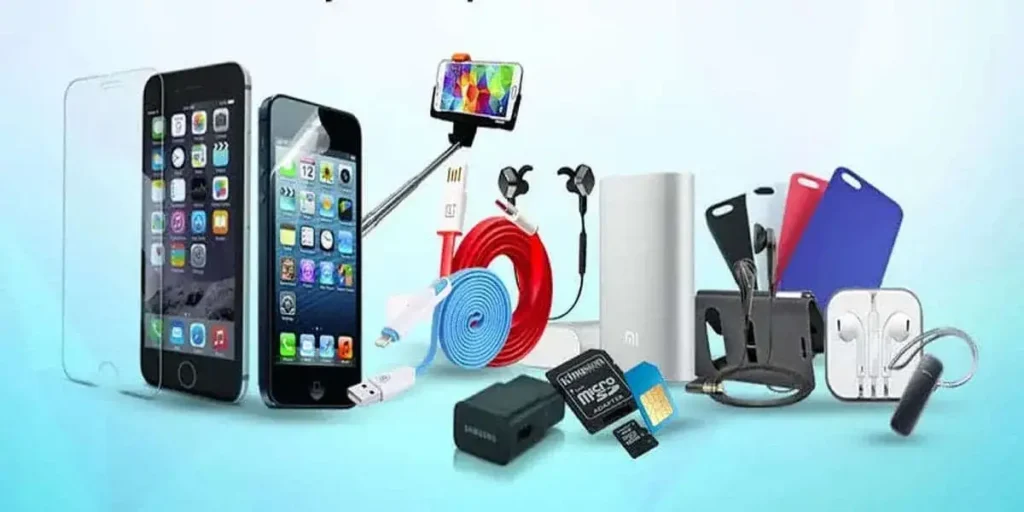
Shenzhen’s electronics cluster means components, assembly, and testing all happen within 50 km of each other. That tight supply chain drives per-unit costs down dramatically.
Phone accessories are also lightweight and compact, which means low freight costs per unit, whether you ship by sea or air.
According to Statista, over 1.2 billion smartphones are sold globally every year. Every one of them is a potential buyer of cases and accessories. Demand is consistent and not trend-dependent.
| Cost Component | Phone Case | USB-C Cable | Screen Protector |
|---|---|---|---|
| FOB Price | $0.60 | $0.80 | $0.50 |
| Sea Freight (per unit) | $0.15 | $0.10 | $0.08 |
| Import Duty (avg. 4%) | $0.03 | $0.04 | $0.02 |
| Misc/Customs (per unit) | $0.05 | $0.05 | $0.05 |
| Landed Cost | $0.83 | $0.99 | $0.65 |
| Avg. Retail Price | $8–$20 | $7–$15 | $5–$12 |
| Estimated Margin | 250–400% | 200–350% | 200–400% |
Import note: Cables with embedded chips may require CE (EU) or FCC (US) certification. Confirm with your supplier before ordering at scale.
2. LED Lighting (Bulbs, Strip Lights, Decorative)
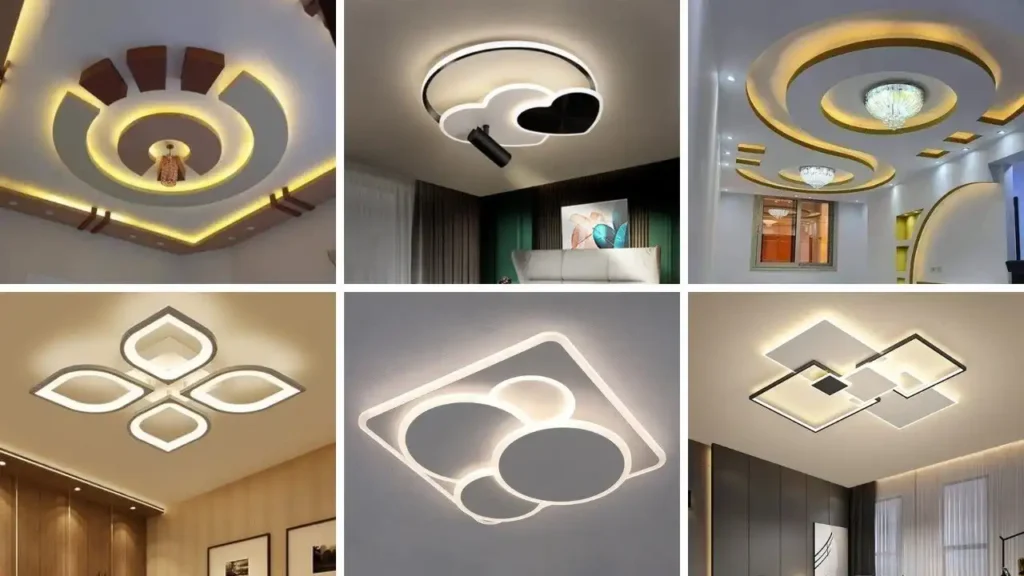
China manufactures over 70% of global LED output, according to the International Energy Agency. Raw materials like LED chips and drivers are sourced domestically at scale, which keeps factory prices low and stable.
Strip lights are popular for home décor and gaming setups. Bulbs have consistent household demand year-round. Both are easy to private-label.
| Cost Component | LED Bulb (10W) | LED Strip (5m) | Decorative String Lights |
|---|---|---|---|
| FOB Price | $0.90 | $2.50 | $1.80 |
| Sea Freight (per unit) | $0.20 | $0.45 | $0.30 |
| Import Duty (avg. 6%) | $0.06 | $0.18 | $0.13 |
| Misc/Customs (per unit) | $0.05 | $0.05 | $0.05 |
| Landed Cost | $1.21 | $3.18 | $2.28 |
| Avg. Retail Price | $6–$12 | $15–$35 | $12–$28 |
| Estimated Margin | 150–300% | 200–350% | 180–300% |
Import note: LED products require CE marking for the EU, UL listing for the US, and SAA approval for Australia. Budget for certification if you plan to sell at scale on Amazon or in retail stores.
3. Kitchen Tools and Gadgets
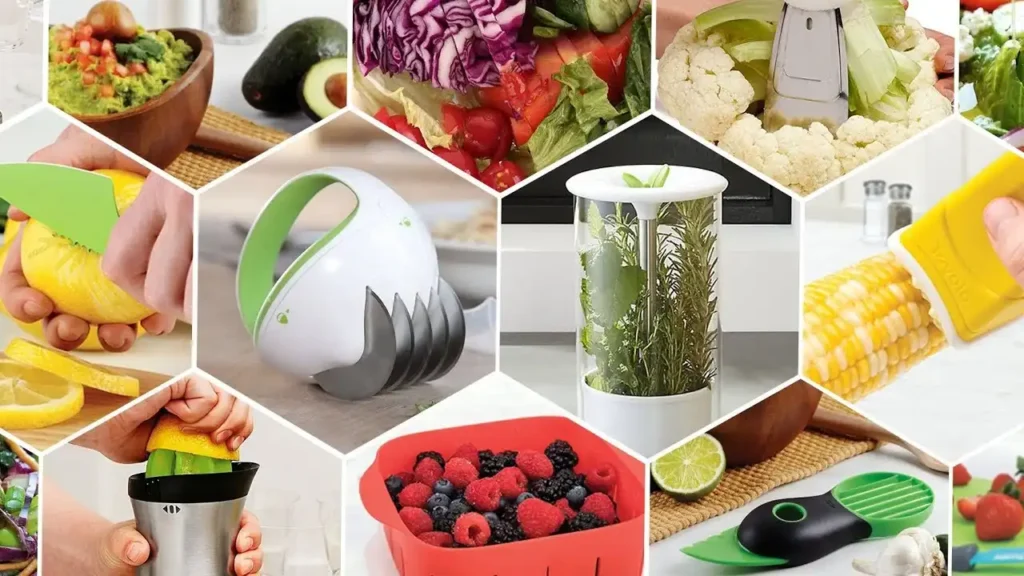
Yiwu and Zhongshan are home to hundreds of competing kitchenware manufacturers. That competition keeps prices in a constant downward race.
Kitchen tools are also consistent sellers — they do not go out of style, and gift-giving occasions drive consistent seasonal spikes.
| Cost Component | Silicone Spatula Set | Manual Vegetable Chopper | Stainless Peeler/Grater Set |
|---|---|---|---|
| FOB Price | $1.80 | $2.50 | $1.20 |
| Sea Freight (per unit) | $0.30 | $0.40 | $0.20 |
| Import Duty (avg. 5%) | $0.11 | $0.15 | $0.07 |
| Misc/Customs (per unit) | $0.05 | $0.05 | $0.05 |
| Landed Cost | $2.26 | $3.10 | $1.52 |
| Avg. Retail Price | $12–$22 | $18–$35 | $10–$20 |
| Estimated Margin | 200–350% | 200–400% | 200–350% |
Import note: Items that contact food may need LFGB compliance for the EU or FDA compliance for the US. Ask suppliers for existing test reports before ordering.
4. Fashion Accessories (Jewelry, Sunglasses, Belts, Scarves)
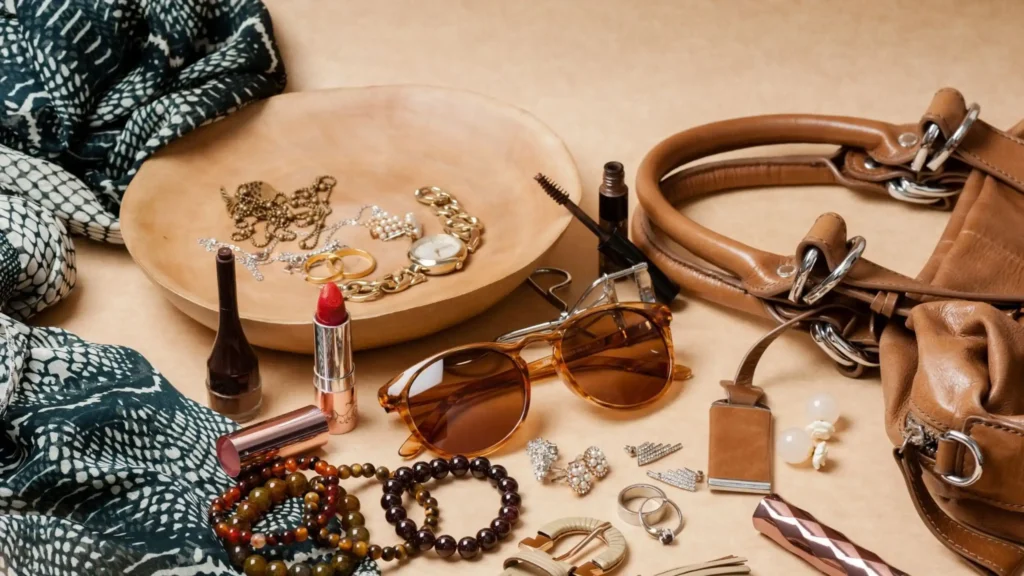
Guangzhou’s fashion district has the densest concentration of accessory manufacturers in the world. Labor costs for assembly remain low relative to the design complexity. Fashion accessories are also very lightweight, making freight costs minimal per unit.
Margins here can be exceptional because perceived retail value is driven by aesthetics, not raw materials. A $1.50 bracelet can sell for $15 to $25 online with the right photography and branding.
| Cost Component | Fashion Bracelet | Sunglasses | Woven Belt |
|---|---|---|---|
| FOB Price | $0.80 | $2.00 | $1.50 |
| Sea Freight (per unit) | $0.08 | $0.20 | $0.15 |
| Import Duty (avg. 8%) | $0.07 | $0.18 | $0.13 |
| Misc/Customs (per unit) | $0.05 | $0.05 | $0.05 |
| Landed Cost | $1.00 | $2.43 | $1.83 |
| Avg. Retail Price | $8–$25 | $15–$40 | $12–$30 |
| Estimated Margin | 300–500% | 200–400% | 200–350% |
Import note: Avoid any design that resembles a branded item. IP enforcement is active at US and EU customs, and listings get pulled from platforms like Amazon with little warning.
5. Pet Supplies (Toys, Collars, Feeders, Grooming Tools)

The global pet care market was valued at over $246 billion in 2023, according to Grand View Research, and it continues to grow. China dominates the manufacturing of pet accessories because the materials — nylon, rubber, ABS plastic — are produced domestically in large volumes.
Pet supplies are a strong category for resellers because repeat purchases are high. A pet owner who buys a collar often returns for a matching leash, a toy, or a feeder.
| Cost Component | Nylon Dog Collar | Interactive Cat Toy | Automatic Pet Feeder |
|---|---|---|---|
| FOB Price | $1.00 | $1.50 | $5.00 |
| Sea Freight (per unit) | $0.12 | $0.15 | $0.50 |
| Import Duty (avg. 3%) | $0.04 | $0.05 | $0.17 |
| Misc/Customs (per unit) | $0.05 | $0.05 | $0.05 |
| Landed Cost | $1.21 | $1.75 | $5.72 |
| Avg. Retail Price | $8–$20 | $10–$22 | $25–$55 |
| Estimated Margin | 250–400% | 200–350% | 150–300% |
Import note: Stick to non-edible accessories. Pet food and treats face strict FDA (US) and CFIA (Canada) regulations that make importing very difficult without an established compliance process.
You might also like to read: Top 8 Fast Selling Products to Import from China in 2026
6. Beauty and Skincare Tools (Jade Rollers, Gua Sha, LED Face Masks)

Many beauty tools use simple ABS or stainless parts assembled cheaply in China, but they carry high perceived retail value because of branding and aesthetics.
A jade roller that costs $3 to source can retail for $25 to $45 online because consumers associate it with wellness and self-care.
| Cost Component | Jade Roller | Gua Sha Stone Set | Derma Roller |
|---|---|---|---|
| FOB Price | $2.50 | $1.80 | $1.50 |
| Sea Freight (per unit) | $0.20 | $0.15 | $0.12 |
| Import Duty (avg. 4%) | $0.11 | $0.08 | $0.06 |
| Misc/Customs (per unit) | $0.05 | $0.05 | $0.05 |
| Landed Cost | $2.86 | $2.08 | $1.73 |
| Avg. Retail Price | $18–$45 | $15–$35 | $12–$30 |
| Estimated Margin | 250–500% | 250–450% | 250–450% |
Import note: RF or laser-based beauty devices require FDA clearance in the US before you can legally sell them. Stick to mechanical tools (rollers, gua sha, derma rollers) if you want to avoid the clearance process.
7. Stationery and Office Supplies (Pens, Notebooks, Desk Organizers)

Yiwu is the global capital of stationery. The Yiwu International Trade Market alone has thousands of stationery suppliers competing in the same halls. This drives prices to near-commodity levels.
Stationery is also one of the lightest categories to ship, which keeps freight costs tiny.
It is one of the best starting points for first-time importers because compliance requirements are low and products are straightforward to inspect.
| Cost Component | Ballpoint Pens (box of 20) | A5 Notebook | Desk Organizer |
|---|---|---|---|
| FOB Price | $0.50 | $0.90 | $2.00 |
| Sea Freight (per unit) | $0.08 | $0.12 | $0.25 |
| Import Duty (avg. 2%) | $0.01 | $0.02 | $0.04 |
| Misc/Customs (per unit) | $0.05 | $0.05 | $0.05 |
| Landed Cost | $0.64 | $1.09 | $2.34 |
| Avg. Retail Price | $4–$8 | $6–$12 | $12–$25 |
| Estimated Margin | 200–350% | 200–400% | 180–300% |
Import note: Very low compliance burden in most markets. No special certifications required for non-electronic stationery. Ideal for resellers who want to test importing before committing to higher-risk categories.
8. Reusable and Eco-Friendly Products (Bags, Bamboo Items, Water Bottles)
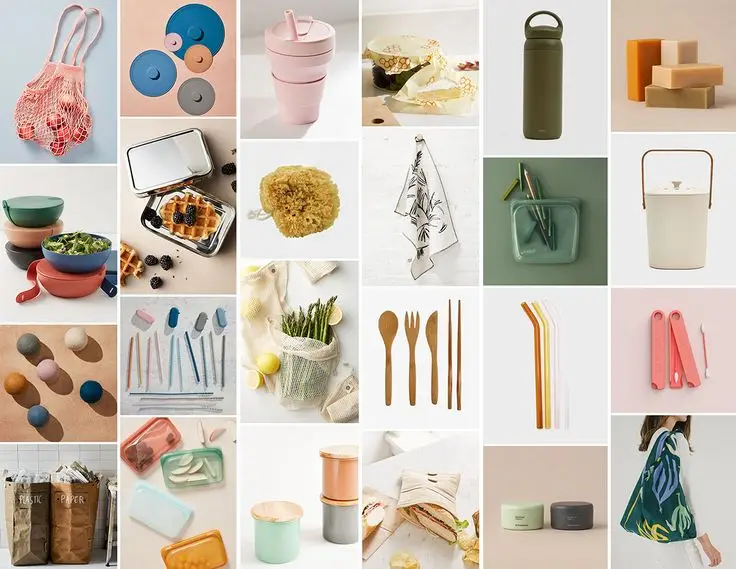
Bamboo and recycled materials are domestically abundant in China. Manufacturing clusters for eco products exist primarily in Zhejiang and Fujian.
Consumer demand for sustainable products has been growing steadily, with Nielsen research showing that over 60% of consumers say sustainability influences their buying decisions.
| Cost Component | Bamboo Toothbrush (4-pack) | Reusable Tote Bag | Stainless Water Bottle |
|---|---|---|---|
| FOB Price | $1.20 | $0.80 | $3.50 |
| Sea Freight (per unit) | $0.15 | $0.10 | $0.35 |
| Import Duty (avg. 4%) | $0.05 | $0.04 | $0.15 |
| Misc/Customs (per unit) | $0.05 | $0.05 | $0.05 |
| Landed Cost | $1.45 | $0.99 | $4.05 |
| Avg. Retail Price | $8–$16 | $6–$15 | $18–$40 |
| Estimated Margin | 200–400% | 200–400% | 150–300% |
Import note: “Eco” or “sustainable” claims without supporting certifications can cause issues in EU markets under the EU Green Claims Directive. Verify material certifications with suppliers before making marketing claims.
9. Seasonal and Holiday Décor (Christmas, Party, Event Supplies)

Yiwu’s market has an entire district dedicated to seasonal decorations. The competition among thousands of suppliers in the same building keeps prices extremely low.
Seasonal products can deliver strong returns when bought early enough to ship by sea.
| Cost Component | Christmas Ornament Set | Party Balloon Pack | Fairy Light Garland |
|---|---|---|---|
| FOB Price | $1.50 | $0.60 | $2.00 |
| Sea Freight (per unit) | $0.25 | $0.08 | $0.20 |
| Import Duty (avg. 3%) | $0.05 | $0.02 | $0.07 |
| Misc/Customs (per unit) | $0.05 | $0.05 | $0.05 |
| Landed Cost | $1.85 | $0.75 | $2.32 |
| Avg. Retail Price | $10–$25 | $4–$10 | $12–$28 |
| Estimated Margin | 200–350% | 200–400% | 200–400% |
Import note: Order 3 to 4 months before peak season. Sea freight from China takes 20 to 45 days depending on destination, and port congestion around the holidays can add delays. Missing the season can leave you holding stock for 12 months.
10. Fitness and Yoga Accessories (Resistance Bands, Jump Ropes, Yoga Mats)
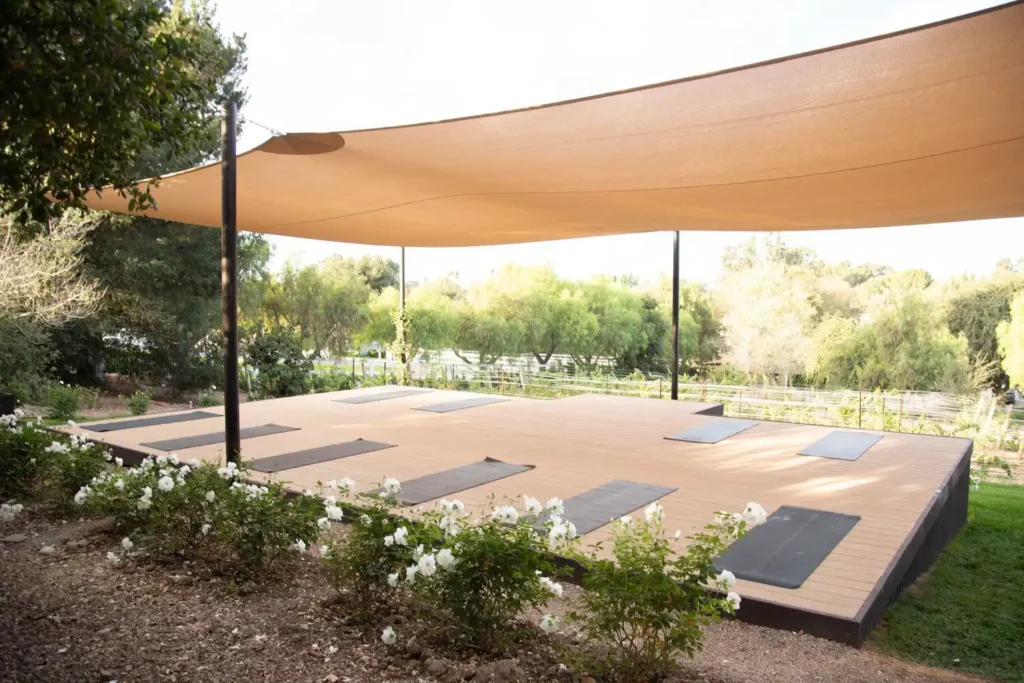
Rubber and foam raw materials are abundant domestically in China. Factory competition in Shandong and Guangdong keeps prices low.
Fitness accessories saw a major surge after 2020, and demand has remained elevated, with home gym equipment now a standard category on most reselling platforms.
| Cost Component | Resistance Band Set (5 bands) | Jump Rope | Yoga Mat (6mm) |
|---|---|---|---|
| FOB Price | $2.50 | $1.00 | $4.50 |
| Sea Freight (per unit) | $0.20 | $0.12 | $0.80 |
| Import Duty (avg. 5%) | $0.14 | $0.06 | $0.27 |
| Misc/Customs (per unit) | $0.05 | $0.05 | $0.05 |
| Landed Cost | $2.89 | $1.23 | $5.62 |
| Avg. Retail Price | $15–$30 | $8–$18 | $20–$45 |
| Estimated Margin | 200–350% | 200–400% | 150–300% |
Import note: Yoga mats are bulky relative to their weight. Watch the volumetric weight calculation when shipping by air, as you will be charged based on size, not actual weight. Sea freight is almost always the right choice for mats.
11. Home Organization and Storage Solutions
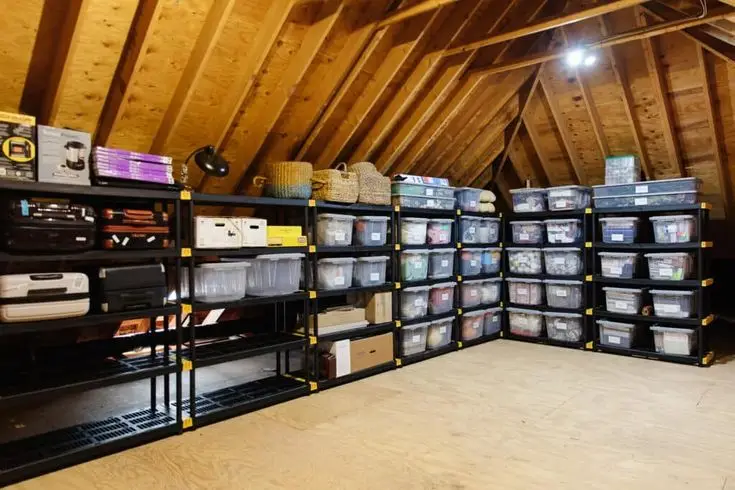
Plastic injection molding capacity in China is the largest in the world. Factories in Zhejiang and Jiangsu produce storage products at near-commodity pricing.
Home organization is a year-round category with consistent demand, particularly strong in January (New Year decluttering) and August to September (back-to-school and college move-ins).
| Cost Component | Stackable Storage Box | Drawer Organizer Set | Closet Hanging Organizer |
|---|---|---|---|
| FOB Price | $2.00 | $1.80 | $1.50 |
| Sea Freight (per unit) | $0.50 | $0.30 | $0.25 |
| Import Duty (avg. 4%) | $0.10 | $0.08 | $0.07 |
| Misc/Customs (per unit) | $0.05 | $0.05 | $0.05 |
| Landed Cost | $2.65 | $2.23 | $1.87 |
| Avg. Retail Price | $12–$28 | $10–$22 | $10–$20 |
| Estimated Margin | 150–300% | 150–300% | 180–300% |
Import note: Low compliance requirements in most markets. Larger items can have high volumetric weight charges, so calculate sea freight carefully before ordering large storage bins.
You might also like to read: Most Profitable Items to Import from China to India with Margins
12. Smart Home Accessories (Smart Plugs, Sensors, Bulbs)
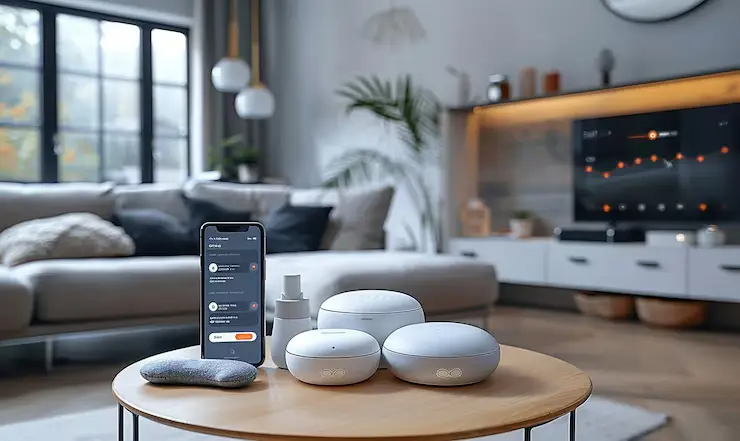
Shenzhen and Dongguan have a deeply integrated electronics supply chain. Most components in a smart plug or Wi-Fi sensor are manufactured within 100 km of the final assembly facility. The result is a product that looks high-tech to consumers but is relatively inexpensive to produce.
You can source these on Alibaba from factories that already hold CE and FCC certifications, which saves you the compliance work.
| Cost Component | Smart Plug (Wi-Fi) | Motion Sensor | Smart LED Bulb |
|---|---|---|---|
| FOB Price | $3.50 | $4.00 | $3.00 |
| Sea Freight (per unit) | $0.30 | $0.25 | $0.25 |
| Import Duty (avg. 5%) | $0.19 | $0.21 | $0.16 |
| Misc/Customs (per unit) | $0.05 | $0.05 | $0.05 |
| Landed Cost | $4.04 | $4.51 | $3.46 |
| Avg. Retail Price | $18–$35 | $20–$40 | $15–$30 |
| Estimated Margin | 150–300% | 150–300% | 150–300% |
Import note: Smart products using Wi-Fi or RF must comply with FCC Part 15 in the US and the CE Radio Equipment Directive in the EU. Always source pre-certified products unless you plan to fund the testing yourself.
Which Cheap Products are Actually Risky to Import?
Not every cheap product stays cheap once it lands. Some categories look great on paper but come with hidden costs that can eat your margin entirely.
Battery-powered electronics at scale face air freight restrictions under UN38.3 regulations. Sea freight is safer but slower, and some carriers refuse lithium batteries entirely. Always check your freight forwarder’s policies before sourcing.
Children’s toys and products face the highest compliance burden of any consumer category. CPSIA testing in the US and EN71 testing in the EU can cost $500 to $2,000 per SKU before you sell a single unit. If your margins are tight, testing costs can wipe them out entirely.
Branded replicas are not worth the risk. IP enforcement at US and EU customs is active, and Amazon’s brand registry will de-list your product without warning. Any savings on the factory price disappear when you face a customs seizure or legal notice.
Heavy or bulky items like furniture and large appliances have freight costs that can exceed the product value itself. Always calculate volumetric weight, not just actual weight, before committing to a sea freight rate.
You might also find our article on lightweight goods to import from China useful here.
How to Source Cheap Products from China: Where to Find Them
The most reliable ways to find cheap products from China are Alibaba and 1688 for online sourcing, the Yiwu International Trade Market for direct factory contact, and the Canton Fair for discovering new products before they are widely listed online.
Alibaba vs 1688:
Alibaba is the international B2B platform with English-language listings and built-in trade assurance. It is a good starting point for most importers.
1688 is Alibaba’s domestic Chinese platform and typically has prices 20 to 40% lower, but everything is in Chinese, and most suppliers only accept domestic payment methods, so you usually need a sourcing agent to use it effectively.
You can read more about this in our guide on the cheapest sourcing platforms in 2026.
Canton Fair:
Held twice yearly in Guangzhou, China, the Canton Fair is the best place to see new products, compare multiple suppliers in one place, and negotiate face-to-face. It is particularly useful if you are sourcing a new category for the first time.
Sourcing Agents:
For businesses that want factory-direct prices without travelling to China, a sourcing agent provides on-the-ground access to suppliers, handles quality checks, and consolidates shipments.
This is especially valuable for accessing 1688 pricing or sourcing from Yiwu’s trade market without speaking Mandarin.
If you are also considering sourcing for a specific market, you might find these guides helpful: Best Products to Import from China to South Africa or Profitable Items to Import from China to Kenya.
How Change Sourcing Helps You Source Cheap Products From China?
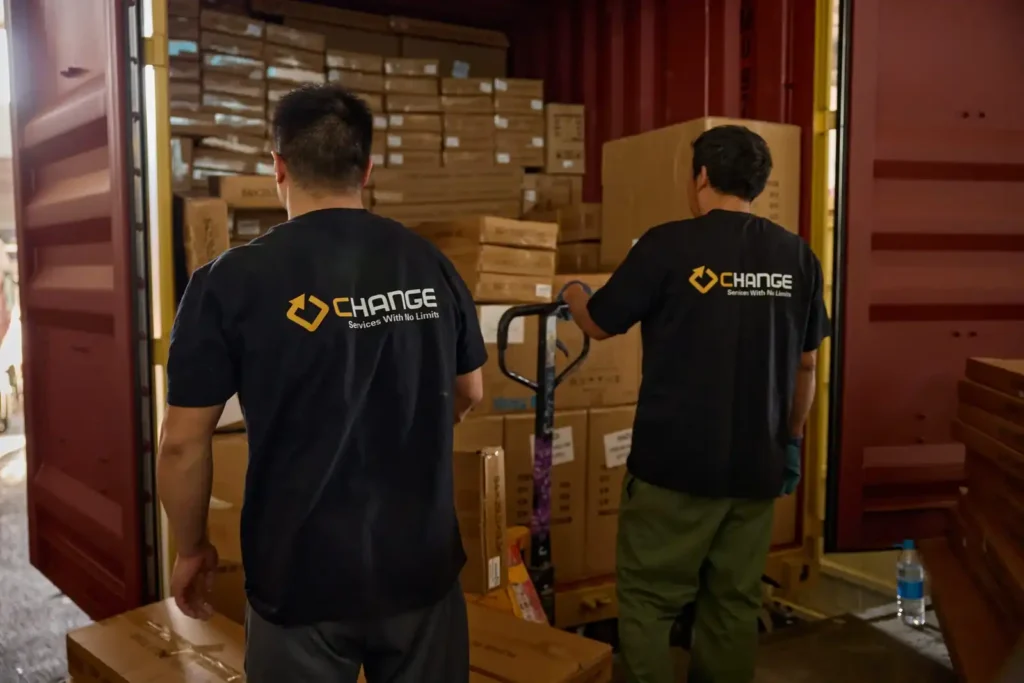
With offices in Yiwu (the world’s largest small commodities market) and Guangzhou (the global hub for fashion, electronics, and home goods), Change Sourcing works directly with manufacturers, not trading companies, to get real factory pricing.
The team handles everything from supplier identification and price negotiation to sample coordination, quality inspection, and logistics.
That means you get the low factory price without having to travel, speak Mandarin, or figure out how to use 1688.
And because every product is inspected before it ships, you are not discovering quality issues after the container arrives.
If you are just starting out or scaling up, a free consultation with the Change Sourcing team is a good first step. Get in touch here.
Frequently Asked Questions

Stationery items like pens and small accessories from Yiwu are among the lowest-priced products to import, with FOB costs as low as $0.03 to $0.50 per unit. Fashion accessories, phone cases, and small kitchen tools also fall in the lowest cost range while offering strong retail margins.
Beauty tools, fashion accessories, and pet supplies typically offer the highest margins — often 300% to 500% — because they have low FOB prices and high perceived retail value. Phone accessories and seasonal décor also perform well in this regard.
Yes, but profitability now requires calculating landed cost accurately, not just the factory price. For US importers, the suspension of the de minimis exemption in 2025 changed the math for small shipments under $800, meaning all imports now face standard customs processing. Sea freight and low-duty product categories remain the safest bets for maintaining margins.
You can source through Alibaba for international-facing suppliers, or use a sourcing agent to access 1688 and Yiwu factory pricing domestically. A sourcing agent also handles quality control and shipping coordination, so you get factory-direct pricing without being on the ground.
Avoid heavy or bulky goods where freight costs erode margins, children’s products that require extensive lab testing, battery-heavy electronics with complex shipping restrictions, and any item with active IP or trademark protection in your target market.
Final Thoughts
Cheap products from China exist across almost every consumer category. The ones that actually stay cheap once landed are lightweight, low-duty, and easy to certify.
The ones that disappoint are usually products where the factory price looked great, but freight, testing, or tariffs changed the math completely.
The key habit to build before placing any order is calculating your full landed cost upfront. Factory price plus freight plus duty plus customs fees equals your real cost. That number, compared to your target retail price, tells you whether the product is worth importing or not.
If you want help identifying the right products for your market, verifying suppliers, and getting factory-direct pricing with quality inspection included, reach out to Change Sourcing for a free consultation.