

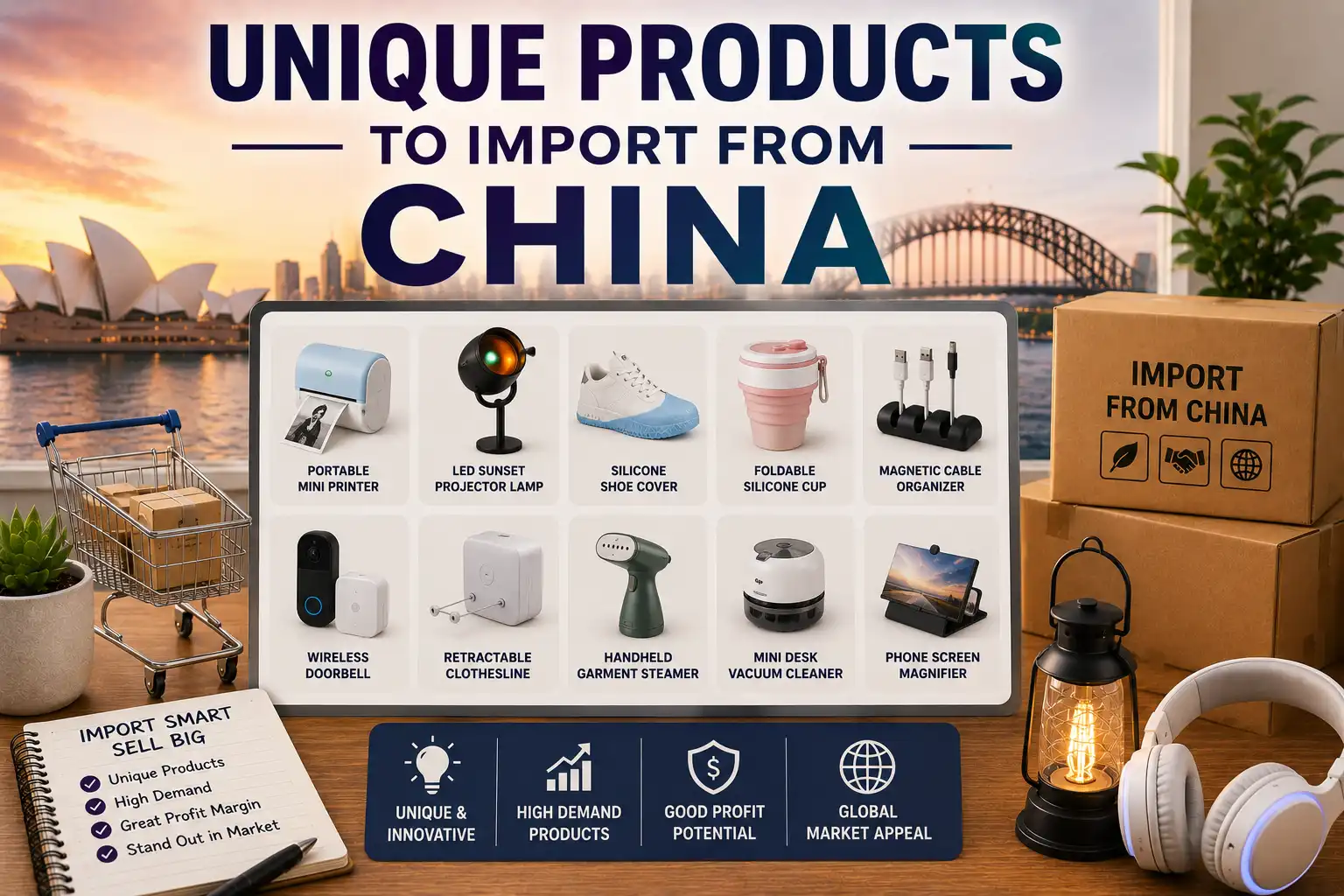
Most “import from China” product lists look the same. Phone cases, resistance bands, and LED strips. The same items are recycled across hundreds of blogs. If you have been searching for something different, you are in the right place.
The most unique products to import from China in 2026 include AI-powered personal gadgets, eco-friendly bamboo homewares, novelty seasonal decor, custom pet accessories, posture correction wearables, portable solar tech, and LED sensory lighting. These are categories where Chinese manufacturers have a real edge, and Western markets are still under-supplied.
This guide breaks down each category with market data, MOQ guidance, and sourcing tips so you can move fast and move smart.
What Makes a Product “Unique” to Import from China?

A product is unique to import when it has real demand in your target market but low seller competition. This can happen because it is hard to source locally, requires specialist manufacturing, or is early in its trend cycle.
Think of it like the coffee shop business. When Starbucks opened in a new city in the 2000s, first movers made strong margins. By the time every corner had one, profits shrank. Importing works the same way. The earlier you find a category with demand and low supply, the better your position.
The Saturation Test
Before sourcing anything, run a quick check: search the product on Alibaba and Amazon. If you see thousands of listings from dozens of suppliers, the product is saturated.
Unique products typically have fewer than 20 established sellers on Amazon with less than 500 reviews on the top listing.
The China-Only Advantage
Some products can only be made cost-effectively in China. This includes items that need specific raw materials, tooling, or labor skills concentrated in certain provinces.
Bamboo goods from Fujian, novelty giftware from Yiwu, and electronics from Shenzhen all fall into this category.
MOQ Accessibility
Unique products often carry lower minimum order quantities (MOQs) because fewer factories produce them. That means less upfront risk.
In many niche categories, you can start with 50 to 200 units. This is very different from mass-market goods, where factories routinely demand 1,000+ units before negotiating.
The 2026 Import Environment
The US eliminated the de minimis exemption for low-value China-origin shipments in 2025, meaning small parcels no longer enter duty-free.
This has pushed serious importers toward higher-margin, differentiated products where duties are offset by strong retail pricing. Unique products are not just better for your brand. In 2026, they are better for your margins.
Quick Reference: 10 Unique Products to Import from China in 2026
| Product Category | MOQ Range | Margin Potential | Key Certification |
| AI Personal Gadgets | 100-300 units | High | CE / FCC |
| Posture Wearables | 100-200 units | High | CE |
| Bamboo Homewares | 100-500 units | Medium-High | LFGB / FDA |
| Novelty Seasonal Decor | 50-200 units | Medium-High | CE |
| Portable Solar Products | 100-300 units | High | CCC / UL |
| Custom Pet Accessories | 50-200 units | High | ASTM |
| LED Sensory Lighting | 100-300 units | Medium-High | CE |
| Home Office Accessories | 100-500 units | Medium | SGS / TUV |
| Beauty Wellness Devices | 100-200 units | High | CE / FDA |
| STEM / Educational Toys | 100-500 units | High | EN71 / ASTM |
What are the Most Unique Products to Import from China Right Now?
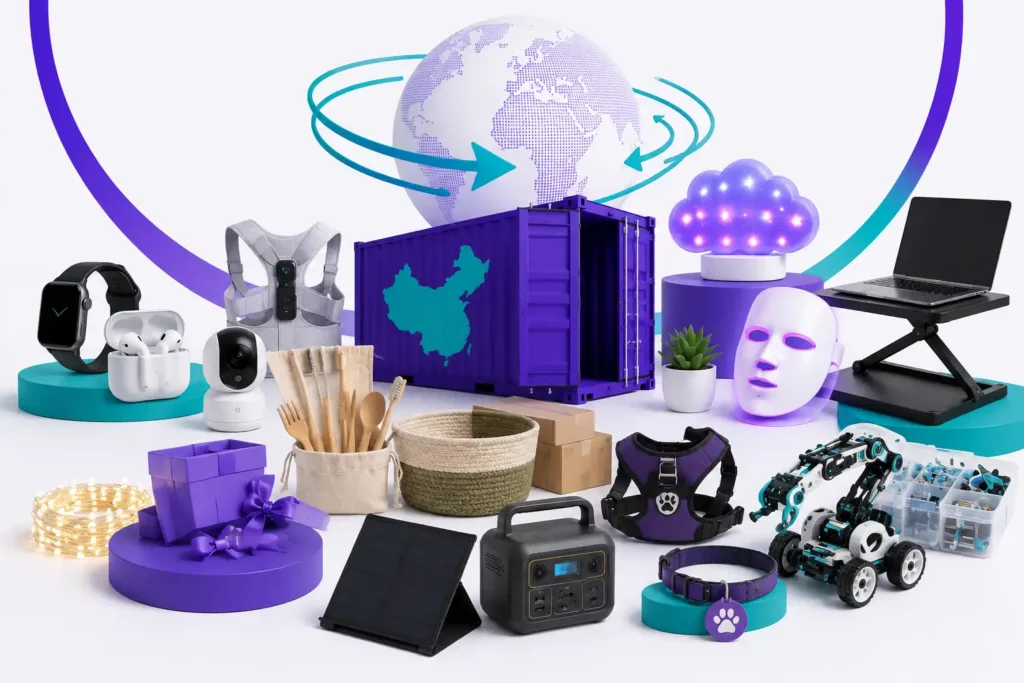
The 10 categories below are selected based on market trend data, low SERP competition, and China’s manufacturing strengths in each niche.
Each entry includes demand signals, margin context, and what to prioritize when vetting suppliers.
1. AI-Powered Personal Gadgets
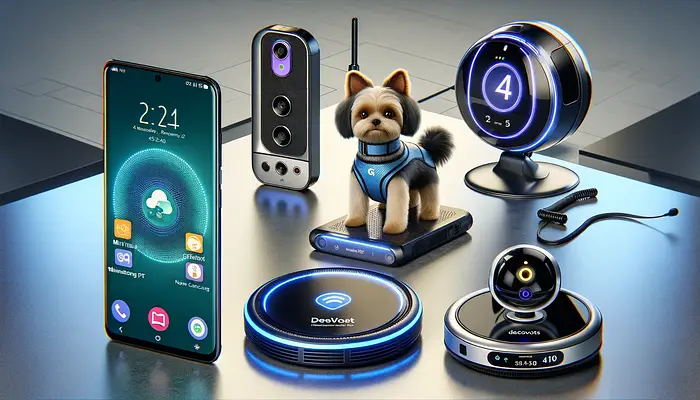
AI translation earbuds, smart voice notebooks, and AI skin analyzers are being manufactured in China faster than Western brands can market them.
Low Western brand awareness in this space means low competition on Amazon for most sub-categories.
These products benefit from the booming wearable tech sector. According to Grand View Research, the global wearable technology market was valued at USD 92.90 billion in 2025 and is projected to reach USD 229.97 billion by 2033 at a CAGR of 12.1%. AI gadgets sit at the front of that wave.
Look for CE or FCC certification before placing an order. Factories in Shenzhen that specialize in AI peripherals are the best starting point.
Important Note: Avoid generalist electronics factories for this category, as component quality varies significantly.
2. Posture Correction Wearables
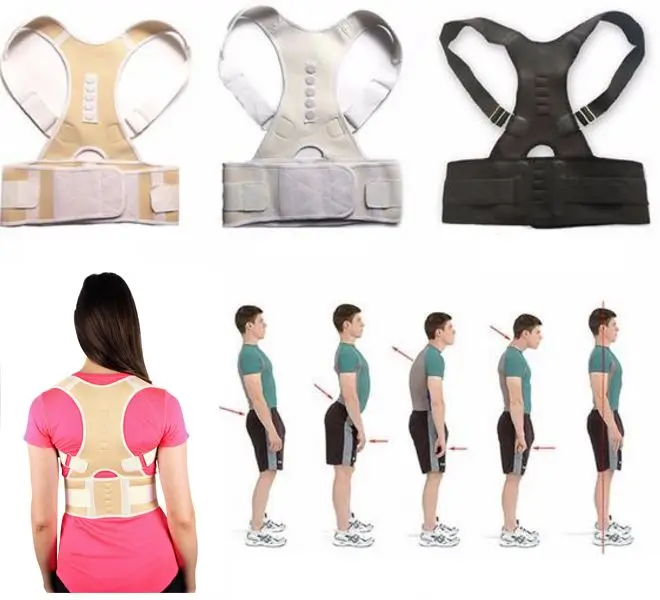
Lightweight back and shoulder posture trainers with vibration feedback are one of the most overlooked import opportunities right now. The device category is specific enough to avoid general wearable competition but broad enough to sell across health, fitness, and office-worker markets.
The smart wearable market is growing at a strong pace, with the Fortune Business Insights report placing the wearable technology market at USD 96.44 billion in 2026.
Posture-specific devices occupy a niche within this growth that most sellers have not tapped yet.
MOQs for posture wearables typically start at 100 to 200 units, making it accessible for first-time importers. Look for factories that provide compliance test reports, not just verbal assurances.
The physical product is simple, but the regulatory documentation is what protects your business when selling on Amazon or Shopify.
3. Eco-Friendly Bamboo and Natural Fiber Homewares
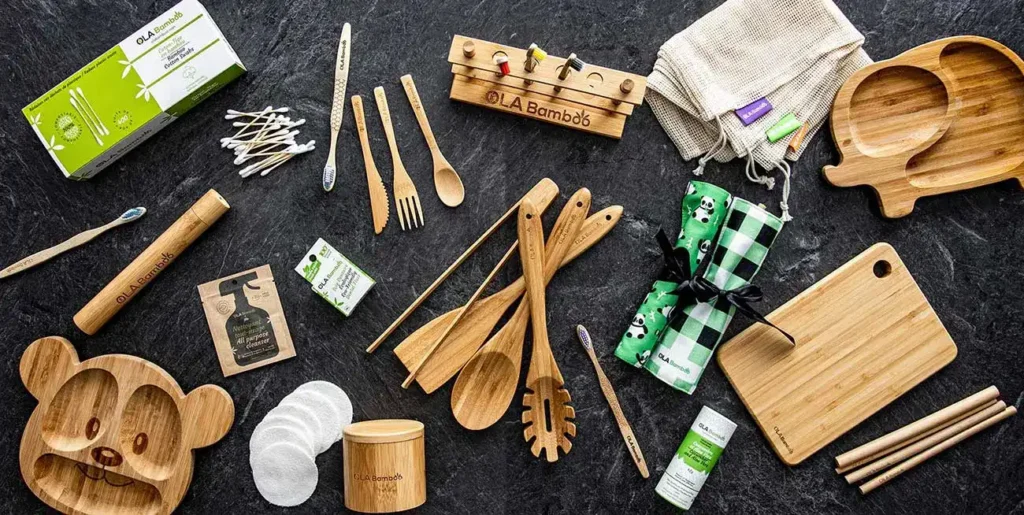
Bamboo cutlery sets, natural fiber storage baskets, and compostable kitchen tools are in high demand across the US, UK, and Australia. Western buyers perceive bamboo goods as premium, but Chinese manufacturing costs are low. That gap is where your margin lives.
The sustainability trend is not slowing down. Bamboo grows at a rate of up to 91 cm per day and requires no fertilizer or irrigation, making it one of the most genuinely eco-friendly materials in manufacturing. Buyers who care about this will pay more for it.
These products are ideal for Shopify or DTC brands targeting sustainability-conscious consumers. Branding and packaging matter a lot in this category.
Factories in Fujian and Zhejiang provinces specialize in bamboo goods and can accommodate custom printing and packaging at relatively low MOQs.
4. Novelty and Seasonal Decor (The Yiwu Niche)

Festival lighting, themed tableware, custom keepsake packaging, and novelty giftware are categories that generate strong seasonal sales. What makes this unique is the sourcing edge.
Yiwu International Trade City in Zhejiang province is the world’s largest small commodities market. It spans over 4 million square meters and houses more than 75,000 booths. Most of what you find here never makes it onto Alibaba because the buyers who discover it are already on the ground.
The real advantage of sourcing novelty decor from Yiwu is that you can mix SKUs across small orders. Instead of committing to 1,000 units of one item, you can test 10 different products in one shipment. That flexibility is how you find winners without big upfront losses.
5. Portable Solar and Off-Grid Power Products
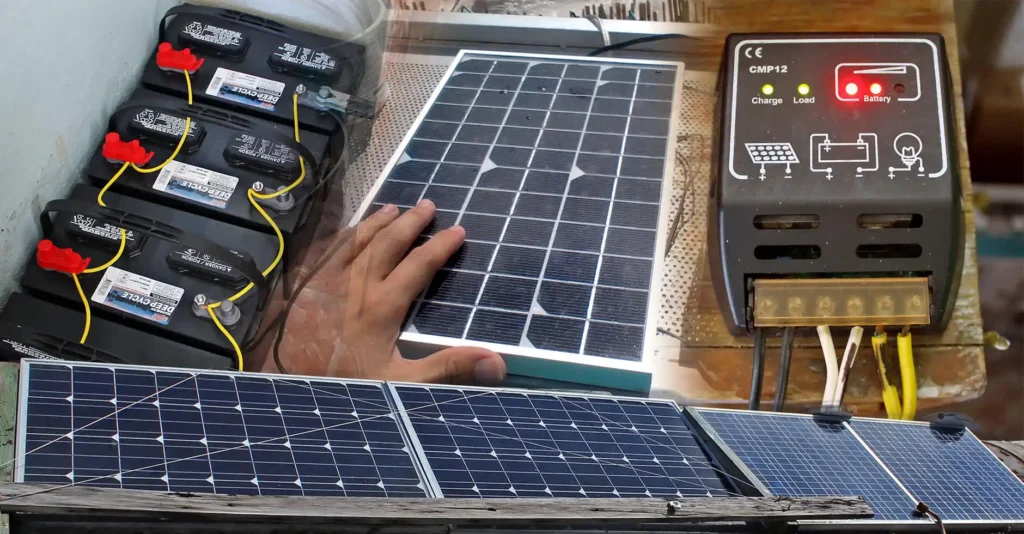
Foldable solar chargers, portable power stations, and solar-integrated camping gear are growing fast. This category benefits from real tailwinds: power outage anxiety, outdoor recreation growth, and rising electricity costs in Western markets.
The camping power bank market alone is expected to grow from USD 656.3 million in 2026 to USD 1.8 billion by 2034, representing a 12.5% CAGR, according to Alibaba seller research.
Portable solar generators lead all sub-categories in demand growth and opportunity ratio.
One critical note for 2026: China introduced mandatory CCC certification for power banks effective March 1, 2026. This requirement is a compliance burden for sellers who ignore it, but it is a competitive advantage for importers who get it right. It filters out most low-quality competition.
6. Custom Pet Accessories
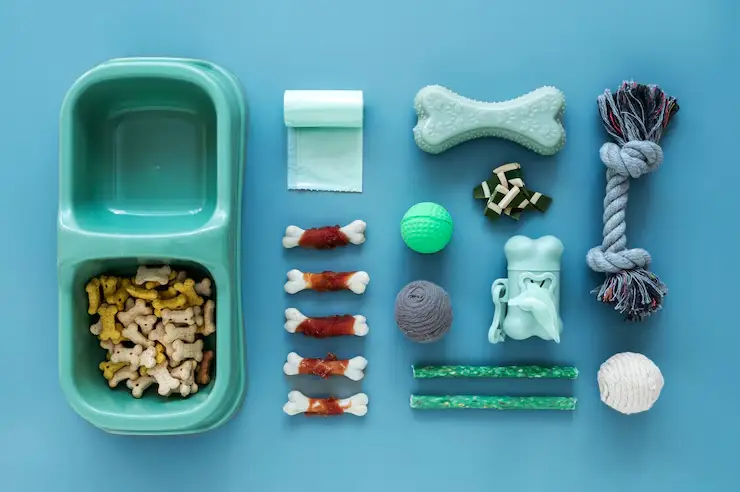
Personalized pet ID tags, custom embroidered harnesses, and novelty pet apparel are where the pet industry’s growth meets import differentiation. Standard pet beds and generic toys are completely saturated. Personalized and breed-specific products are not.
The global pet care market was valued at USD 261.4 billion in 2025 and is projected to reach USD 394 billion by 2031 at a CAGR of 7.1%, according to Mordor Intelligence.
Younger buyers, especially Gen Z, drive premium spending in this category and respond strongly to personalization.
What makes this import-friendly is the emotional buying trigger. Pet owners make decisions based on how a product makes them feel about their pet, not just price.
That psychology supports stronger margins. A custom embroidered harness with a dog’s name on it commands a very different price than a generic harness from the same factory.
7. LED Sensory and Mood Lighting
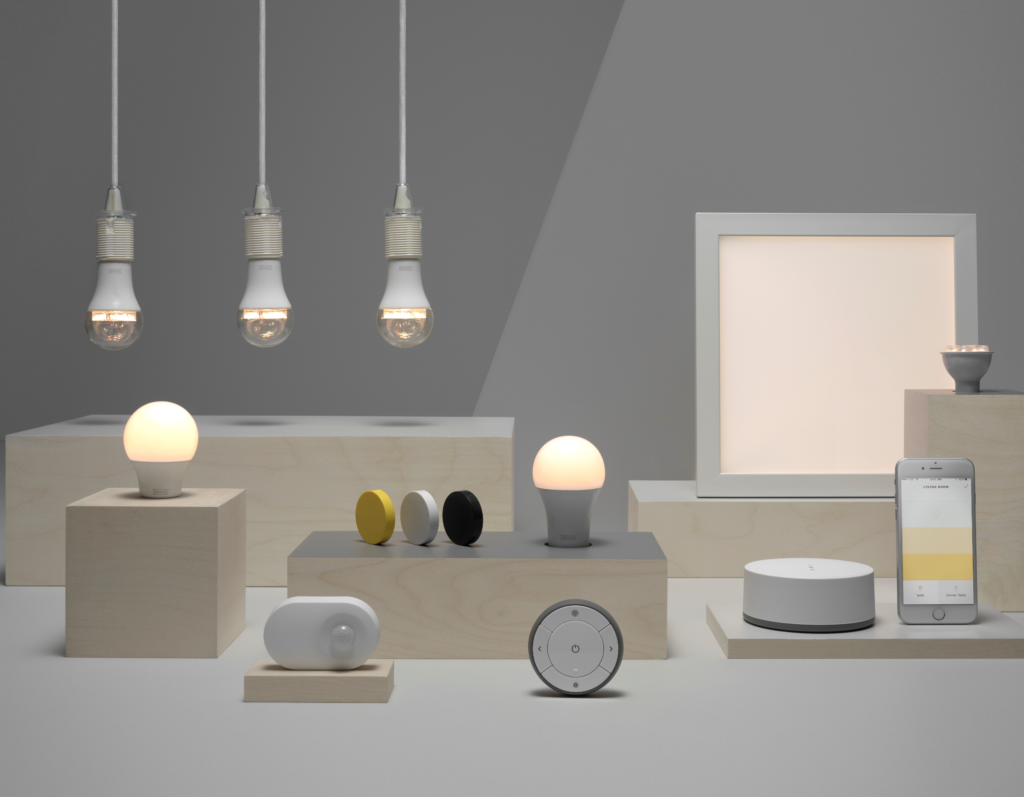
Aesthetic LED cloud lights, galaxy projectors, and sensory room kits are distinct from the saturated LED strip category. These products have strong visual appeal and are highly shareable on social media, which drives organic discovery without heavy advertising spend.
These lights are lightweight, which keeps shipping costs low. They also have a naturally visual product page on Amazon and Shopify, meaning a good set of photos does a lot of the selling work.
The sensory lighting sub-category also serves therapy rooms, children's bedrooms, and gaming setups, giving you multiple target audiences with one product.
China’s factories in Guangdong produce nearly all of the LED components used globally. When sourcing, look for suppliers who can provide CE certification and have experience with export packaging. Drop-shipping viability and FBA-readiness are worth confirming before finalizing an order.
8. Ergonomic Home Office Accessories
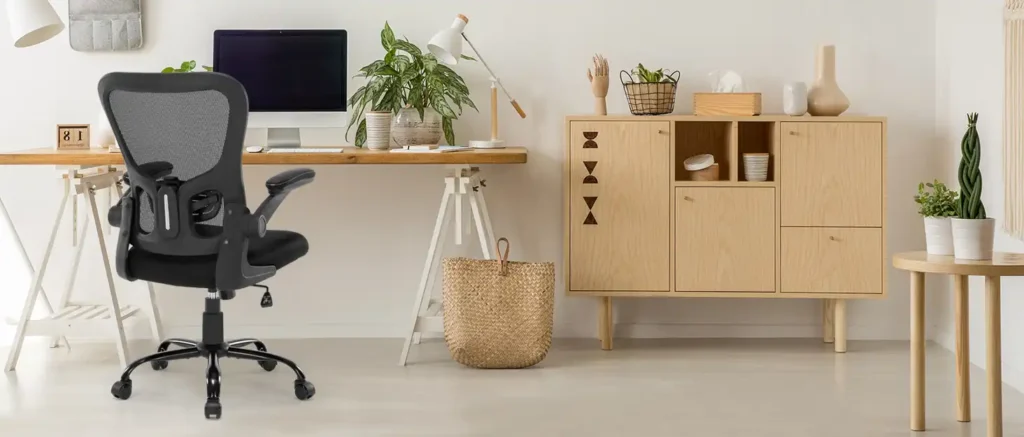
Adjustable laptop risers, cable management kits, wrist-rest sets, and monitor arms have become permanent fixtures in the post-pandemic home. Remote work is no longer a temporary arrangement for a significant portion of the global workforce, and home office setups continue to be upgraded.
Chinese factories produce these at a fraction of Western retail prices. A monitor arm that retails for USD 60 to USD 90 on Amazon can be sourced from a Guangdong factory for USD 8 to USD 15.
The margin math is strong, and the bundle-selling opportunity is even better. A "desk setup kit" combining a riser, cable box, and wrist rest is a natural bundle that increases average order value.
This category has year-round demand rather than seasonal spikes, which makes inventory management simpler for first-time importers.
CHANGE Sourcing Tip: Look for suppliers who carry SGS or TUV test reports for ergonomic compliance, especially if targeting European markets.
9. Beauty and Wellness Devices (Certified)
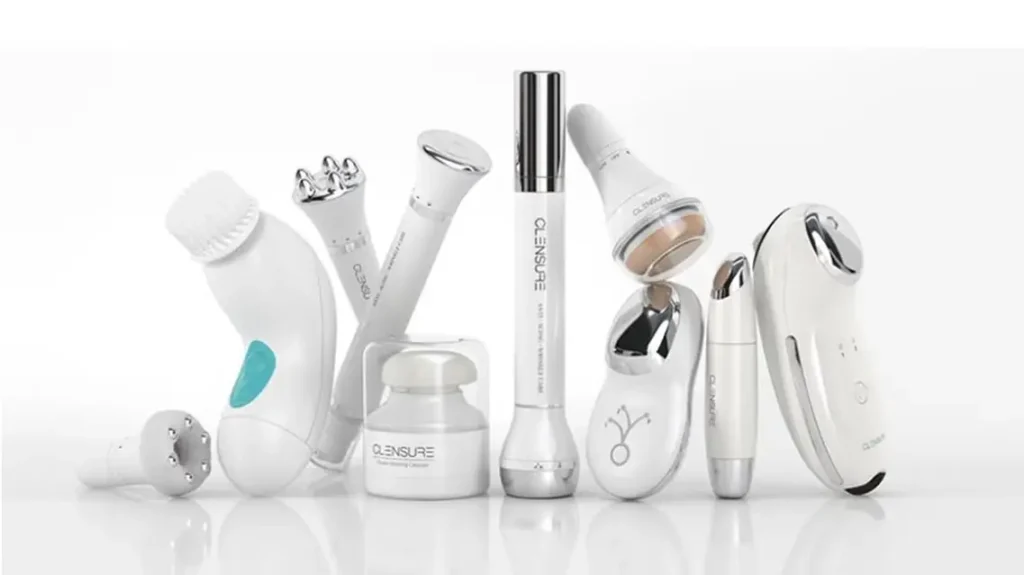
Microcurrent face lifters, LED therapy masks, and ultrasonic scalp massagers are high-margin products with loyal repeat buyers. The key differentiator is the word “certified.” Most beauty device factories in China produce versions with and without CE or FDA documentation.
Importers who only buy from factories providing full compliance test reports, not just summaries, automatically filter out most of the competition.
The devices themselves may look identical. The documentation is what allows you to sell on Amazon without suspension risk and pass customs checks in the EU and UK.
These tools are lightweight and compact, which keeps air freight costs low and makes them practical for rapid restocking. Beauty tech buyers also tend to leave detailed reviews, which builds your listing’s credibility faster than most categories.
10. Educational and STEM Toys

Robotics kits for children, science experiment sets, and coding toys carry a price premium that generic toys do not. The “educational” label changes buyer psychology and supports higher retail prices.
A robotics kit that teaches kids to code can sell for USD 40 to USD 80, even when the sourcing cost is USD 8 to USD 12.
The toy industry experiences strong seasonal demand in Q4, but STEM toys also sell steadily throughout the school year. Look for EN71 certification for European markets and ASTM F963 for the US market.
These certifications are non-negotiable for selling on major platforms and should be requested as full test reports, not certificates alone.
Avoid factories that produce STEM toys alongside unrelated product lines. A factory that specializes in educational toys will have better component quality control and more experience with export compliance documentation.
How Do You Find Unique Products to Import from China Without Getting Burned?
The fastest route to genuinely unique products is to look where most importers do not. 1688.com is China’s domestic B2B marketplace, built for Chinese buyers rather than international importers. Products appear there 6 to 12 months before they reach Alibaba or Global Sources. That is a meaningful trend lead.
The Canton Fair in Guangzhou and the Yiwu Commodities Fair both dedicate hall space to new products. Walking these floors before placing any order gives you direct access to what factories are pitching before the rest of the market sees it.
The supplier specialization test is one of the most practical filters available. Factories that produce only one product category deliver better quality and more reliable documentation than generalist factories.
If a factory makes 50 different product types, ask yourself who their best customer is and whether you qualify.
Using a sourcing agent who verifies samples on the ground before you commit to MOQ is a separate layer of protection. It sounds like an extra step, but it regularly catches problems that photos and video calls miss entirely.
What is the Minimum Order Quantity for Unique Products from China?
Most unique or niche Chinese products have MOQs between 50 and 500 units. This is significantly lower than mass-market items, where factories often require 1,000 units or more before entering a negotiation.
MOQ is also almost always negotiable. Accepting a slightly higher per-unit price in exchange for a lower minimum order is a standard practice.
Most factories will agree to this, especially for a new customer who shows they are serious about the product and have done their homework.
Mixed-SKU orders are another option that is especially common when sourcing from Yiwu. You can test five to ten different products in a single shipment, spreading your risk without locking into a large bet on any one item. A good sourcing agent can bundle your orders with other clients to negotiate lower MOQs than you could achieve independently.
How CHANGE Sourcing Helps You Import Unique Products from China

Finding unique products is one challenge. Vetting them, inspecting quality, and getting them shipped without surprises is a different challenge entirely. That is where working with an experienced sourcing partner changes the result.
CHANGE Sourcing has over 18 years of sourcing experience with offices in Yiwu and Guangzhou. The Yiwu office provides direct access to the world’s largest small commodities market, which is the sourcing location for novelty giftware, seasonal decor, and niche consumer goods that rarely appear on international B2B platforms.
The service covers the full import chain: supplier verification, factory audits, sample approval, quality inspection during production, logistics, and customs documentation.
For importers who want to source unique products without the risk of discovering problems after a shipment has left the factory, this end-to-end approach removes the biggest failure points.
CHANGE Sourcing has served over 1,500 clients across multiple markets. The focus is on building long-term sourcing relationships rather than one-off orders, which means the suppliers in their network are vetted over time and held to consistent quality standards.
If you are looking to start importing unique products from China or scale an existing operation, a free consultation is available at CHANGE Sourcing.
FAQs: Unique Products to Import from China
Posture correction wearables and AI-integrated personal gadgets offer the best combination of low seller competition, strong consumer demand, and China-exclusive manufacturing in 2026. Both categories are early in their growth cycle on Western platforms, and Chinese factories are already producing advanced versions that most importers have not found yet.
Not necessarily. Unique products often have lower MOQs and less price competition among buyers, which means you can negotiate better factory-direct pricing than you could for saturated categories. The higher retail margin you earn more than offsets any slightly higher per-unit sourcing cost.
Request full compliance test reports from your supplier, not just certificate summaries or photos of certificates. For the US market, look for FCC or ASTM standards depending on the product type. For Europe, CE marking with a full declaration of conformity is required. A reputable sourcing agent can help verify this documentation before shipment, so you are not discovering compliance problems after the goods have landed.
Final Thoughts
The importers who do well in 2026 are not chasing the same lists. They are sourcing from niche manufacturing hubs, finding trending products early, and using ground-level access to discover items before the wider market catches on.
Whether you are placing your first import order or scaling an existing business, the right product sourced from the right factory is the foundation everything else builds on.
Ready to find unique products? Get in touch with CHANGE Sourcing for a free consultation on your next import.