

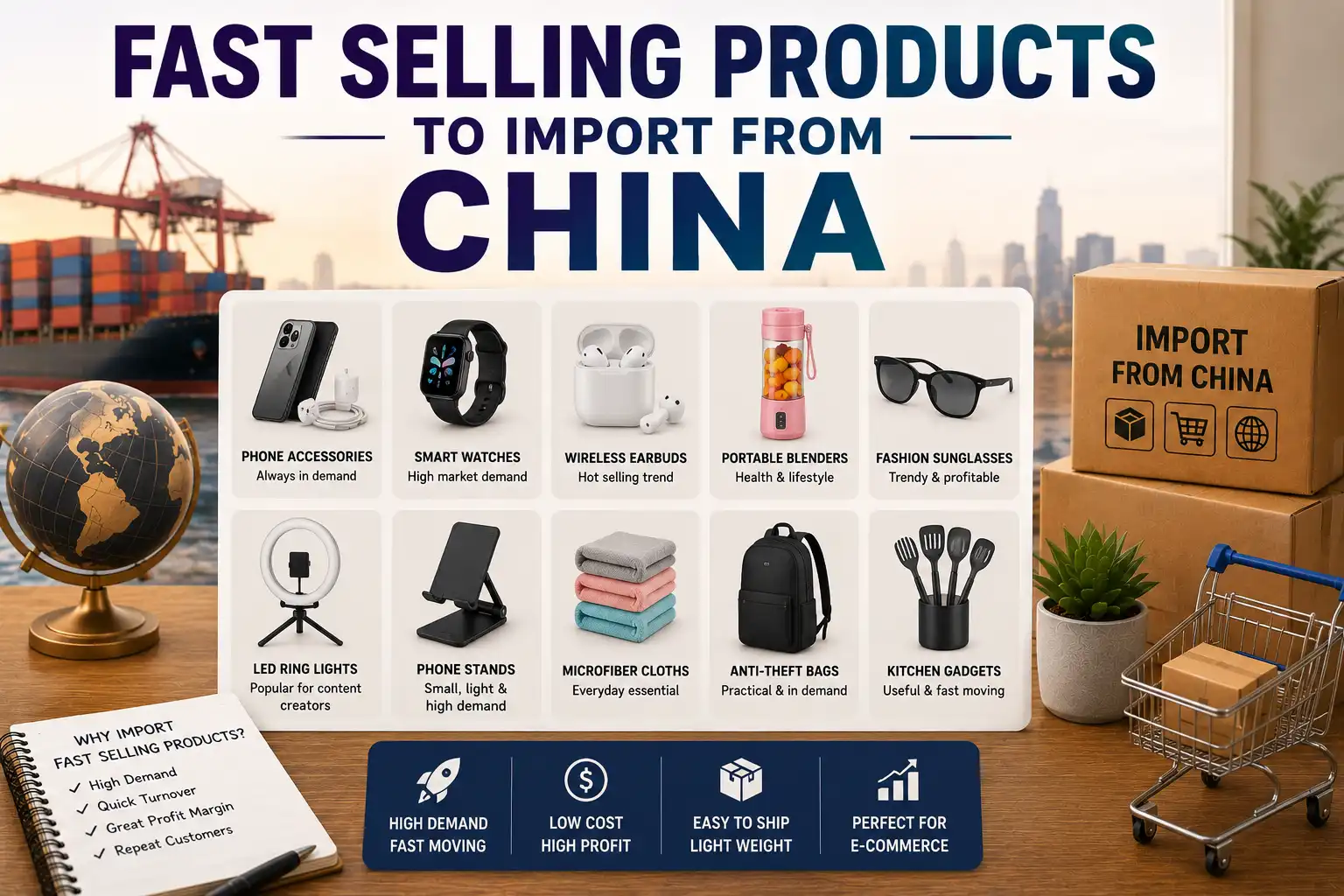
Finding fast selling products to import from China is not just about picking items from a trending list. It is about understanding why certain products move quickly, and making sure yours will too.
China exported $3.77 trillion worth of goods in 2025, and a large chunk of the world’s best-selling consumer products originates from Chinese factories. The opportunity is enormous, but picking the wrong product means slow inventory, tied-up capital, and shrinking margins.
This guide goes beyond the standard product lists. We will cover the exact factors that separate a fast-moving product from a shelf-warmer, give you a curated list of proven fast sellers for 2026, and show you how to validate demand before you place a single order.
What Makes a Product “Fast Selling” from China?

A fast selling product moves off the shelf quickly because it has the right combination of demand, pricing, low friction to buy, and repeat purchase behaviour.
Before looking at any product list, you need to understand these criteria. This is how serious importers evaluate products, not by gut feeling.
Does the product solve an everyday problem people already search for?
Yes, and that is the simplest test. If a product solves a daily frustration that people are already Googling or buying on Amazon, demand is pre-built. You are not creating demand from scratch.
Think wireless earbuds for commuters, or compact storage organisers for small apartments.
Products that answer an obvious pain point have shorter buyer decision cycles. The customer sees the product, recognises the need instantly, and buys. That is what drives fast turnover.
Is it lightweight, low-risk, and easy to ship?
Yes, weight and shipping cost directly affect how fast and profitably you can move a product. Items under 2 kg are ideal for air freight and e-commerce fulfilment. Heavy or fragile items increase landed costs and return rates, both of which slow your business down.
The sweet spot is a product priced between $15 and $60 at retail, with a wholesale cost that gives you at least 3x headroom after all landed costs.
Research from Fit Small Business highlights that products priced between $30 and $70 tend to balance affordability and profitability best for importers reselling online.
Does it have repeat purchase potential?
Products that customers buy once and then reorder (skincare, pet supplies, fitness consumables) have a fundamentally higher sell-through rate than one-time purchases. Repeat buyers do not need to be convinced again. That drives sustained, predictable turnover.
When you import products with built-in reorder cycles, you are essentially building a recurring revenue channel rather than chasing one-time sales endlessly.
Is it trending on social media right now?
Social proof is one of the most powerful accelerants of product velocity today. According to Accio’s 2025 market analysis, consumer behaviour is increasingly driven by social commerce platforms like TikTok, where a single viral video can push a product’s monthly search volume past 100,000 in weeks.
Pimple patches are the clearest example of this. They went from obscure to ubiquitous purely through TikTok's "clean girl" aesthetic trend.
A product that is already trending on social media does not need a marketing budget to start moving. That is a massive advantage for small importers.
Top 8 Fast Selling Products to Import from China in 2026
Every product below was selected against the four criteria above. We have also included wholesale cost estimates, typical retail price ranges, and the specific reason why each one moves fast.
These are not just popular, they are fast-moving.
1. Wireless Earbuds and Bluetooth Audio Accessories
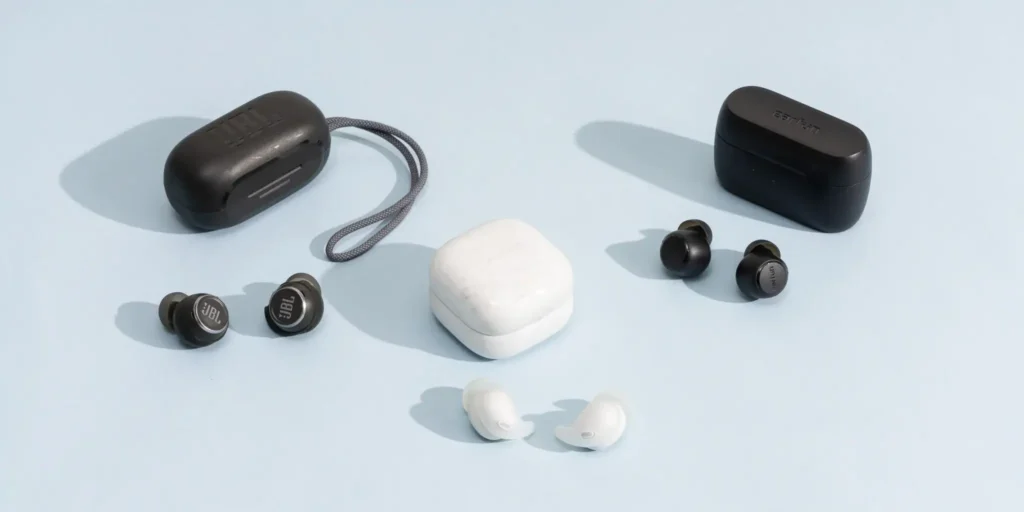
Wireless earbuds are one of the most consistent fast sellers in the Chinese import market. Global e-commerce data shows smart wearables are growing at a CAGR of 18.96%, and wireless audio sits at the centre of that growth.
Demand comes from commuters, gym users, remote workers, and students, meaning it never dries up seasonally.
Wholesale cost: $3 to $12, depending on spec.
Retail range: $20 to $50.
Why it moves fast: Everyone with a smartphone is a potential buyer. The upgrade cycle is short (12 to 18 months), and consumers replace these frequently due to battery degradation or damage.
Look for TWS (True Wireless Stereo) models with ANC (Active Noise Cancellation) branding for higher perceived value on Alibaba.
What to do differently: Avoid listing generic unbranded earbuds. Private-label the packaging and include a carry case. That single addition increases perceived value, reduces returns, and boosts repeat gifting purchases.
2. Phone Cases and Screen Protectors
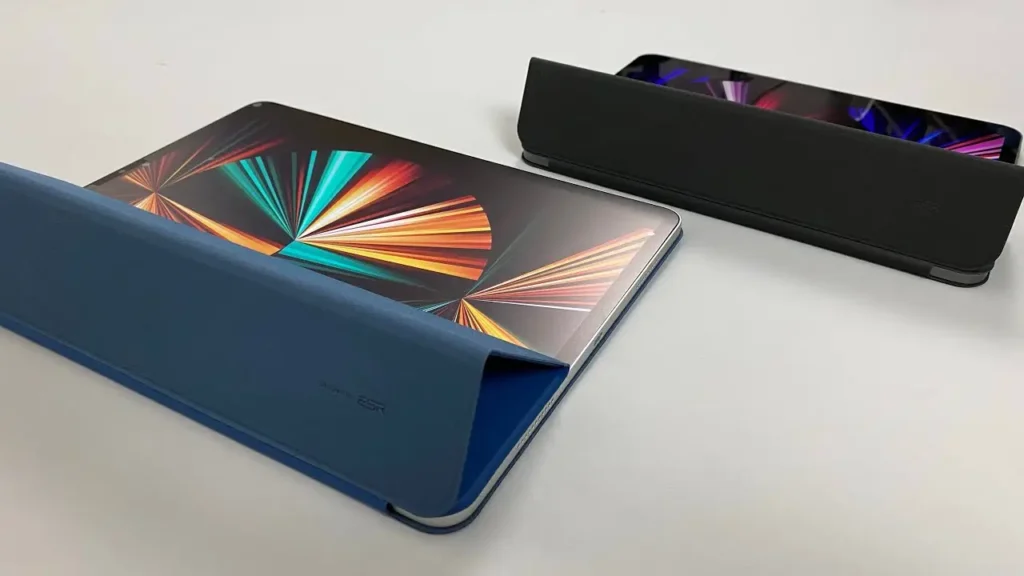
Phone accessories are the definition of evergreen. With over 300 million smartphone users in the US alone and continuous new phone model releases, demand for compatible accessories literally never stops.
Do you know that Chinese manufacturers produce TPU cases at $0.50 to $1.50 import cost, retailing at $10 to $40?
Why it moves fast: Impulse buy behaviour. Most phone case purchases are unplanned. The decision is made in under 2 minutes online. Low price point means minimal buyer hesitation.
What to do differently: Focus on newly released phone models (iPhone 17, Samsung Galaxy S26) within the first 30 days of launch.
Early listings face less competition and command premium prices. Source from manufacturers who update their moulds quickly. Most importers wait weeks. Acting fast is your edge.
3. Pimple Patches and Skincare Tools
Pimple patches (hydrocolloid stickers) have become one of the clearest case studies in viral product velocity. Latest data shows search volume exceeds 100,000 monthly in the US, with wholesale prices as low as $0.03 per unit and retail packs selling for $5 to $6.
That is a potential margin of 600% to 20,000%, depending on bundling.
Why it moves fast: TikTok content drives discovery daily. The product is consumable (used once and discarded), creating automatic repeat purchases. It is lightweight, non-hazardous, and ships cheaply.
What to do differently: Bundle pimple patches with a jade roller or gua sha tool from the same supplier. Bundled skincare kits average 35-40% higher cart values than single items. Most importers miss this completely.
4. LED Strip Lights and Smart Plugs

The smart home market is still expanding rapidly. Chinese suppliers offer Alexa and Google-compatible smart plugs at $3 to $5 wholesale, retailing at $15 to $20.
LED strip lights wholesale at around $5 and retail for $25, giving a 400% markup.
Why it moves fast: Both products are gifted heavily during holidays and often bought in multiples for the same home. They also benefit from content creation culture: millions of people document their bedroom or office setups on YouTube and TikTok, driving constant organic demand.
What to do differently: Source LED strips that support Matter protocol compatibility (the universal smart home standard gaining traction in 2026). This reduces compatibility complaints and negative reviews, which is the real reason most LED strip sellers struggle with repeat business.
5. Portable Power Banks
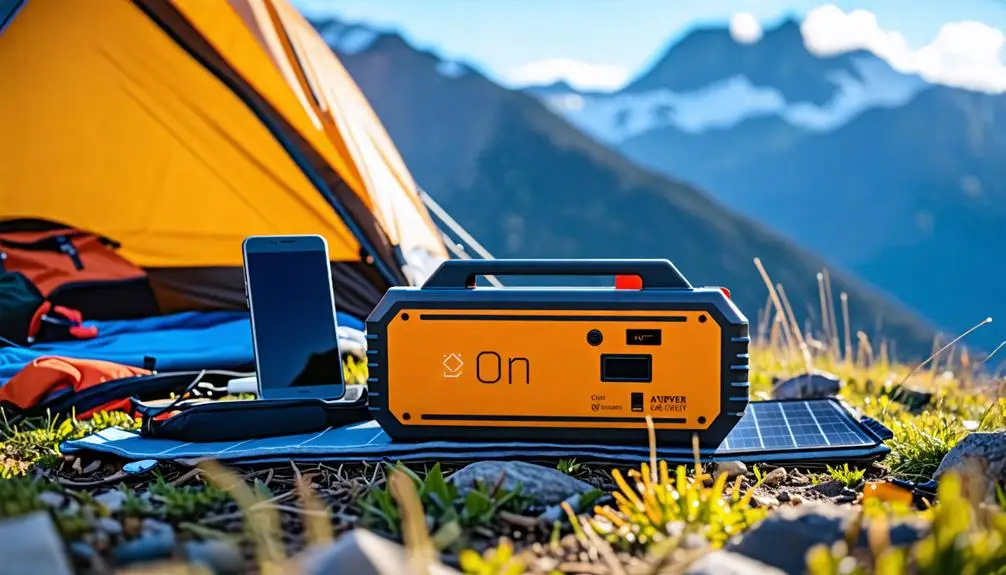
Power banks are an evergreen travel and commuter essential. A 10,000mAh power bank from a Chinese supplier costs roughly $4 to $6 wholesale and retails at $25 to $35 on Amazon, representing a 500% to 800% base margin.
Why it moves fast: Constant demand from travellers, commuters, and students. Power banks are also gifted regularly at holidays and corporate events. Models are replaced every one to two years as battery technology improves.
What to do differently: Differentiate with fast-charging specs (65W PD), multi-device ports, and slim form factors. The word “fast charging” in your listing title alone has been shown to increase click-through rates significantly on Amazon. Always source from suppliers with verified UN38.3 battery safety certificates to avoid customs delays.
6. Resistance Bands and Compact Fitness Gear
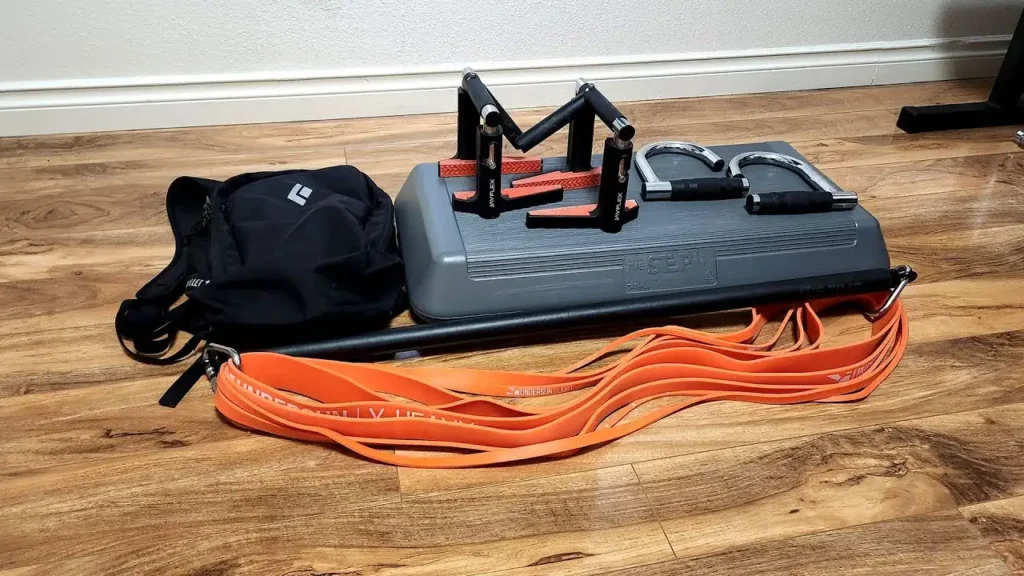
Home fitness demand has permanently shifted since 2020. Resistance bands, ab wheels, jump ropes, and loop bands remain high-velocity imports because they are cheap to produce, cheap to ship, and bought in sets.
The global fitness equipment market is growing steadily, and China dominates the manufacturing of these low-tech, high-margin items.
Why it moves fast: New Year’s resolution spikes (January/February) and back-to-school fitness pushes (August/September) create predictable demand surges. The products are universally used regardless of fitness level, meaning your customer pool is wide.
What to do differently: Source a complete resistance band set in branded packaging with a printed workout card inside the box. That single addition dramatically reduces return rates (customers know how to use the product) and drives 5-star reviews, which accelerate organic sales velocity.
Most importers ship bare bands in poly bags. Do not be that importer.
7. Pet Accessories
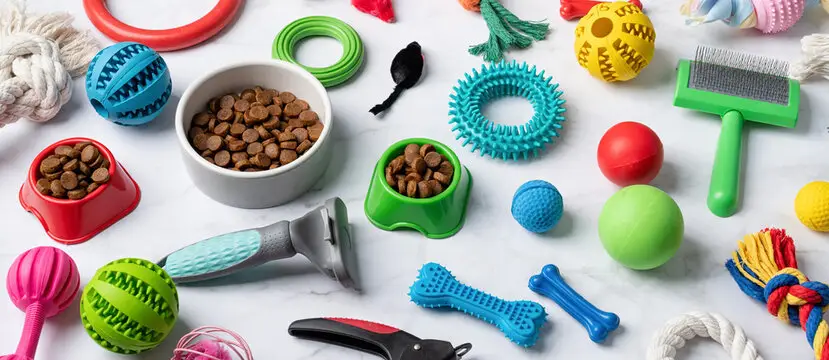
The global pet products market is growing at a CAGR of 7.1% through 2025. Pet owners are highly emotional buyers. They spend freely and reorder consistently.
Fast-moving import products in this category include collapsible travel water bowls, pet grooming gloves, harnesses, interactive puzzle feeders, and LED collar clips.
Why it moves fast: Pet products have very strong emotional buying triggers. A dog owner who sees a product that might make their pet happier or safer will buy with minimal hesitation. Return rates in this category are also lower than most others.
What to do differently: Focus on eco-friendly materials (recycled silicone, organic cotton). The segment of pet owners who shop specifically for sustainable pet products is growing fast and commands 15 to 20% premium pricing with less competition.
8. Kitchen Gadgets and Storage Solutions
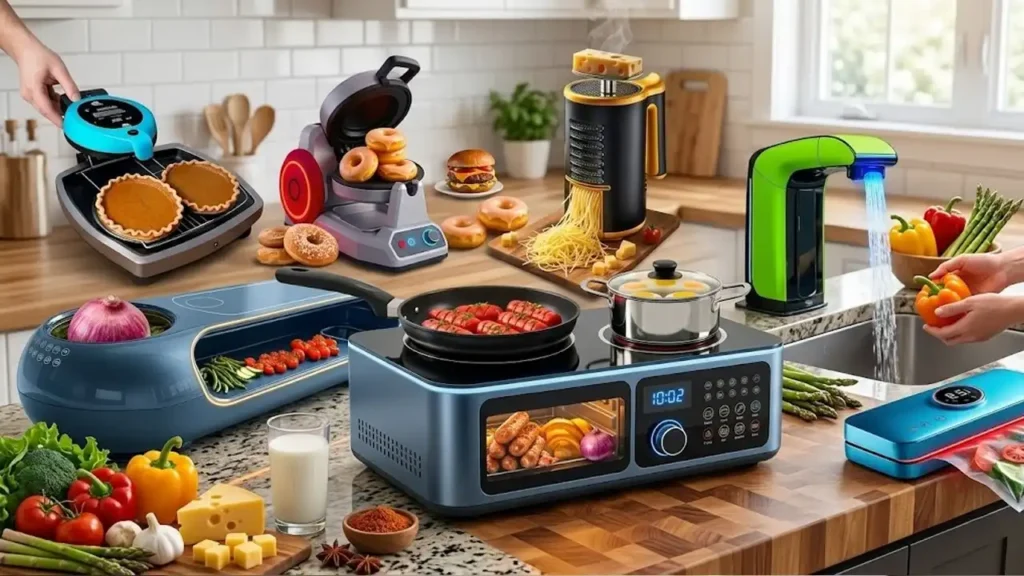
Practical kitchen tools and home storage products are consistent bestsellers year-round. Keen Sourcing’s 2026 trend analysis highlights that modularity, eco-friendly materials, and practical design are the top selling points for storage products.
Items like under-sink organisers, drawer dividers, and stackable kitchen canisters consistently appear in Amazon's top 100.
Why it moves fast: These are bought as gifts and as personal purchases. They require no technical knowledge to use, have zero compliance headaches (no batteries, no certifications), and are cheap enough to be impulse purchases at the $15 to $30 price point.
What to do differently: Private label with a clean, modern design rather than importing generic white-label products. The price difference between a generic organiser and one with consistent minimalist branding is often $5 to $10 per unit at retail, with almost no added sourcing cost.
Red Flags: Which Products Look Fast Selling But Actually Slow You Down?
Not every trending product is actually fast-moving for importers. Here are the warning signs that slow your inventory turnover, even for popular product categories.
High return rates: Products like cheap Bluetooth speakers, no-name smart watches, and generic fitness trackers look attractive on paper but generate high return rates due to quality expectations versus actual quality. Returns kill velocity and wipe margins.
Seasonal spikes with long dead periods: Some products sell 80% of their volume in one quarter (holiday decorations, summer water toys). If you import too late in the season or over-order, you are stuck holding inventory for 9 months. Only import these if you have the cash flow to plan a full season ahead.
High competition with no differentiation possible: Generic products like plain phone cables, basic USB hubs, or unbranded kitchen towels sell in huge volumes but at margins so thin that a single shipping delay or currency move wipes your profit. Avoid these unless you have a genuine differentiation strategy.
Products with complex compliance requirements: Anything involving children, food contact, or electrical certification (CE, FCC, RoHS) requires compliance documentation that adds time and cost. That is not a reason to avoid them entirely, but it is a reason to calculate your full landed cost accurately before ordering.
How Do You Find Fast Selling Products from China Before Everyone Else Does?
The best importers find products when they are gaining traction, not after they have peaked. Here are the three most reliable methods used by experienced importers.
Use Amazon Best Sellers and Google Trends to validate demand
Start with Amazon’s Best Sellers list in your target category. Look at products with less than 500 reviews but still ranking in the top 100. That signals a product gaining momentum without being fully saturated.
Cross-reference with Google Trends to confirm the search volume is on a 45-degree upward curve over the last 12 months. A flat or declining trend means the opportunity has already peaked.
Check TikTok Shop trending products weekly
TikTok Shop has become a real-time demand signal for importers. Products that go viral on TikTok typically take 4 to 8 weeks to saturate Amazon. That window is your sourcing opportunity.
Set aside 20 minutes each week to scroll TikTok Shop’s “Trending” tab and note any product you recognise as being sourceable from China. Then, validate it on Alibaba for MOQ and wholesale cost before anyone else catches on.
Use 1688.com to spot products gaining traction in China’s domestic market first
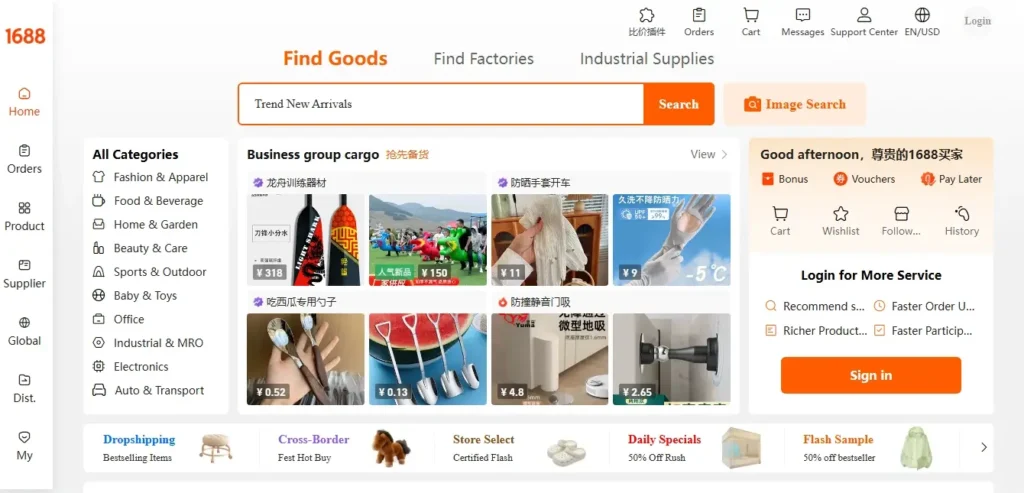
China’s domestic wholesale platform 1688.com is where Chinese manufacturers sell directly to domestic retailers. Products that are surging in sales volume on 1688 often appear on Western e-commerce platforms 60 to 90 days later.
Using a sourcing agent who monitors 1688 gives you a meaningful head start. Many of the products on this list, including pimple patches and LED strips, were identifiable through 1688 transaction data months before they went viral globally.
Where to Source Fast Selling Products from China
Not all sourcing platforms work equally well for every product type. Here is a practical comparison to help you choose the right one.
| Platform | Best For | MOQ | Price Level | Language |
|---|---|---|---|---|
| Alibaba | B2B bulk orders, private label | Medium to high (50-500 units) | Moderate | English |
| 1688.com | Factory-direct pricing, trend spotting | Low to medium | Lowest | Chinese (needs agent) |
| Global Sources | Verified manufacturers, electronics | Medium | Moderate | English |
| AliExpress | Testing single units, dropshipping | 1 unit (no MOQ) | Higher per unit | English |
| Made-in-China | Industrial, niche manufacturing | Varies | Moderate | English |
For first-time importers, starting with Alibaba and ordering samples before any bulk commitment is the most reliable approach.
The Canton Fair (held twice yearly in Guangzhou, China) is also worth attending once you are ready to scale. It is the world’s largest import and export fair, where you can meet hundreds of verified suppliers face-to-face across every product category in a single trip.
How Change Sourcing Helps You Import Fast-Selling Products from China
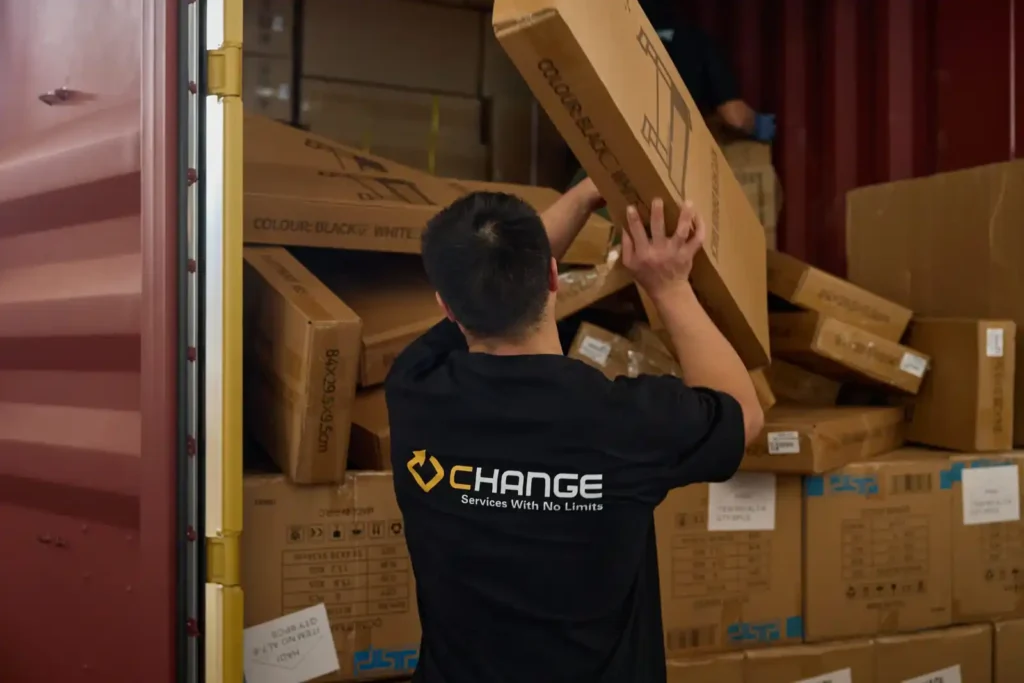
Finding fast selling products is only half the battle. The other half is executing the import cleanly, from supplier verification to quality control to landed cost calculation. That is where Change Sourcing comes in.
We help in finding the coolest product trends and sourcing those products for importers who want to move quickly and profitably. Whether you are sourcing your first container or scaling a private label brand, our team cuts through the noise and gives you actionable intelligence.
You can contact our team for a FREE Consultation call!
Frequently Asked Questions
Wireless earbuds, pimple patches, phone cases, and LED strip lights are consistently among the fastest-moving products. Pimple patches stand out for margin potential (up to 600% or more at retail), while phone cases and screen protectors offer the most consistent year-round velocity due to continuous smartphone upgrade cycles.
Profit varies by product, but realistic net margins for well-executed imports range from 30% to 70% after all landed costs (freight, duties, fulfilment fees). Power banks can yield 500% gross margins at wholesale-to-retail comparison, though actual net profit is lower once all costs are factored in. The key is calculating your full landed cost before you order, not after.
Order 1 to 5 samples from the supplier first. Test quality personally. Then place a small MOQ order (50 to 100 units) and sell through it completely before scaling. List on Amazon or a Shopify store, run minimal paid ads, and measure actual sell-through rate. Only reorder when you have real market data. This is the most reliable way to avoid importing dead stock.
Yes. China accounted for 14.33% of global merchandise exports in 2025, and its manufacturing infrastructure remains unmatched for cost and variety. Profitability has tightened in some categories due to tariff changes and the end of the de minimis rule in the US, but importers who select the right products, calculate landed costs accurately, and build supplier relationships continue to build profitable businesses from Chinese imports.