

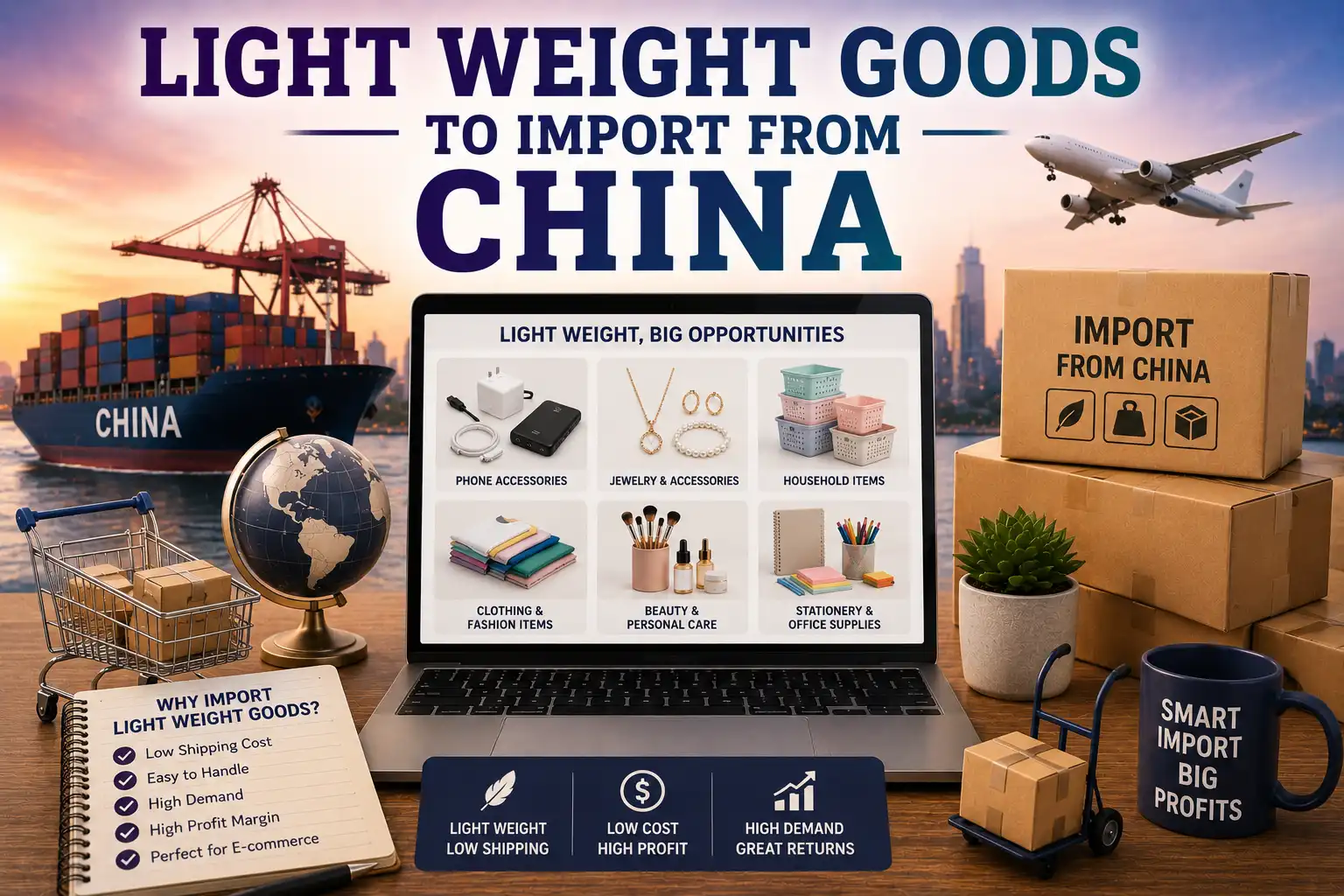
Weight is money in international trade. Every kilogram you add to a shipment costs you more on freight, more on handling, and more at customs. That is why the most experienced importers obsess over one question before they commit to any product: how light is it?
Air freight from China to Australia currently runs AUD $5.50 per kilogram for standard shipments, with express rates closer to AUD $8.77 per kilogram as of June 2026. At those rates, a product that weighs 200 grams costs you roughly $1.10 to $1.76 per unit to fly in. A product that weighs 2 kilograms costs $11 to $17.54 per unit just in freight, before you have paid for the product itself.
That math is why lightweight goods dominate the most profitable import categories. This guide breaks down exactly which lightweight products are worth importing from China in 2026, what they cost at the factory, and what you need to know before your first shipment arrives in Australia.
Why Lightweight Goods are the Smartest Starting Point for Importers
The logic is straightforward. Lightweight products reduce your freight cost per unit. Lower freight costs mean a wider margin. A wider margin gives you more room to test, price competitively, and absorb the inevitable surprises that come with international trade.
There is a specific threshold that experienced importers work around. Products weighing under 500 grams per unit are typically the most freight-efficient for air shipments.
Products under 2 kilograms still work well. Once you cross 5 kilograms per unit, air freight becomes expensive enough that sea freight is usually the better choice — but sea freight introduces a 25 to 35-day transit time that ties up your working capital.
For smaller importers, ecommerce sellers, and anyone starting out, lightweight goods let you test with air freight, turn your inventory faster, and scale before committing to full container loads.
There is also the China-Australia Free Trade Agreement (ChAFTA) to consider. Since January 2019, Australia has applied zero tariffs on 100% of Chinese goods entering the country under ChAFTA. That means most lightweight consumer goods from China enter Australia duty-free, as long as your supplier provides a Certificate of Origin.
You still pay 10% GST on the landed value, but the duty savings under ChAFTA are significant compared to the 5% general rate that applied before the agreement was fully implemented.
What are the Best Lightweight Goods to Import from China?
The products below are selected based on four criteria: unit weight under 2 kilograms, consistent Australian market demand, healthy margin-to-freight ratio, and low regulatory risk for new importers.
1. Phone Cases and Mobile Accessories
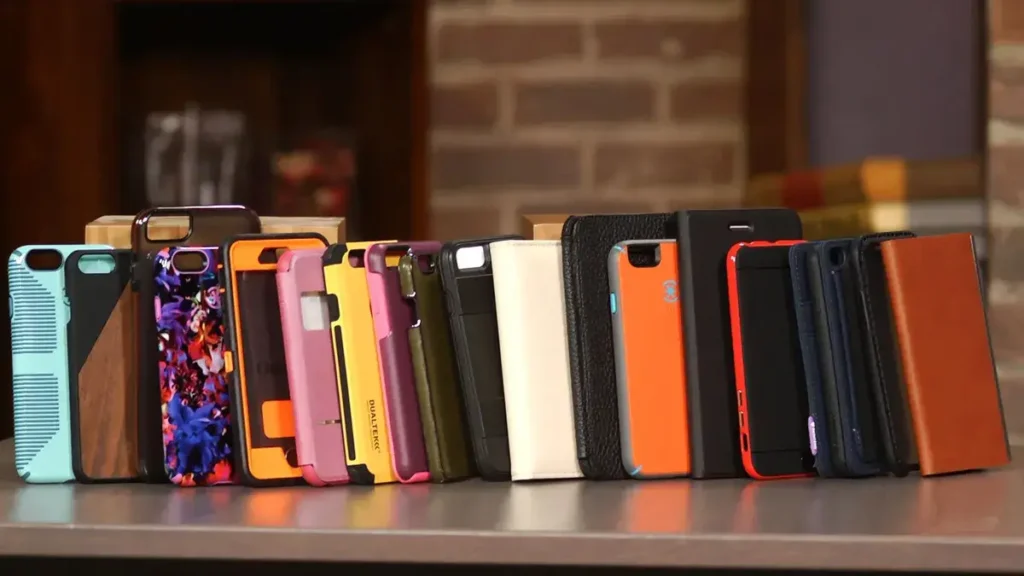
Unit weight: 50 to 200 grams
Wholesale price range (Alibaba, 100-unit MOQ): AUD $1.50 to $6 per unit
Typical retail price in Australia: AUD $15 to $60 per unit
Australia’s mobile phone accessories market reached USD $1,888 million in 2024 and is forecast to grow to USD $2,854 million by 2033, at a compound annual growth rate of 4.7%. Cases and screen protectors are the largest product segment. Chargers are the fastest-growing.
The margin case for phone accessories is straightforward. A TPU phone case sourced from a factory in Guangdong at AUD $2.50 per unit retails in Australia for $15 to $25.
Even after factoring in air freight at roughly AUD $1.10 per unit for a 200-gram item, GST at 10%, and platform fees if you are selling through Amazon AU or eBay, the gross margin on a single case is typically 60% to 75%.
Screen protectors are even lighter — often under 100 grams per unit — and carry similar margins.
What to watch out for: Apple and Samsung change their phone models annually. If you order large quantities of cases for last year’s model, you may be left with unsellable stock. Order smaller batches and reorder when you validate what sells.
Where to source: Alibaba, Global Sources, and directly through the Guangdong electronics wholesale cluster. The Huaqiangbei electronics market in Shenzhen is the world’s most concentrated hub for phone accessories — thousands of manufacturers and traders operate within a few city blocks.
2. Resistance Bands and Lightweight Fitness Accessories
Unit weight: 80 to 400 grams (per set)
Wholesale price range: AUD $1.50 to $8 per set
Typical retail price in Australia: AUD $20 to $60 per set
Resistance bands are one of the most logistically ideal products to import. A full set of five bands in varying resistance levels weighs roughly 350 to 500 grams and fits in a flat poly bag.
The retail price in Australia ranges from $20 to $60, depending on branding and quality. The wholesale cost from a Chinese manufacturer for a 200-unit order runs $2 to $5 per set.
Australia’s fitness market continues to grow post-pandemic. According to the Australian Sports Commission’s participation data, physical activity engagement has remained elevated compared to pre-2020 levels.
Resistance bands, yoga mats, jump ropes, and similar lightweight training accessories have become standard home gym items.
The private label opportunity: Resistance bands are one of the easiest products to private-label from China. Most manufacturers offer MOQs of 100 to 200 units and will print your brand name and logo on the product and packaging for little or no additional cost.
A private label set of bands with your branding on the packaging separates you from the generic commodity sellers and protects your margin.
Other lightweight fitness items worth considering:
- Skipping ropes (150 to 300 grams per unit)
- Yoga blocks made from EVA foam (400 to 500 grams per unit)
- Gym gloves and wrist wraps (100 to 250 grams per pair)
- Mini massage balls and foam rollers (small versions, under 500 grams)
Regulatory note: Basic fitness accessories like resistance bands have no mandatory certifications in Australia. More complex items like electrical muscle stimulators or any device with health claims require Therapeutic Goods Administration (TGA) assessment. Stick to mechanical accessories to avoid this complexity.
You might also like to read: Best China Suppliers for Small Business in 2026
3. Skincare Tools and Beauty Accessories
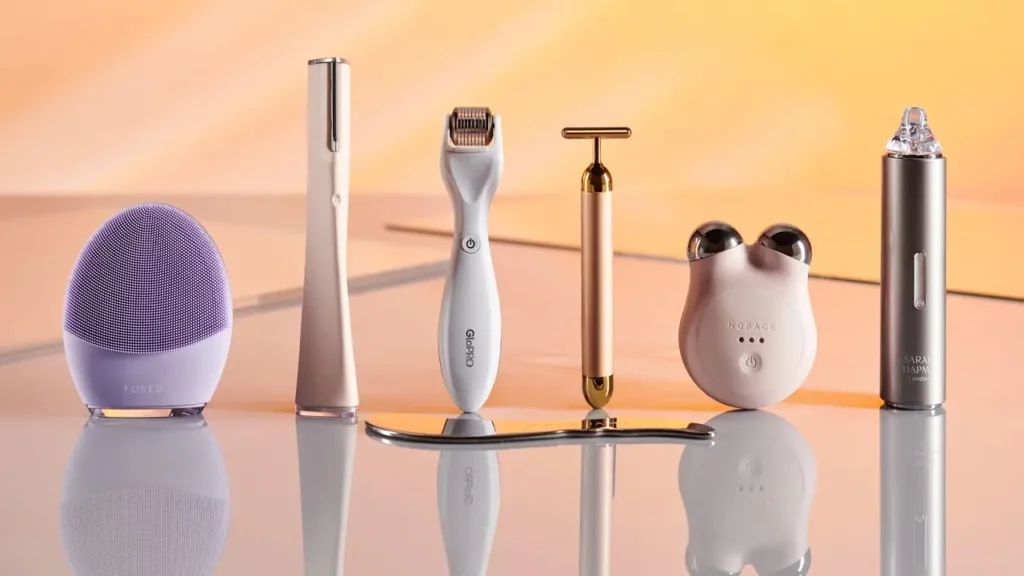
Unit weight: 50 to 400 grams
Wholesale price range: AUD $1 to $12 per unit
Typical retail price in Australia: AUD $15 to $80 per unit
The global beauty accessories category has proven remarkably resilient to economic shifts. In Australia, beauty spending continues to grow — the Australian beauty and personal care market is valued at USD $6.07 billion in 2025 and is projected to reach USD $8.02 billion by 2030 at a 5.73% annual growth rate.
The lightweight winners in this category include:
Gua sha tools and jade rollers: Made from natural stone or resin, these weigh 80 to 150 grams per unit. Wholesale cost is AUD $1.50 to $5. Retail price in Australia runs from $20 to $50. Margin is very strong, and the items are compact, non-electronic, and simple to ship without any special documentation.
Facial cleansing brushes (non-electric): Silicone facial brushes weigh under 100 grams. Wholesale cost is $2 to $4 per unit. They retail for $15 to $35 in Australia.
Makeup brush sets: A set of 10 to 15 brushes with a pouch weighs roughly 300 to 400 grams. Wholesale from Chinese manufacturers runs $3 to $10 per set. Retail in Australia is $25 to $70, depending on quality and branding.
Pimple patches: These are tiny, ultra-lightweight hydrocolloid patches that have become mainstream through social media. A pack of 36 patches weighs under 30 grams. Wholesale is AUD $1 to $2 per pack. Retail is $8 to $18.
Compliance note for beauty products: Cosmetic products — including any product that is applied to the face or body — must comply with Australia’s industrial chemicals reporting requirements under the National Industrial Chemicals Notification and Assessment Scheme (NICNAS), now operating under the AICIS framework.
If your product is a device (such as a brush or roller) rather than a chemical formulation, compliance is simpler. Always check whether your product is classified as a cosmetic, device, or therapeutic good before importing.
You might also like to read: Is Alibaba Safe to Buy From Australia and How? 2026 Guide
4. Stationery and Desk Accessories

Unit weight: 50 to 600 grams per unit
Wholesale price range: AUD $0.50 to $8 per unit
Typical retail price in Australia: AUD $5 to $35 per unit
Stationery is one of the original lightweight import categories from China — and it remains consistently profitable because demand is evergreen. Students, remote workers, office environments, and gift buyers all purchase stationery year-round.
The Yiwu International Trade City in Yiwu, Zhejiang Province, is the world’s largest wholesale market for small commodities, including stationery.
It covers 5.5 million square metres, houses 75,000 stalls, and offers over 400,000 types of products across its five zones. Stationery, pens, notebooks, and office supplies occupy significant floor space in Zone II and Zone III.
The most importable lightweight stationery items include:
- Gel pens and ballpoint pens in bulk (under 20 grams each)
- Spiral notebooks and planners (300 to 600 grams each)
- Sticky notes and index tabs (50 to 150 grams per pack)
- Washi tape sets (100 to 200 grams per set)
- Desk organisers (lightweight acrylic or bamboo versions, 200 to 500 grams)
The gift set opportunity: Stationery bundles presented as gift sets command significant premium pricing. A bundle of a notebook, pen set, and washi tape that costs AUD $5 to source and package can retail as a gift set for AUD $25 to $40 on Etsy or at markets.
5. Fashion Jewellery and Accessories
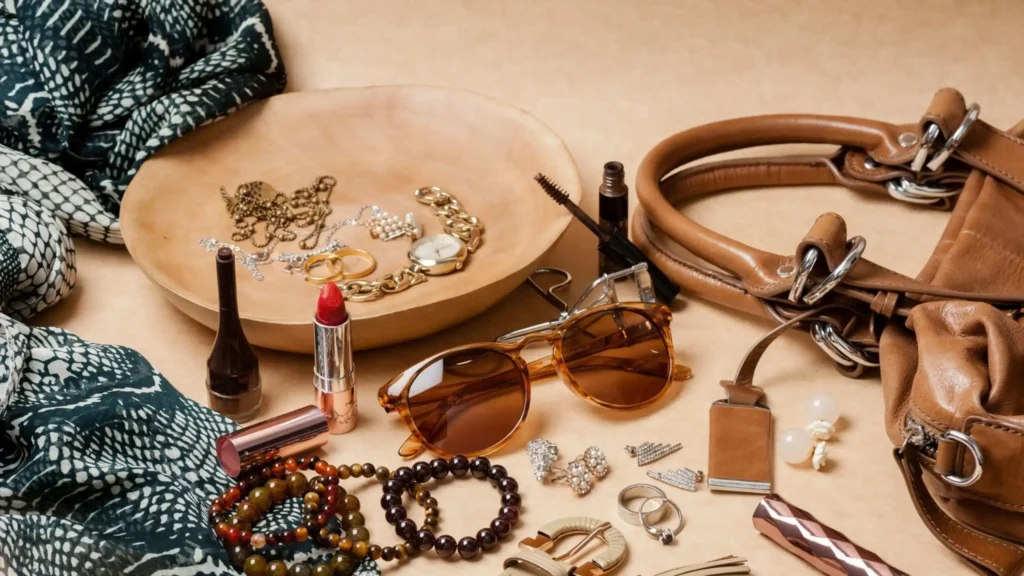
Unit weight: 10 to 150 grams per unit
Wholesale price range: AUD $0.50 to $8 per unit
Typical retail price in Australia: AUD $10 to $80 per unit
Fashion jewellery is arguably the most weight-efficient product category you can import. A bracelet weighs 15 to 30 grams. A pair of earrings weighs under 10 grams.
A necklace with a pendant weighs 20 to 50 grams. The freight cost to fly these items from China to Australia is negligible — often under AUD $0.20 per unit, even at air freight rates.
China is the world’s largest manufacturer of fashion jewellery. The Guangzhou accessories wholesale cluster, concentrated in the Panfu Road jewellery market area of Guangzhou, offers thousands of styles across every price point.
Wholesale pricing from Chinese manufacturers:
| Item | Wholesale (100-unit MOQ) | Typical Australian Retail |
|---|---|---|
| Stainless steel bracelet | AUD $1 to $4 | AUD $15 to $45 |
| Beaded necklace | AUD $1 to $3 | AUD $12 to $35 |
| Resin earrings | AUD $0.50 to $2 | AUD $10 to $30 |
| Hair accessories (clips, bands) | AUD $0.30 to $1.50 | AUD $5 to $20 |
What makes jewellery imports complex: Fashion jewellery that contains heavy metals (lead, nickel, cadmium) can be a compliance issue. Australian Consumer Law requires that products sold must be safe. Some low-cost Chinese jewellery items fail heavy metal testing.
Always request material safety data sheets from suppliers and test samples before placing bulk orders — especially for items intended for children.
The Etsy opportunity: Australian handmade and boutique jewellery sellers are among the most active Etsy merchants. If you import base components or semi-finished pieces from China and finish them locally (adding beads, restringing, repackaging with branding), you occupy a legitimate market position that combines China’s manufacturing price advantages with your own creative input.
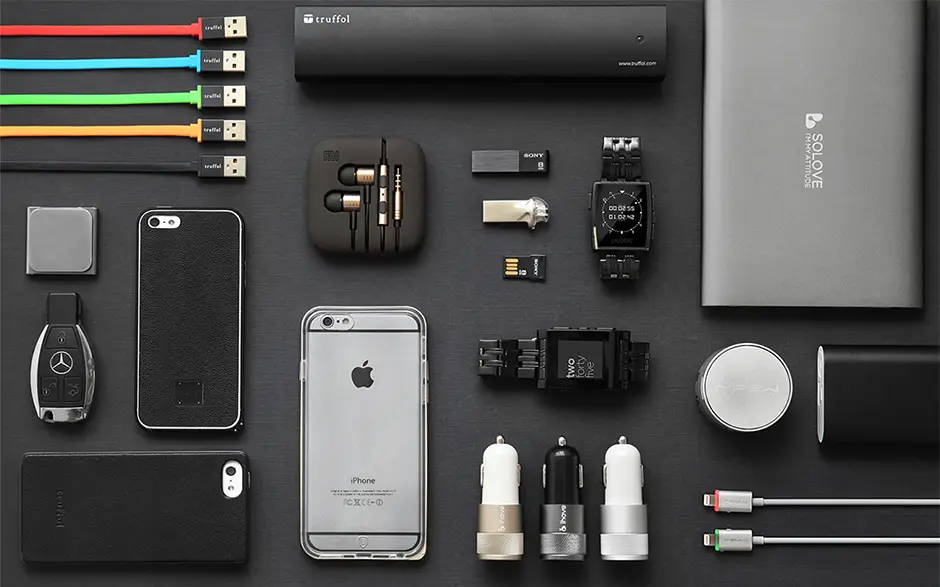
6. Tech Accessories (Cables, Chargers, Smart Gadgets)
Unit weight: 50 to 500 grams
Wholesale price range: AUD $2 to $15 per unit
Typical retail price in Australia: AUD $15 to $80 per unit
USB cables, wireless earbuds, cable organisers, laptop stands, and similar tech accessories are among the most searched product categories on Australian ecommerce platforms.
The Australian mobile accessories market is forecast to reach USD $2,854 million by 2033 at a 4.7% annual growth rate, with wireless accessories being the fastest-growing segment.
The most logistically convenient tech accessories to import:
USB-C cables: 100 to 150 grams per cable plus packaging. Wholesale AUD $1 to $3. Australian retail is $10 to $25.
Wireless earbuds (TWS): 50 to 100 grams for the case and buds. Wholesale AUD $8 to $25, depending on quality. Australian retail is $25 to $120.
Cable management accessories: Clips, ties, boxes — very light. Wholesale under AUD $2. Retail $8 to $20.
Power banks (5,000–10,000 mAh): These are heavier (200 to 400 grams) but carry strong margins. Wholesale AUD $8 to $20. Australian retail is $30 to $70.
Critical compliance requirements for electronics:
Australia’s Electrical Equipment Safety System (EESS) requires that electrical equipment operating between 50 and 1,000 volts AC designed for household, personal, or similar use must be registered before it can be sold in Australia.
Chargers, power boards, and USB adapters fall under this system. Selling non-EESS-registered electrical goods in Australia carries significant penalties.
Wireless earbuds and other battery-powered accessories may not require EESS registration if they do not directly connect to mains power, but always verify with the Australian Border Force tariff classification tool or a customs broker before committing to an order.
Lithium battery shipping note: Products containing lithium batteries — including power banks and earbuds — are classified as dangerous goods (hazmat) for air freight. They require specific documentation (MSDS sheets) and must be shipped by approved couriers using battery-safe packaging. This adds complexity and cost.
Factor this into your decision before choosing battery-containing products as your first import category.
7. Reusable and Eco Products
Unit weight: 50 to 400 grams
Wholesale price range: AUD $1 to $10 per unit
Typical retail price in Australia: AUD $10 to $45 per unit
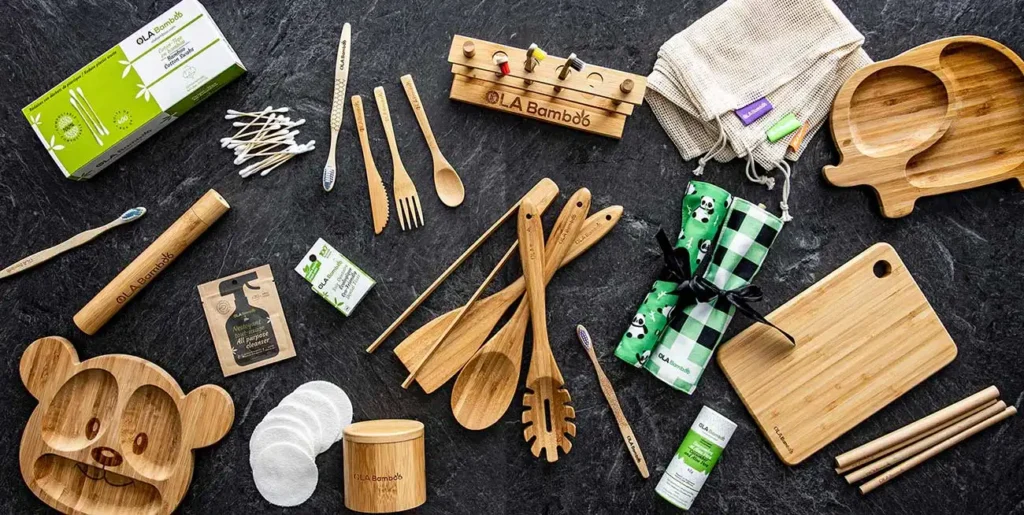
Australian consumer demand for reusable and eco-conscious products has grown steadily. Products like reusable shopping bags, bamboo utensil sets, silicone food bags, beeswax wraps, and stainless steel straws tap into a market that is both growing and values branding over price.
The critical advantage of eco products as an import category is the story. Consumers accept premium pricing on eco products that they would reject for generic commodities. A bamboo cutlery set that costs AUD $3 to source from a Yiwu supplier retails for AUD $20 to $35 with appropriate branding, because the buyer is paying for the concept as much as the product.
Weight profile of popular eco products:
- Stainless steel straws with pouch (80 grams per set)
- Beeswax wraps 3-pack (120 grams)
- Reusable silicone food bags set (200 grams)
- Bamboo cutlery set with carry case (180 grams)
- Cotton mesh produce bags set (150 grams)
All of these are highly air-freight-friendly and have no complex compliance requirements in Australia, unlike electronics or cosmetics.
Shipping Lightweight Goods from China to Australia: What Does It Actually Cost?
Understanding your landed cost before you place an order is the difference between a profitable import and a loss-making experiment.
As of June 2026, freight rates for the China-to-Australia route are:
| Shipping Method | Rate | Transit Time |
|---|---|---|
| Air freight (standard) | AUD $5.50/kg | 3 to 7 days door-to-door |
| Air freight (express courier) | AUD $8.77/kg | 2 to 5 days |
| LCL sea freight | AUD $35/cbm | 14 to 35 days |
| FCL 20-foot container | AUD $1,485 to $1,815 | 14 to 35 days |
Source: sino-shipping.com China-Australia freight rates, June 2026
Calculating your landed cost per unit:
Use this formula before every order:
Landed cost = (Product cost + Freight cost + Import processing fee + GST) / Number of units
A worked example for 500 units of phone cases:
| Cost Item | Amount |
|---|---|
| Product cost (AUD $2.50 x 500 units) | AUD $1,250 |
| Air freight (500 units x 150g = 75kg x $5.50/kg) | AUD $412 |
| Import processing charge (for shipments AUD $1,000–$10,000) | AUD $50 to $90 |
| GST (10% on CIF value of approx. $1,662) | AUD $166 |
| Total landed cost | AUD $1,878 |
| Per unit landed cost | AUD $3.76 |
| Retail price | AUD $19.99 |
| Gross margin | ~81% |
That is a realistic margin before platform fees and marketing. With those added, a 50% to 60% net margin on a well-sourced phone case is achievable.
The ChAFTA duty saving:
Under ChAFTA, most consumer goods from China enter Australia at 0% import duty, compared to the standard most-favoured-nation rate of 5%. On a $10,000 AUD order value, that saves you $500 in duty immediately. Always ensure your Chinese supplier provides a ChAFTA Certificate of Origin to claim the preferential rate at customs.
How to Avoid the Most Common Mistakes When Importing Lightweight Goods from China
Always Order Samples Before Bulk Orders
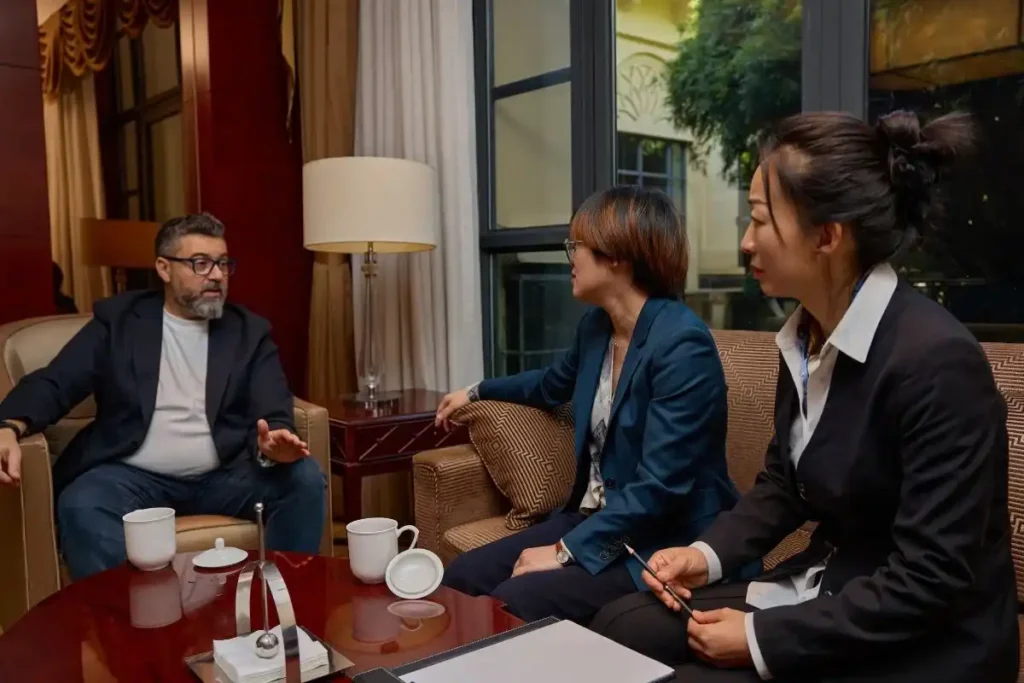
Photographs on Alibaba are not guarantees of quality. Suppliers use their best inventory for product photos. The only way to know what you are actually getting is to receive physical samples before committing to a bulk order.
Sample costs vary. A phone case sample might cost AUD $5 to $15. A set of resistance bands might be $10 to $20, including express shipping.
For products that will carry your brand, samples are not optional — they are the minimum standard of due diligence.
Verify Supplier Credentials on Alibaba
On Alibaba, filter for suppliers with Gold Supplier status and Trade Assurance protection. Trade Assurance is Alibaba’s escrow system — funds are held until you confirm receipt of goods. It does not guarantee quality, but it gives you recourse if what arrives is not what was agreed.
Do not wire money directly to a supplier's bank account for your first order. Use Trade Assurance or a platform-based payment method until you have established trust over multiple successful orders.
Calculate Volumetric Weight Before You Commit
Air freight charges are based on the higher of actual weight or volumetric weight. Volumetric weight is calculated as: Length (cm) x Width (cm) x Height (cm) divided by 6,000.
If you are importing a product that is light but bulky — like empty gift boxes, foam packaging, or inflatable items — the volumetric weight may be far higher than the actual weight, making your freight cost much higher than expected.
Always request carton dimensions from your supplier and calculate volumetric weight before confirming your freight booking.
Know Which Products Require Australian Compliance
Some lightweight products trigger compliance requirements that can delay or block your shipment:
- Electrical goods (mains-connected) require EESS registration
- Cosmetics require an AICIS assessment under the Industrial Chemicals Act
- Products for children require compliance with the ACCC product safety standards
- Food-contact items (like bamboo utensils) require compliance with food-grade safety standards
- Therapeutic devices require TGA assessment
Non-compliant goods can be detained at the border by the Australian Border Force and destroyed at your cost. A $200 consultation with a customs broker before your first order is significantly cheaper than a detained shipment.
How CHANGE Sourcing Helps Australian Importers Source Lightweight Goods from China

Finding a lightweight, high-margin product is only the first step. The harder part is finding a reliable factory that produces consistent quality, offers competitive pricing, and understands Australian compliance requirements.
This is exactly where a professional sourcing partner adds value. CHANGE Sourcing is based in Yiwu, Zhejiang, China — the city that is home to the world’s largest small commodity wholesale market, which is where a significant portion of the world’s lightweight consumer goods are manufactured and traded.
CHANGE Sourcing helps Australian importers by:
- Finding verified factories for your specific product category
- Negotiating pricing and MOQs on your behalf in Mandarin
- Arranging quality inspections before goods leave the factory
- Coordinating freight and customs documentation for the China-Australia route
- Advising on ChAFTA Certificate of Origin requirements to eliminate import duty
This is particularly valuable for importers who want the margin advantage of direct factory sourcing but do not have the local contacts, language skills, or time to manage the process themselves.
The price difference between buying through a third-party dropshipping platform and buying directly from a Chinese factory on the same product typically runs 30% to 60%.
Talk to a CHANGE Sourcing consultant for free here
Frequently Asked Questions
Fashion jewellery (earrings, bracelets, hair accessories) is the most weight-efficient category per dollar of margin. Individual pieces weigh 10 to 50 grams and cost under AUD $3 to source, while retailing for $10 to $45 in Australia. Pimple patches and sticker-based beauty products are similarly ultra-light with strong margins.
Under the China-Australia Free Trade Agreement (ChAFTA), most goods from China enter Australia at 0% import duty since January 2019. You do still pay 10% GST on the landed value (product cost plus freight plus insurance). If your business is GST-registered with an ABN, you can claim that GST back as an input tax credit on your BAS.
For goods under 500 kg in total shipment weight, air freight is typically the most practical option for Australian importers. At AUD $5.50 per kilogram for standard air freight, lightweight goods under 500 grams per unit are cost-effective to fly in. For larger volumes, LCL sea freight at AUD $35 per cubic metre becomes more economical but adds 14 to 35 days of transit time.
Start with Alibaba and filter for Gold Suppliers with Trade Assurance and at least 2 years of operation. Always order samples before bulk orders. For better pricing and more direct factory access, especially in lightweight small commodity categories, working with a sourcing agent based in Yiwu or Guangzhou gives you access to pricing and suppliers that are not available on public B2B platforms.
Yes, but the category requires care. Beauty devices (brushes, rollers, gua sha tools) are low-risk and generally straightforward to import. Chemical cosmetics (creams, serums, makeup) must comply with the Australian Industrial Chemicals Introduction Scheme (AICIS). Always request a material safety data sheet from your supplier and verify compliance before importing formulated cosmetic products.
Final Thoughts
The most experienced importers all start in the same place: lightweight products with strong margin-to-freight ratios, simple compliance requirements, and consistent demand. Phone accessories, fitness tools, beauty accessories, stationery, fashion jewellery, and eco products all meet that criteria for the Australian market in 2026.
The math is on your side when you choose the right product. But the biggest risk for new importers is not the product selection — it is the supplier. A bad factory can deliver the wrong product, the wrong quantity, or the wrong quality. That is the problem that professional sourcing solves.
If you are looking to import lightweight goods from China to Australia and want to access factory-direct pricing, verified suppliers, and end-to-end logistics support, contact CHANGE Sourcing here for a free initial consultation.
You might also like to read: