

The most profitable items to import from China to India in 2026 include phone accessories (50 to 70% margins), artificial jewelry and fashion accessories (50 to 70% margins, no BIS required), LED decorative lighting, kitchen gadgets, beauty tools, home storage products, educational toys, automobile accessories, pet accessories, and baby products. Profitability depends on understanding India's specific market drivers, import duty structure, and BIS certification requirements before placing your first order.
India-China bilateral trade hit a record $155.62 billion in 2025, growing 12% year on year. Electrical and electronic equipment alone accounted for $47.67 billion of India’s imports from China in 2024. The opportunity is massive and still growing.
But choosing what to import is only half the decision. India’s import market rewards buyers who understand which consumer segment they are serving, what compliance requirements apply to their product, and how to time their orders around India’s unique calendar of demand.
This guide covers 10 of the most profitable categories with real margin estimates, India’s BIS compliance reality explained simply, and the market driver behind each product’s profitability.
Why India is a Uniquely Profitable Market for Chinese Imports?
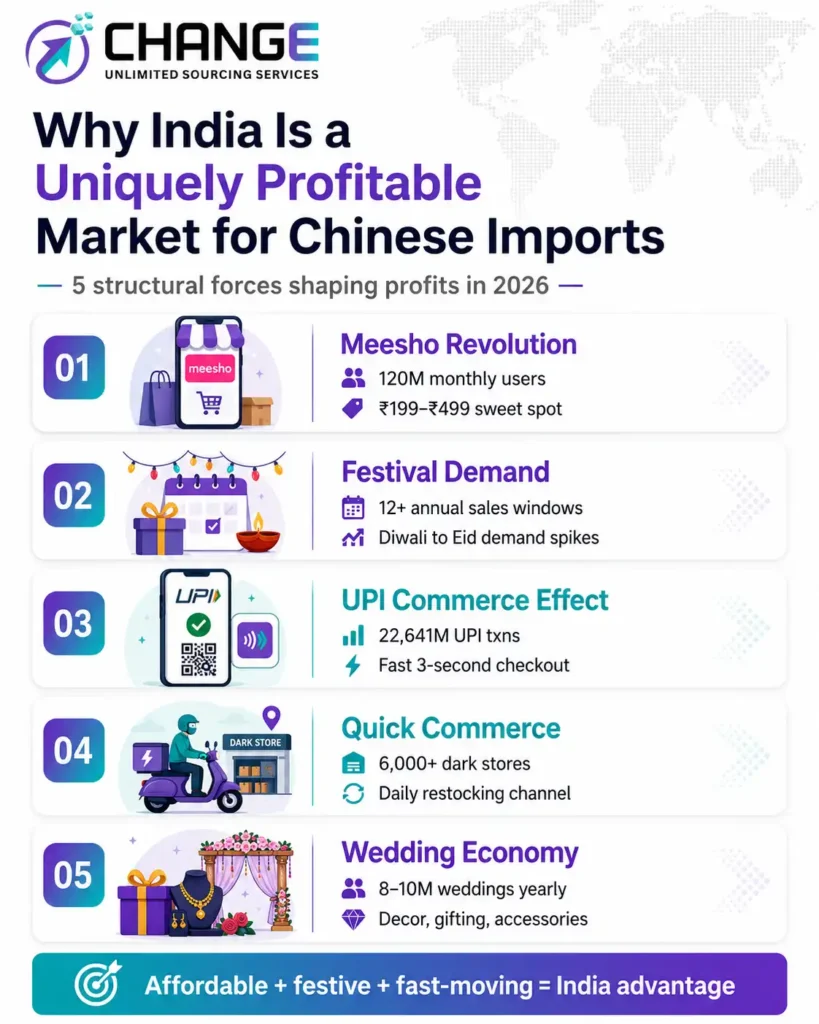
Understanding India’s specific advantages before choosing a product makes the difference between a product that consistently sells and one that sits in a warehouse.
The Meesho Revolution has created 120 million monthly active users shopping specifically for affordable, visually appealing products in Tier-2 and Tier-3 India. Meesho’s zero-commission model means higher seller margins than any other Indian platform. Products priced at ₹199 to ₹499 that are sourced from Chinese factories at ₹60 to ₹150 are the sweet spot for this market.
The Festival Calendar gives Indian importers 12+ annual demand windows. Diwali, Holi, Eid, Navratri, Raksha Bandhan, and other festivals each create 2 to 4 week demand spikes for specific categories. An importer who orders LED lights from China 3 to 4 months before Diwali stocks at off-season prices and sells at festival premiums. No other market offers this level of demand predictability.
The UPI Commerce Effect is real and measurable. India processed 22,641 million UPI transactions in March 2026 alone. Products under ₹499 that demonstrate well on Instagram Reels convert at extraordinary rates because payment takes three seconds. The social-content-to-UPI purchase loop is among the fastest in the world.
Quick Commerce Expansion is creating a new B2B opportunity for importers. Blinkit, Zepto, and Swiggy Instamart are targeting 6,000+ dark stores by end-2026. These stores restock daily and need a consistent supply of non-perishable home goods and everyday accessories. Products that fit this profile have a new distribution channel that most importers are not yet considering.
India’s Wedding Economy of 8 to 10 million weddings annually generates enormous year-round demand for fashion accessories, decorative items, gifting products, and home decor. This demand is structural, recurring, and has no second-hand market equivalent.
India’s Import Cost Reality: Duties, BIS, and Landed Cost
Before any margin estimate is meaningful, two realities must be understood.
India’s effective import cost combines Basic Customs Duty (BCD), which varies by HS code, IGST at 12 or 18%, and a Social Welfare Surcharge of 10% on the BCD amount.
For most Chinese consumer goods, the effective total duty sits between 30 and 40% of the CIF value. Always calculate your specific landed cost before ordering.
BIS certification is the factor that ends first-time importers. India’s Bureau of Indian Standards has issued 187 Quality Control Orders covering 679+ product categories.
Without BIS registration on regulated products, customs at Nhava Sheva, Chennai, or Kolkata will detain your shipment. Goods without BIS are re-exported or destroyed. There is no retrospective approval.
The practical BIS guide:
- Low barrier (no BIS required): Artificial jewelry, fashion accessories, home storage, pet accessories, most home decor, non-electrical baby products
- Medium barrier (BIS required, achievable): LED lights, Bluetooth speakers, power banks, phone chargers
- High barrier (complex, avoid until experienced): Mobile phones, laptops, full home appliances, IT equipment
Quick Comparison: 10 Most Profitable Import Product Categories in China
| Product | Effective Duty | Margin | BIS Level | Market Driver | Best Source Region |
| Phone accessories | 35 to 40% | 50 to 70% | Medium | UPI + Meesho | Shenzhen |
| Artificial jewelry | 25 to 35% | 50 to 70% | Low | Festival + Wedding | Yiwu |
| LED decorative lighting | 30 to 38% | 45 to 65% | Medium | Festival Calendar | Zhongshan |
| Kitchen gadgets | 25 to 35% | 40 to 55% | Medium | Quick commerce + D2C | Guangdong |
| Beauty tools | 25 to 35% | 40 to 60% | Medium | Nykaa + Social commerce | Guangzhou |
| Home storage | 20 to 30% | 40 to 55% | Low | Quick commerce + Meesho | Yiwu |
| Educational toys | 25 to 35% | 40 to 60% | Medium | Festival gifting + Parents | Various |
| Automobile accessories | 25 to 35% | 45 to 60% | Low to medium | Automotive market growth | Shenzhen |
| Pet accessories | 20 to 28% | 50 to 65% | Low | Urban millennial + D2C | Yiwu |
| Baby products | 22 to 32% | 45 to 60% | Low (non-electrical) | 20M annual births | Various |
The 10 Most Profitable Items to Import from China to India
Products are ordered by effective net margin after India costs, accessibility for new importers, and alignment with India’s strongest market drivers.
1. Phone Accessories: The Most Consistently Profitable Category
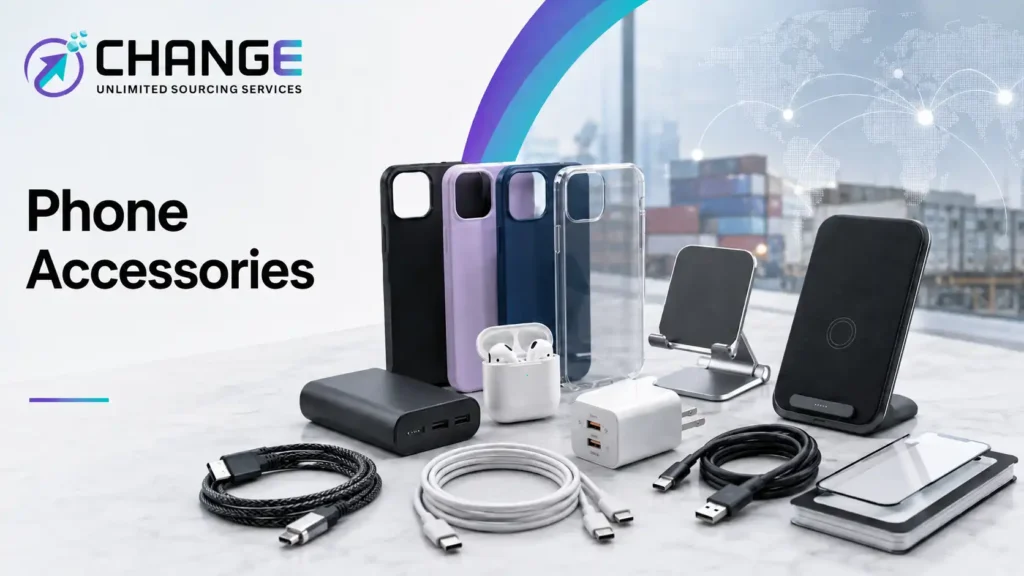
India’s smartphone base has crossed 850 million users. Every phone owner replaces accessories every 6 to 12 months, and with UPI enabling instant purchase from a social media link, the conversion cycle is among the fastest of any category.
The profit picture varies significantly by sub-product within this category, which is why understanding individual margins matters before ordering.
| Sub-Product | China Price/Unit | Landed Cost (est.) | India Retail (Meesho/Amazon) | Gross Margin |
| Braided USB-C cable (1m) | ₹35 to ₹60 | ₹82 to ₹95 | ₹149 to ₹299 | 42 to 58% |
| 10,000mAh power bank | ₹415 to ₹580 | ₹700 to ₹870 | ₹799 to ₹1,299 | 10 to 32% |
| Basic TWS earbuds | ₹150 to ₹330 | ₹255 to ₹490 | ₹499 to ₹999 | 37 to 49% |
| TPU printed phone case | ₹30 to ₹80 | ₹55 to ₹120 | ₹149 to ₹499 | 63 to 76% |
| Tempered glass screen protector | ₹15 to ₹35 | ₹28 to ₹55 | ₹79 to ₹199 | 52 to 72% |
| 20W to 33W fast charger | ₹175 to ₹300 | ₹296 to ₹510 | ₹399 to ₹799 | 20 to 44% |
The table shows that phone cases and screen protectors are the highest-margin sub-products in this category. Power banks carry the lowest gross margin because BIS certification adds cost, and established brands (Mi, Realme) compete hard on price.
Starting with cables, cases, and screen protectors is the lower-risk entry into this category before moving to BIS-regulated items.
- BIS required: Power banks and chargers. BIS is not required for cases and screen protectors.
- Best sourcing region: Shenzhen, Guangdong
- Best platform: Meesho for cables and cases, Amazon for power banks
Ensuring your Shenzhen supplier already holds BIS certification is essential before placing volume orders. Our guide on the best ways to verify China suppliers covers how to confirm this before any payment.
2. Artificial Jewelry and Fashion Accessories: The Wedding Market Advantage
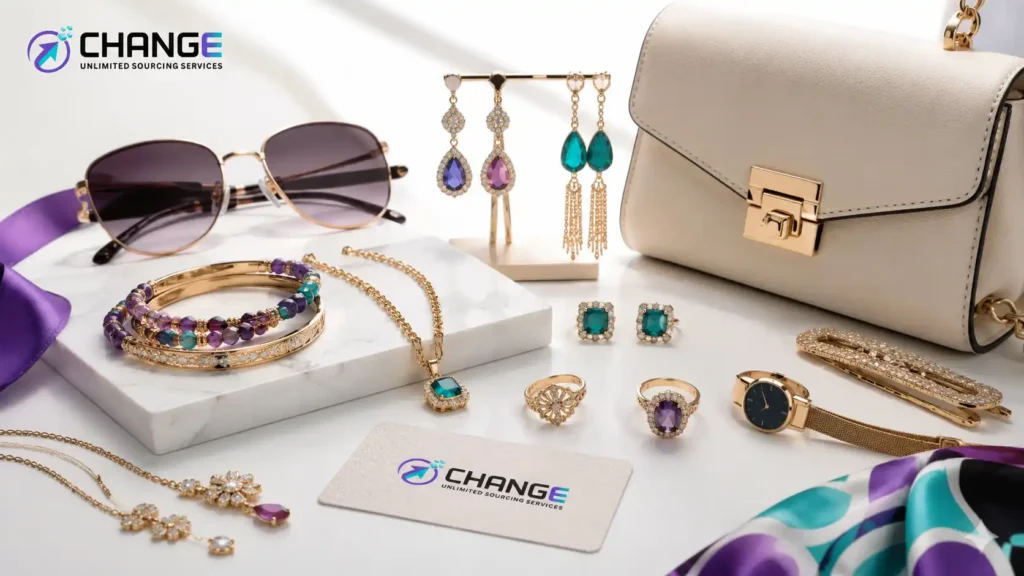
India’s artificial jewelry market is growing to USD 1,155 million by 2029 at 11.4% CAGR. The 8 to 10 million annual weddings and 12+ festivals ensure the demand is structural and year-round.
Yiwu’s jewelry district is the direct source for most of this category globally, with fashion jewelry starting from as low as $0.10 per piece.
| Sub-Product | China Price/Unit | Landed Cost (est.) | India Retail | Gross Margin |
| Fashion earrings (alloy pair) | ₹8 to ₹25 | ₹17 to ₹38 | ₹99 to ₹299 | 73 to 87% |
| Necklace pendant set | ₹40 to ₹200 | ₹62 to ₹280 | ₹199 to ₹799 | 58 to 69% |
| Bangle set (12 pieces) | ₹25 to ₹90 | ₹38 to ₹125 | ₹149 to ₹499 | 62 to 75% |
| Hair accessories set | ₹8 to ₹42 | ₹15 to ₹58 | ₹99 to ₹299 | 67 to 85% |
| Kundan/Oxidized bridal set | ₹170 to ₹650 | ₹250 to ₹860 | ₹699 to ₹2,999 | 56 to 74% |
| Fashion ring set (5 pieces) | ₹25 to ₹85 | ₹38 to ₹110 | ₹149 to ₹499 | 63 to 78% |
Fashion earrings and hair accessories deliver the highest gross margins in this table, consistently above 70%. The bridal set category has a lower gross margin percentage but higher absolute rupee margin per unit and benefits from festival and wedding seasonal spikes.
Retail prices can justifiably rise 30 to 50% during Navratri, Diwali, and the wedding season without losing buyers.
- BIS required: No for any sub-product in this table
- Best sourcing region: Yiwu, Zhejiang (Zone 1, jewelry district)
- Best platform: Meesho for everyday accessories, Instagram/WhatsApp D2C for bridal sets
3. LED Decorative and Festive Lighting: Timed to India’s Festival Calendar
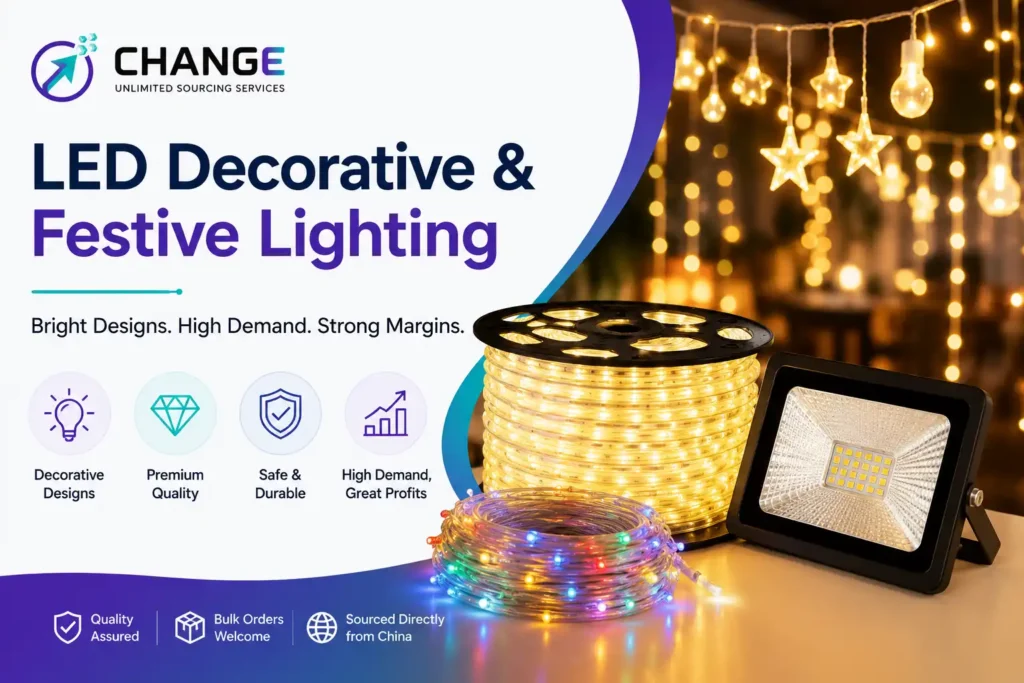
Diwali drives an estimated ₹1.25 lakh crore in annual consumer spending, with lighting being one of the top three purchasing categories.
The festival calendar means these products have two pricing regimes in the same year: off-season and peak season. An importer who orders from Zhongshan in July for October delivery captures the difference between the two.
| Sub-Product | China Price/Unit | Landed Cost (est.) | India Retail | Gross Margin |
| LED string lights (10m, 100 LEDs) | ₹170 to ₹350 | ₹255 to ₹525 | ₹499 to ₹1,299 | 40 to 59% |
| Diwali fairy lights (5m) | ₹90 to ₹190 | ₹135 to ₹285 | ₹299 to ₹699 | 45 to 55% |
| LED RGB strip lights (5m) | ₹250 to ₹585 | ₹375 to ₹880 | ₹699 to ₹1,999 | 41 to 56% |
| Solar garden lights (set of 4) | ₹335 to ₹750 | ₹500 to ₹1,125 | ₹899 to ₹2,499 | 44 to 56% |
| LED decorative diyas (set of 10) | ₹85 to ₹175 | ₹128 to ₹265 | ₹249 to ₹599 | 44 to 56% |
Gross margins in the 40 to 60% range are consistent across this table, with the ceiling rising significantly for festival-season selling, where retail prices increase 30 to 50% above off-season levels.
The solar garden lights sub-category also benefits from year-round demand beyond festivals.
- BIS required: Yes for all electrical lighting products. BIS certification for LED lighting from Zhongshan factories is well-established, and many large Chinese factories already hold Indian BIS registration.
- Best sourcing region: Zhongshan, Guangdong (global LED capital)
- Best platform: Amazon and Flipkart for string lights. Meesho for diyas and budget fairy lights.
4. Kitchen Gadgets and Space-Saving Organizers: The Viral Meesho Category
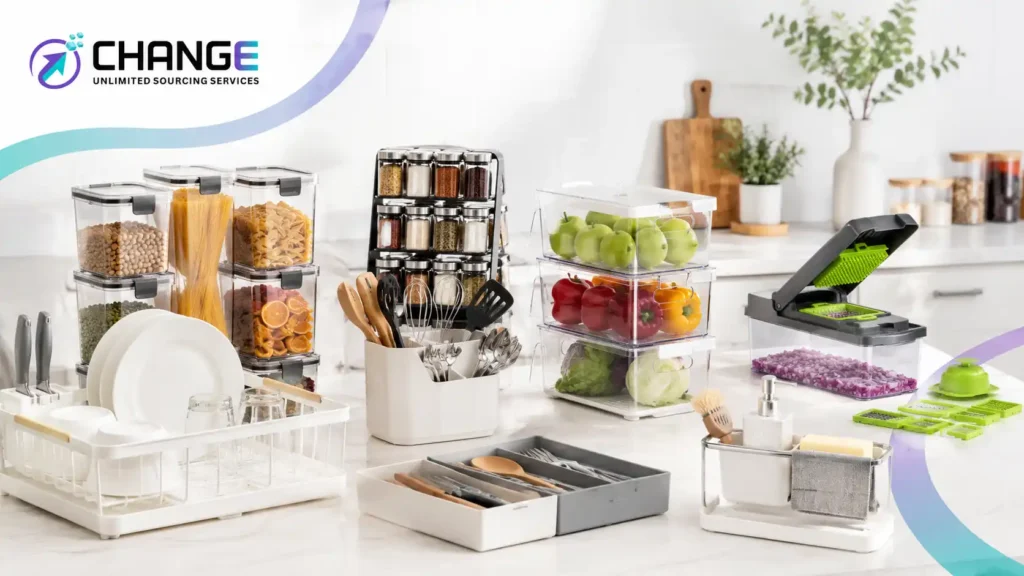
What to source: Electric vegetable choppers, portable blenders, silicone cooking tools, countertop organizers, spice rack sets, and over-sink dish drainers.
India’s kitchenware market is valued at $6.30 billion and is growing to $11.3 billion by 2033. The urban Indian kitchen is getting smaller as nuclear families in metros live in smaller apartments. Space-saving and time-saving kitchen products solve a real, daily problem.
The distribution opportunity here is layered. Meesho drives volume at ₹299 to ₹699. Instagram Reels and YouTube Shorts demonstration videos drive D2C sales at ₹799 to ₹1,999.
Quick commerce platforms like Blinkit are now stocking kitchen accessories for same-day delivery. Three distribution channels, one product category.
- Sourcing price: ₹150 to ₹600 per unit
- India retail price: ₹699 to ₹2,499
- Estimated net margin: 40 to 55%
- BIS: Required for electrical appliances. Non-electrical storage items: no BIS.
- Best sourcing region: Guangdong Province for appliances, Yiwu for storage products
India’s kitchenware market is valued at $6.30 billion and growing to $11.3 billion by 2033. The urban nuclear family in smaller apartments drives consistent demand for compact, problem-solving kitchen products.
The category also benefits from being Instagram Reels-friendly, with before/after content generating organic reach that converts directly via UPI checkout.
| Sub-Product | China Price/Unit | Landed Cost (est.) | India Retail | Gross Margin |
| Electric vegetable chopper | ₹250 to ₹585 | ₹363 to ₹790 | ₹699 to ₹1,499 | 40 to 53% |
| Portable USB blender | ₹415 to ₹835 | ₹600 to ₹1,130 | ₹899 to ₹1,999 | 32 to 43% |
| Silicone cooking tool set (5 pcs) | ₹125 to ₹290 | ₹182 to ₹392 | ₹349 to ₹899 | 44 to 52% |
| Countertop organizer (non-electric) | ₹170 to ₹375 | ₹220 to ₹460 | ₹399 to ₹999 | 43 to 55% |
| 12-jar rotating spice rack | ₹250 to ₹500 | ₹323 to ₹620 | ₹599 to ₹1,499 | 41 to 58% |
Non-electrical items like organizers, silicone tool sets, and spice racks have no BIS requirement and deliver strong margins because they are lightweight (lower shipping cost) and sell at 3x to 4x sourcing price.
Electrical gadgets like blenders have lower gross margins in the table but often achieve better absolute rupee margin per unit due to higher retail price points.
- BIS required: Yes for electrical appliances. No for non-electrical storage and silicone tools.
- Best sourcing region: Guangdong Province for appliances, Yiwu for organizers and non-electric items
- Best platform: Instagram D2C and Amazon for appliances. Meesho for organizers.
5. Beauty Tools and Personal Care Devices: Nykaa’s Fastest-Growing Segment
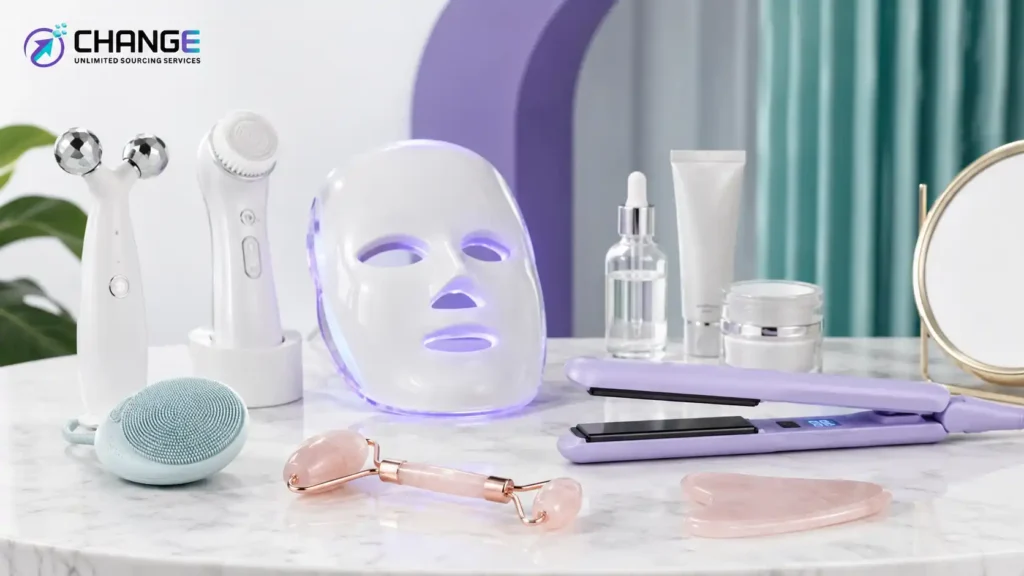
Nykaa has 200 million+ registered users, and its fastest-growing category in 2025 was beauty devices, not cosmetics.
Non-electrical tools like gua sha and face rollers deliver the highest margins in this table because they carry no BIS requirement, source cheaply, and sell at premium prices to a willing aspirational buyer.
| Sub-Product | China Price/Unit | Landed Cost (est.) | India Retail | Gross Margin |
| Electric facial cleansing brush | ₹250 to ₹540 | ₹363 to ₹740 | ₹699 to ₹1,799 | 41 to 60% |
| Hair curling wand | ₹415 to ₹1,000 | ₹600 to ₹1,360 | ₹999 to ₹3,499 | 37 to 57% |
| Gua sha face tool (non-electric) | ₹65 to ₹200 | ₹88 to ₹258 | ₹199 to ₹799 | 47 to 67% |
| LED therapy face mask | ₹670 to ₹1,750 | ₹970 to ₹2,380 | ₹1,999 to ₹5,999 | 51 to 60% |
| Eyebrow styling and tinting kit | ₹85 to ₹290 | ₹123 to ₹395 | ₹249 to ₹999 | 42 to 51% |
LED face masks show strong gross margins despite their higher price point because retail pricing on Nykaa and Amazon is premium.
Gua sha tools have the most favorable combination of low sourcing cost, no BIS, and high retail price relative to cost, making them one of the best individual products in this entire article.
- BIS required: Yes for electrical devices (facial brush, curling wand, face mask). No for gua sha and manual tools.
- Best sourcing region: Guangzhou, Guangdong
- Best platform: Nykaa and Amazon for devices. Meesho for manual tools.
6. Home Organization and Storage Products: Quick Commerce’s Replenishment Category
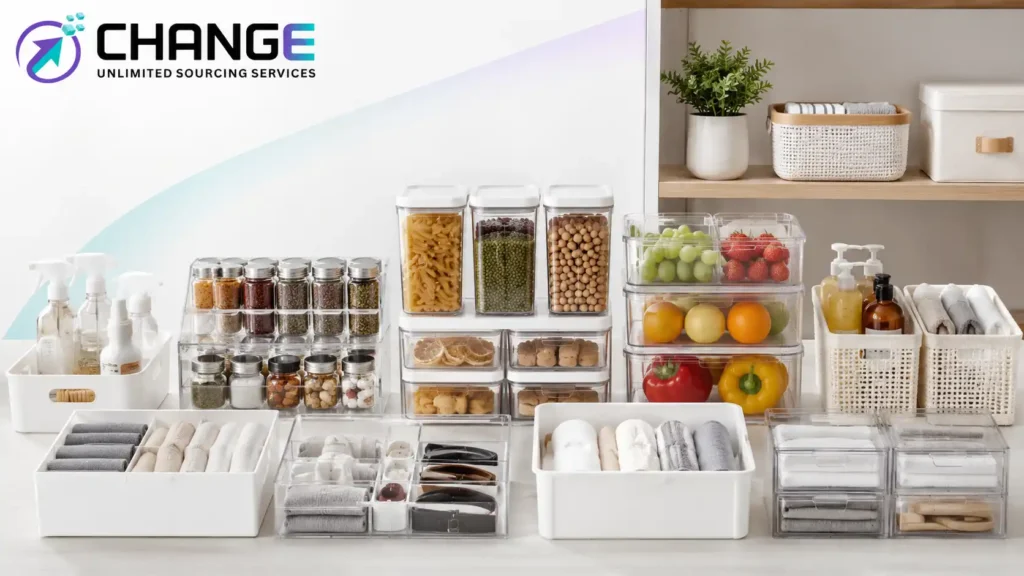
Non-electrical home storage is one of the cleanest import categories available in India: no BIS, moderate duty (approximately 25 to 30%), lightweight products, and consistent demand.
It also fits quick commerce restocking profiles perfectly. Blinkit and Zepto now stock home organization products for same-day delivery across 1,000+ pin codes.
| Sub-Product | China Price/Unit | Landed Cost (est.) | India Retail | Gross Margin |
| Drawer organizer set (6 pieces) | ₹85 to ₹210 | ₹115 to ₹270 | ₹249 to ₹599 | 46 to 54% |
| Cable management box | ₹170 to ₹375 | ₹228 to ₹484 | ₹399 to ₹999 | 40 to 52% |
| Wardrobe shelf dividers (set of 4) | ₹125 to ₹250 | ₹169 to ₹322 | ₹349 to ₹799 | 44 to 52% |
| Refrigerator storage set (4 pieces) | ₹170 to ₹375 | ₹228 to ₹484 | ₹399 to ₹899 | 40 to 46% |
| Under-shelf hanging storage rack | ₹250 to ₹500 | ₹338 to ₹645 | ₹499 to ₹1,299 | 32 to 50% |
Margins across this entire table are predictable and consistent because the products are non-electrical with no BIS requirement and no major domestic Indian competition.
The under-shelf rack shows the widest margin range because retail pricing varies significantly between Meesho (₹499) and Amazon (₹1,299) for essentially the same product, giving a seller channel flexibility.
- BIS required: Not required for any non-electrical storage products in this table
- Best sourcing region: Yiwu, Zhejiang
- Best platform: Meesho for volume, quick commerce B2B for dark store restocking
Yiwu is the most cost-effective source for this entire product category. Understanding how to access Yiwu Market pricing for Indian importers is covered in our cheapest sourcing platform guide.
7. Educational Toys and Electronic Kids’ Products: The Gift Market
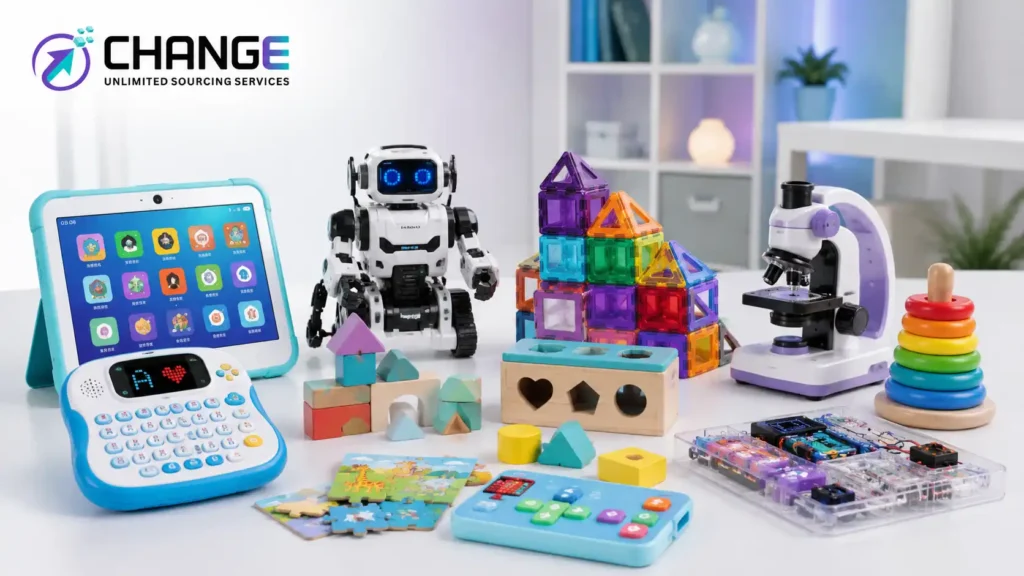
India has 300 million+ children under 14. Educational toys are among the most popular gifting categories during Diwali, birthdays, and Children’s Day.
The BIS certification pathway for Chinese toy manufacturers serving the Indian market is now well-established, with many Guangdong factories already registered.
| Sub-Product | China Price/Unit | Landed Cost (est.) | India Retail | Gross Margin |
| STEM building kit (200+ pieces) | ₹250 to ₹750 | ₹345 to ₹975 | ₹699 to ₹2,499 | 45 to 61% |
| RC car (1:20 scale, basic) | ₹415 to ₹1,000 | ₹571 to ₹1,300 | ₹799 to ₹2,499 | 28 to 47% |
| Electronic learning tablet | ₹335 to ₹835 | ₹461 to ₹1,085 | ₹799 to ₹2,499 | 42 to 57% |
| Magnetic drawing board | ₹170 to ₹375 | ₹234 to ₹488 | ₹399 to ₹999 | 40 to 51% |
| Science experiment kit | ₹250 to ₹585 | ₹344 to ₹761 | ₹599 to ₹1,499 | 42 to 54% |
STEM kits show the strongest gross margins in this table because the perceived educational value supports premium retail pricing well above the cost of the product.
RC cars show the lowest margins due to competition from established brands. Magnetic drawing boards are the safest entry point: no BIS, low cost, and consistent demand.
- BIS required: Yes for electronic toys. No for magnetic drawing boards and non-electronic building kits.
- Best sourcing region: Chenghai, Guangdong (world’s largest toy manufacturing cluster) for RC and electronic toys. Yiwu for non-electronic kits.
- Best platform: Amazon for STEM kits. Meesho for magnetic boards and basic kits.
8. Automobile Accessories: A Systematic Market Most Importers Ignore
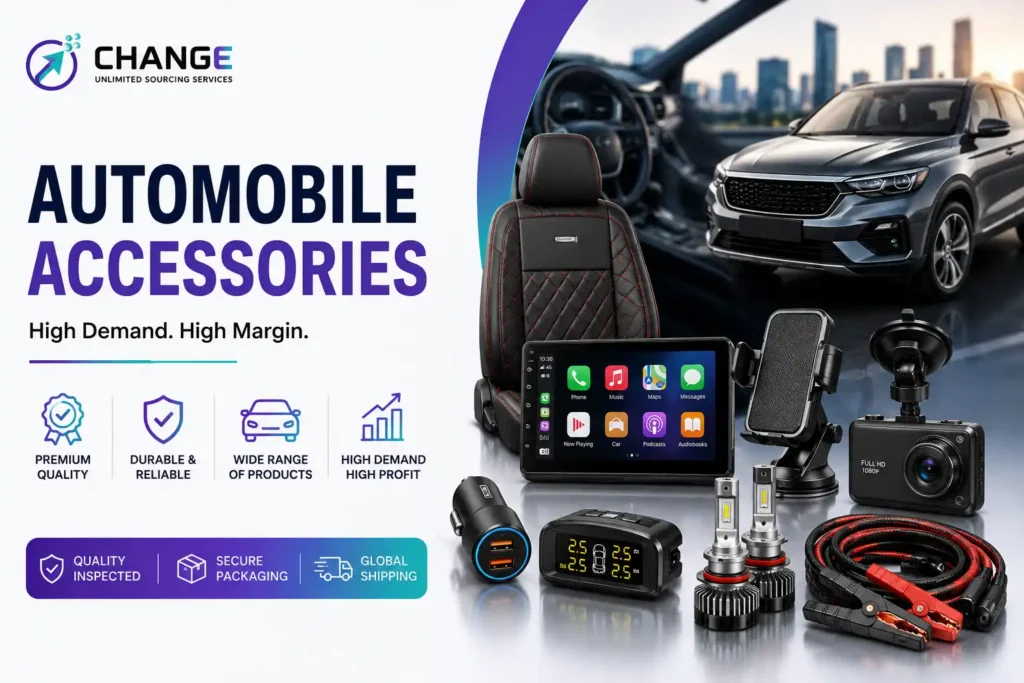
India’s automotive accessories market is valued at $3.39 billion in 2024 and growing to $4.75 billion by 2030, supported by 20 million+ new vehicle sales annually. For this category, competition from other importers is still relatively low compared to electronics or beauty.
| Sub-Product | China Price/Unit | Landed Cost (est.) | India Retail | Gross Margin |
| Magnetic car phone holder | ₹125 to ₹290 | ₹175 to ₹385 | ₹299 to ₹799 | 41 to 51% |
| Full HD dashboard camera | ₹670 to ₹1,920 | ₹940 to ₹2,560 | ₹1,299 to ₹4,999 | 38 to 48% |
| Car seat back organizer | ₹170 to ₹415 | ₹238 to ₹550 | ₹399 to ₹999 | 40 to 52% |
| 40W USB-C car charger | ₹125 to ₹250 | ₹175 to ₹332 | ₹299 to ₹699 | 41 to 50% |
| LED interior ambient light kit | ₹170 to ₹375 | ₹238 to ₹500 | ₹349 to ₹999 | 32 to 46% |
Dashboard cameras deliver the highest absolute rupee margin per unit in this table. Car seat organizers and phone holders are the easiest entry point: no BIS, consistent demand from all vehicle segments, and they sell well on both Amazon and Meesho.
- BIS required: Varies. Phone holders and organizers: no BIS. Dashboard cameras and chargers: check the specific category.
- Best sourcing region: Shenzhen and Guangdong for all electronics. Yiwu for non-electronic accessories.
- Best platform: Amazon for dashcams. Meesho for phone holders and organizers.
9. Pet Accessories: India’s Fastest-Growing New Consumer Category
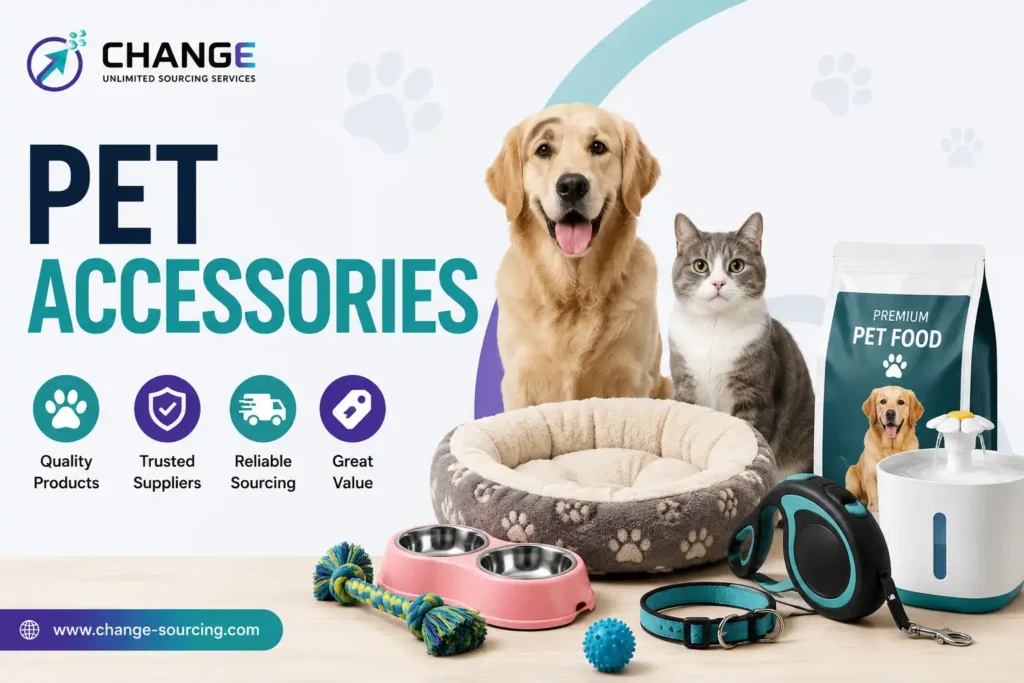
India’s pet industry is growing at 22% annually, driven by urban millennials adopting pets at record rates. The two advantages that make this category exceptional are no BIS requirement on most products and no established domestic pet accessories manufacturing to compete with.
A buyer sourcing from China faces pricing that Indian domestic manufacturers simply cannot match.
| Sub-Product | China Price/Unit | Landed Cost (est.) | India Retail | Gross Margin |
| Pet carrier bag (small, mesh) | ₹335 to ₹835 | ₹452 to ₹1,072 | ₹799 to ₹2,499 | 43 to 57% |
| Automatic pet food dispenser | ₹250 to ₹585 | ₹338 to ₹750 | ₹599 to ₹1,499 | 40 to 50% |
| Self-cleaning grooming brush | ₹85 to ₹200 | ₹115 to ₹258 | ₹249 to ₹699 | 46 to 54% |
| Interactive cat or dog toy | ₹125 to ₹290 | ₹169 to ₹374 | ₹299 to ₹999 | 43 to 57% |
| Pet bed (small to medium) | ₹415 to ₹1,000 | ₹559 to ₹1,282 | ₹899 to ₹2,999 | 38 to 57% |
Grooming brushes stand out for their combination of low sourcing price, no BIS, and consistent repeat purchase demand as they wear out over time.
Pet beds command the highest absolute rupee margin per unit. The entire category benefits from the fact that Indian pet owners are high-income, urban, and less price-sensitive than the average Meesho buyer.
- BIS required: Not required for most accessories. Check specifically for any battery-operated electronic feeders.
- Best sourcing region: Yiwu for small accessories and toys. Various Guangdong factories for carriers and beds.
- Best platform: Amazon and Flipkart for carriers and beds. Meesho for grooming tools.
10. Baby Products and Infant Accessories: 20 Million Annual Births
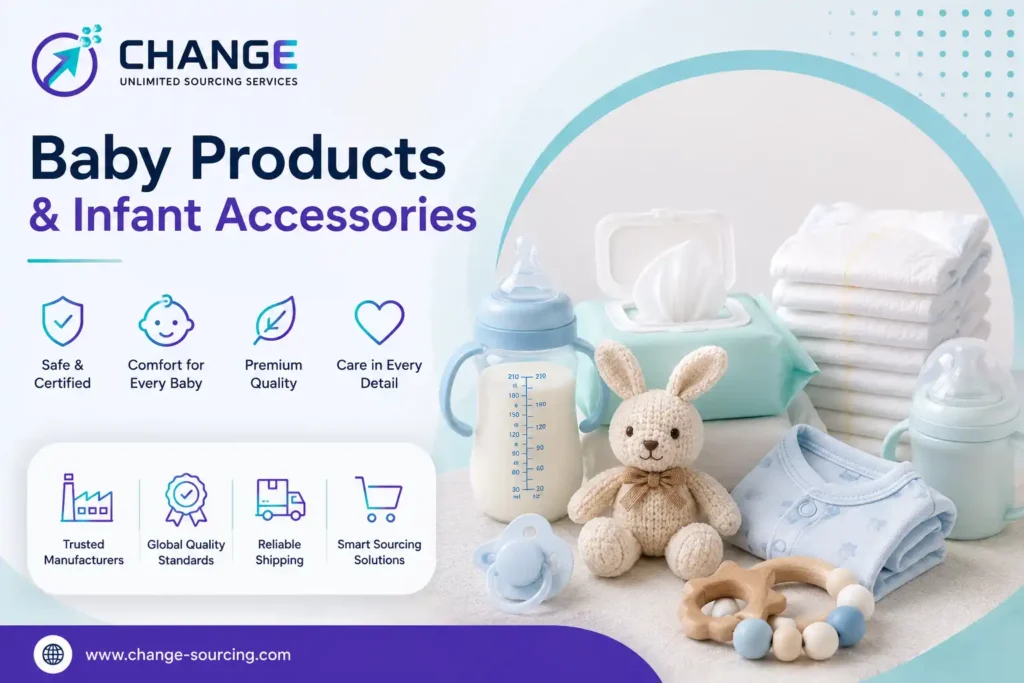
India records 20 million+ births annually. Young parents shopping on FirstCry, Amazon, and Meesho are the most research-driven consumers in the market.
They are price-sensitive but quality-conscious, making non-electrical Chinese-made baby accessories an excellent import category where BIS complexity is low, and demand is guaranteed by demographics.
| Sub-Product | China Price/Unit | Landed Cost (est.) | India Retail | Gross Margin |
| Silicone baby feeding set (4 pieces) | ₹125 to ₹290 | ₹168 to ₹374 | ₹299 to ₹999 | 44 to 56% |
| Baby food storage containers (6 pieces) | ₹85 to ₹200 | ₹115 to ₹258 | ₹249 to ₹599 | 43 to 54% |
| Teething toy set (3 pieces, BPA-free) | ₹85 to ₹200 | ₹115 to ₹258 | ₹249 to ₹699 | 43 to 63% |
| Baby nursing pillow | ₹250 to ₹585 | ₹338 to ₹750 | ₹499 to ₹1,499 | 32 to 50% |
| Baby bath accessories set | ₹170 to ₹375 | ₹230 to ₹483 | ₹399 to ₹899 | 41 to 46% |
Teething toys and silicone feeding sets deliver the strongest gross margins in this table, helped by BPA-free and food-grade positioning that justifies premium pricing far above the sourcing cost.
Ensuring BPA-free certification from the Chinese manufacturer is documented is essential before selling these in India, as parents specifically check for this.
- BIS required: Yes for electrical baby products. No for silicone feeding sets, teething toys, storage containers, and pillows.
- Best sourcing region: Various Chinese factories with food-grade silicone specialization in Guangdong and Zhejiang
- Best platform: FirstCry and Amazon for feeding and teething products. Meesho for storage and bath sets.
The Festival Calendar Sourcing Strategy
It is the single most powerful systematic advantage an Indian importer can build.
India’s festivals follow a predictable annual calendar. Each festival creates a 2 to 4 week demand surge for specific product categories.
The importer who plans China orders 3 to 4 months ahead of each festival captures two advantages: off-season sourcing prices and peak-season selling prices.
| Festival | Month | Products That Spike |
| Holi | March | Water toys, outdoor accessories, color-related novelties |
| Mother’s Day | May | Beauty tools, home organization, gifting sets |
| Raksha Bandhan | August | Gift sets, jewelry, accessories |
| Onam | September | Home decor, brass-look accessories, gifting |
| Navratri | October | Artificial jewelry, dance accessories, festive lighting |
| Dussehra | October | Toys, gifting items, and LED lighting |
| Diwali | October/November | LED lights, home decor, gifting, and kitchen accessories |
| Christmas | December | LED lights, decorations, gifting, toys |
An importer who orders LED lights from Zhongshan in July for Diwali delivery in October is working the system correctly. The same importer who orders in September pays premium rush prices and risks shipping delays.
The BIS Compliance Reality
India has issued 187 Quality Control Orders covering 679+ product categories. Without BIS registration on regulated products, your shipment is detained at the port. Goods are re-exported or destroyed. Financial penalties apply.
The practical approach for new importers: start with low-barrier categories (artificial jewelry, home storage, pet accessories, non-electrical baby products) while learning the import process.
Once you are confident in supplier relationships and logistics, move into medium-barrier categories where margins are also strong.
For electronics categories where BIS is required, always verify that your Chinese supplier already holds a valid BIS certification before signing any purchase order. Check the BIS certified products portal directly.
Products to Avoid as a First Import
For first-time importers, the safest approach is to avoid products with high duties, strict certifications, or price-sensitive local competition.
These categories can create delays, extra costs, and low margins before the business has gained important experience.
- Generic clothing and apparel: India’s domestic textile industry is protected and heavily promoted. BCD on most clothing is 25 to 35% plus IGST. India’s second-hand clothing market (charity shops and second-hand markets) in Tier-2 cities competes at price points that generic imported apparel cannot match.
- Mobile phones and laptops: BIS certification is complex, the process is lengthy, and the regulatory environment is tightening. Margins are also thin because the brand-led market (Samsung, Xiaomi, Apple) sets consumer pricing expectations that leave little room for grey-channel importers.
- Steel and metal products: Several Chinese steel categories face anti-dumping duties in India that add 15 to 30% on top of standard BCD and IGST. Combined effective duties can make these unviable.
- Food products without FSSAI: Food imports require Food Safety and Standards Authority of India (FSSAI) registration, separate from the standard import process. Shipments without FSSAI clearance are destroyed at the port.
- Solar panels: India applies a 25% BCD on solar panels specifically to protect domestic manufacturing under its production incentive program. Unlike Kenya, India does not have zero duty on solar imports.
How Change Sourcing Helps Indian Importers Access China Correctly?
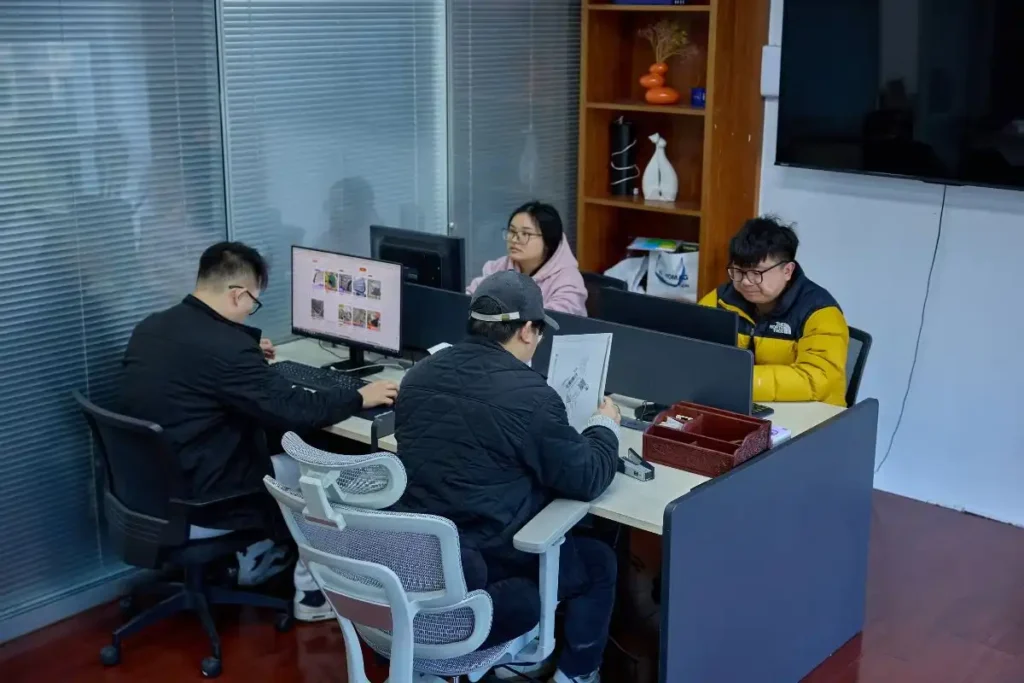
The biggest challenge for most Indian importers sourcing from China is not finding the product. It is finding a factory that already holds relevant certifications, negotiating factory-direct prices rather than Alibaba trading company prices, and managing incoming quality control before goods leave China.
Change Sourcing operates ground teams in Yiwu and Guangzhou, the two most relevant regions for Indian consumer goods importers.
Yiwu covers artificial jewelry, fashion accessories, home storage, pet accessories, and festival products. Guangzhou covers beauty tools, electronics accessories, kitchen products, and access to the Canton Fair suppliers.
For Indian importers, their service includes:
- Identifying factories that already hold BIS certification where required
- Negotiating pricing using local Yiwu and Guangzhou market benchmarks
- Conducting incoming quality control before goods leave China
- Consolidating orders from multiple suppliers into single shipments to reduce per-unit freight costs
- Managing documentation and international logistics to Indian ports
Contact the Change Sourcing team before placing your first China order and ensure your sourcing strategy is built on verified suppliers from the right Chinese manufacturing region.
Frequently Asked Questions
Phone accessories (50 to 70% net margins), artificial jewelry (50 to 70%, no BIS), LED decorative lighting, beauty tools, pet accessories, and home storage products consistently deliver the strongest margins relative to compliance complexity. The most profitable choice depends on your target market, whether that is metro India on Amazon, Tier-2 India on Meesho, or festival-calendar seasonal demand.
BIS is India’s Bureau of Indian Standards certification. India has issued 187 Quality Control Orders covering 679+ product categories. Products without a valid BIS cannot be legally imported or sold in India. Electronics (phones, laptops, power banks, LED lights), kitchen appliances, and IT equipment require BIS. Fashion accessories, artificial jewelry, home storage, and pet accessories generally do not.
India’s effective duty combines Basic Customs Duty (BCD), IGST (12 to 18%), and Social Welfare Surcharge (10% on BCD). For most consumer goods, the effective total is 25 to 40% of the CIF value. Some categories also face anti-dumping duties. Always calculate your specific landed cost using the actual HS code for your product before ordering.
Yes, particularly for products in the ₹199 to ₹499 price range. Meesho’s zero-commission model and 120 million MAU base in Tier-2 and Tier-3 India make it ideal for affordable fashion accessories, home goods, kitchen organizers, and phone accessories. Products sourced from Yiwu at ₹60 to ₹150 per unit and sold at ₹199 to ₹399 on Meesho can produce strong margins at volume.
Order from China 3 to 4 months before your target festival date. This accounts for 15 to 25 days of production, 10 to 20 days of shipping, and 7 to 15 days of Indian customs clearance, while leaving buffer time before the festival demand peak. Diwali lighting orders placed in July arrive in October for peak pricing. Festival-season retail prices are typically 30 to 60% higher than off-season prices for the same product.
Yes. An Import Export Code (IEC) issued by DGFT is mandatory for all Indian importers. It is obtained online through the DGFT portal and is a prerequisite for customs clearance at any Indian port. Alongside IEC, a GST registration is needed for commercial imports.
Avoid mobile phones and laptops (complex BIS, thin margins), solar panels (25% BCD protects domestic industry), generic clothing (high duty + domestic competition), food products without FSSAI clearance, and steel products with anti-dumping duties. Start with low-BIS categories like artificial jewelry, fashion accessories, or pet accessories to learn the import process before moving into regulated categories.
Verify the supplier’s business registration on China’s SAMR national registry, check their BIS certification status on the BIS portal, request factory audit documentation, and cross-check export records on Import Yeti. Our guide on how to find a sourcing agent in China covers how to use a professional agent to handle this verification process.
Final Takeaway
The most profitable items to import from China to India in 2026 are those that align with India’s specific market drivers, clear the BIS compliance bar without excessive complexity, and fit the distribution channels where Indian consumers actually buy.
Artificial jewelry and fashion accessories win because festivals and weddings create structural, recurring demand with no BIS barrier. Phone accessories win because India’s billion-plus smartphone users create relentless accessory demand. Pet accessories win because it is the fastest-growing consumer category with almost no compliance barrier.
The importers who consistently outperform are not those who find the cheapest products. They are the ones who match products to the right India market driver, time their orders to the festival calendar, and verify suppliers before any money moves.
Before your first China order, getting product inspection done correctly is critical. Our guide on 7 China product quality inspection tips covers what to check before approving shipment.