
Importing from China can save you a lot of money. But one bad shipment can wipe out those savings fast.
Poor quality, wrong specs, or defective products—these problems happen more than you think. And most of them are avoidable.
According to QIMA’s Quality & Compliance Index, over 30% of inspections in China reveal a failed result—meaning goods do not meet buyer standards. That is a significant risk for any business.
The good news? A smart inspection process protects you. These 7 tips will show you exactly what to do — step by step.
Tip 1: Write a Clear Product Specification Before Production Starts
A product spec is a written document that tells your supplier exactly what you want. It covers dimensions, materials, colors, weight, packaging, and labeling.
Without it, your supplier will make their own decisions. And those decisions may not match yours.
What to Include in Your Spec
- Exact dimensions and tolerances (e.g., 10cm ±0.5mm)
- Material type and grade (e.g., 304 stainless steel, not just “stainless”)
- Color codes (use Pantone references, not just “blue”)
- Functional requirements (how it should perform under use)
- Packaging and labeling details (barcode format, carton markings, inner packs)
Share this document with your inspector before the visit. It gives them a clear benchmark to check against.
Pro Tip
Include a gold sample—a physical product you approve as the standard. Your inspector compares every unit to this sample on the factory floor.
Tip 2: Pick the Right Type of Inspection for Each Stage
There is no single inspection that covers everything. Each type serves a different purpose. Use the right one at the right time.
Pre-Production Inspection (PPI)
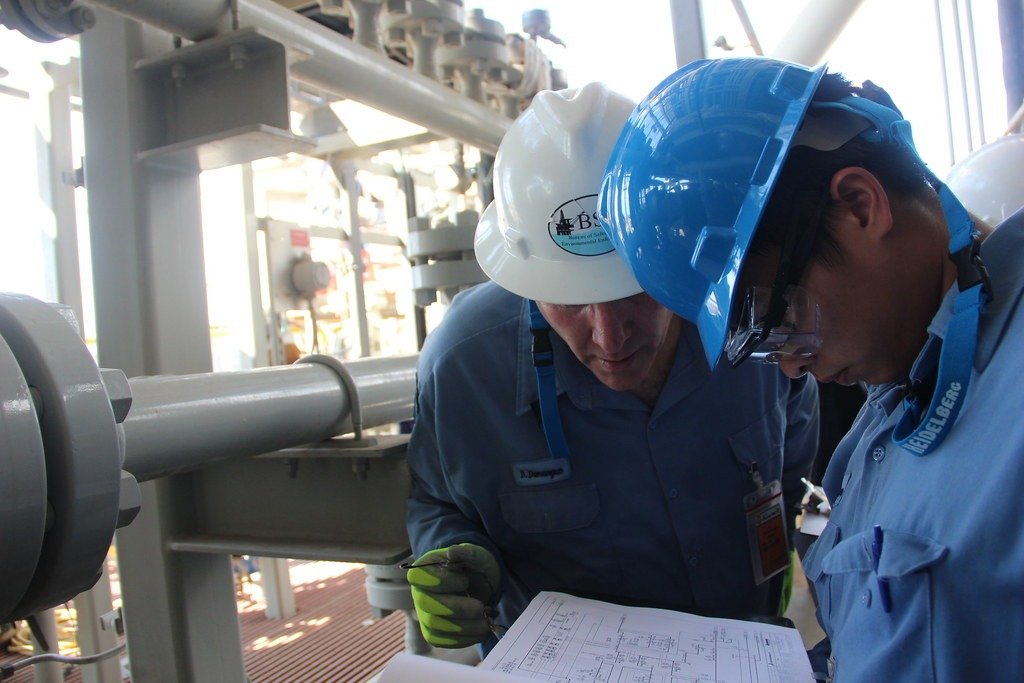
This happens before manufacturing begins. Your inspector checks raw materials and components to confirm they match your spec.
Use this for new suppliers or high-value orders. It catches problems before they multiply.
During Production Inspection (DUPRO)
This happens when 10–50% of your goods are finished. The inspector pulls random units off the line and checks them.
It is the best way to catch a quality drift early—before the whole batch is done.
Pre-Shipment Inspection (PSI)
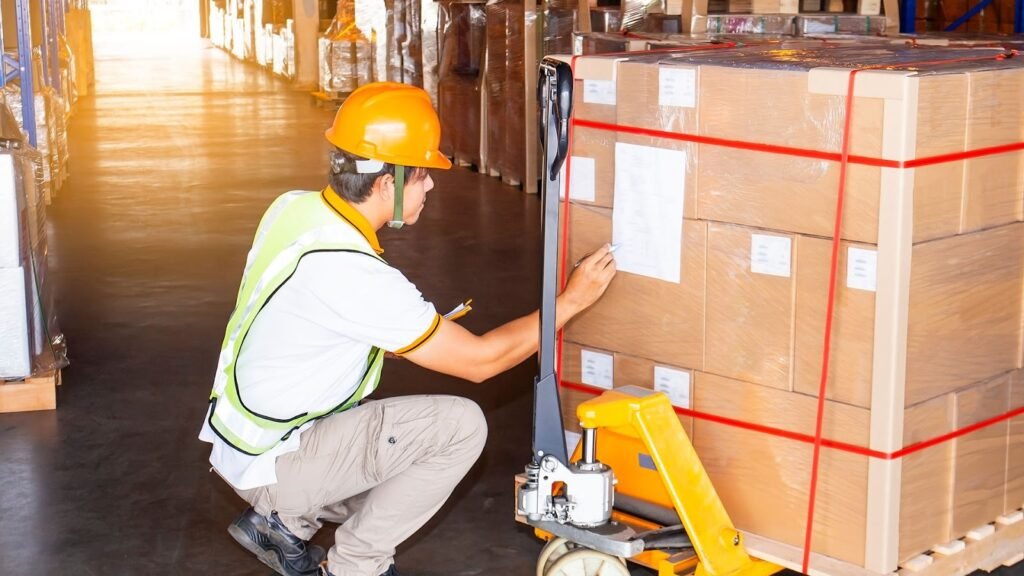
This is the most common type. It happens when at least 80% of goods are finished and packed.
The inspector checks finished products against your spec, tests functions, and verifies quantities and packaging.
Container Loading Check (CLC)
This happens as goods are loaded into the container. The inspector verifies carton counts, labels, and packing conditions.
Use this when packaging accuracy matters — for example, Amazon FBA shipments where label errors cause rejection.
Rule of thumb: For a new supplier, always run PPI + PSI at a minimum. For repeat suppliers with a clean track record, PSI alone may be enough.
Tip 3: Use an AQL Sampling Plan—Not 100% Inspection
AQL stands for Acceptable Quality Level. It is an internationally recognized sampling standard (ISO 2859-1) that tells you how many units to inspect from a batch to get a statistically valid result.
You do not need to inspect every single unit. AQL gives you confidence without the cost of 100% inspection.
Most Importers Use These AQL levels.
- AQL 2.5 for major defects — the most widely used level
- AQL 4.0 for minor defects
- AQL 0 or 1.0 for critical defects—zero tolerance applies
Your inspector will use an AQL table to determine the right sample size based on your order quantity. A typical 1,000-unit order may require inspecting around 80 units.
Tip 4: Define Your Defect Types Before Inspection Day
This is the step most importers skip. It is also the one that causes the most disputes.
If you do not define what counts as a defect—and how serious each defect is—your inspector cannot make the right call on the floor.
The 3 Defect Categories
Critical Defects
These are safety risks or legal violations. A critical defect means the product could harm the user or fail regulatory requirements.
Action: Reject the entire shipment. No exceptions.
Major Defects
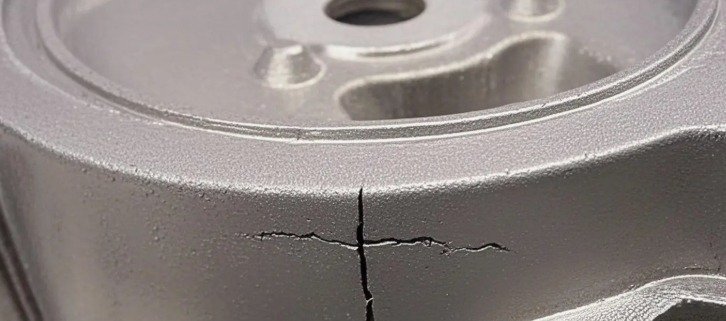
These affect the function or appearance of the product in a significant way. A customer would likely return or complain about the item.
Action: Usually grounds for rejection or mandatory rework before shipment.
Minor Defects
These are small flaws that do not affect use. A tiny surface scratch on a hidden part, for example.
Action: Acceptable within the AQL tolerance — but track them over time.
Write your defect list in your product spec document. Include photos of examples where possible. Share it with both your supplier and your inspector.
Tip 5: Always Use a Third-Party Inspector — Not Your Supplier
This is non-negotiable. Your supplier has a financial interest in passing inspection. They cannot inspect their own work objectively.
A third-party inspector works for you. They report to you. Their job is to find problems, not hide them.
Who to Use
- Global firms: SGS, Bureau Veritas, QIMA — well-known, reliable, higher price point
- Regional inspection companies: Based in China, more affordable, good for regular importers
- Full-service sourcing companies handle supplier selection, production monitoring, and inspection under one roof
If you want inspection built into your sourcing process from the start, a company like CHANGE Sourcing provides end-to-end sourcing and quality control support—so inspections are coordinated as part of your supply chain, not added on as an afterthought.
Tip 6: Budget for Inspection Costs — Before You Place Your Order
Many importers think of inspection as an extra cost. It is not. It is insurance.
A standard third-party inspection in China typically costs between USD $200 and $350 per man-day. One man-day usually covers 200–400 units, depending on product complexity.
What Affects the Cost?
- Product complexity—more checkpoints = more time
- Factory location—remote areas may carry a travel surcharge
- Inspection type—DUPRO and PPI often cost the same as PSI
- Same-day reporting fees from some agencies
Compare that to the cost of receiving a full container of defective goods. According to Flexport, a failed shipment can cost an importer anywhere from USD $5,000 to $50,000+ in rework, reshipping, or lost sales. Inspection is the cheaper option — every time.
Where to Find Suppliers
Most importers discover suppliers on Alibaba or Global Sources. Both platforms list thousands of Chinese manufacturers. But listing a supplier does not verify their quality — that is your job to do through inspection.
Tip 7: Use a Standard Inspection Checklist for Every Order
An inspection checklist removes guesswork. It tells your inspector exactly what to check—and in what order.
Without a checklist, two inspectors can visit the same factory and come back with completely different results.
Core Items Every Checklist Should Include
- Dimensions and weight—measure against your spec tolerances
- Workmanship and finish—scratches, gaps, uneven stitching, paint defects
- Functionality test — does the product work as intended?
- Color and appearance—compare to the golden sample
- Packaging and inner packs—correct quantity per carton, no damage
- Labeling and barcodes—scan every barcode; check country of origin markings
- Carton strength—drop test, stacking test if required
Tailor It Per Product
A checklist for electronics will look different from one for garments. Add product-specific checks—for example, checking battery polarity for electronics or seam strength for apparel.
Share the checklist with your supplier before production begins. That way, they know exactly what the inspector will be looking for. It reduces surprises for everyone.
Bonus: Start Your Inspection Process Before You Pick a Supplier
The best time to protect your quality is before you place the order. That means vetting your supplier first.
A factory audit — where an inspector visits the facility and reviews their processes, certifications, and equipment — gives you a clear picture of what you are working with.
What a Factory Audit Covers
- Business license and export certifications
- Production capacity and workforce size
- Quality management systems (e.g., ISO 9001 certification)
- Equipment condition and maintenance records
- Social compliance and working conditions
Companies like CHANGE Sourcing include factory auditing as part of their supplier verification process—which means you get a vetted supplier and ongoing quality oversight in one place.
Final Thoughts
Quality inspection is not a one-time task. It is a habit.
The importers who rarely face quality problems are the ones who inspect early, inspect often, and document everything.
Follow the above-discussed tips on your next order, stick to this process, and you will catch problems at the factory—not at your warehouse door.