
Private labeling lets you sell products under your own brand without manufacturing them yourself. You control the branding, pricing, and marketing while a manufacturer handles production.
The result? Higher profit margins than reselling generic products. Better brand recognition. Full control over your product line.
China remains the top destination for private label sourcing. The country has millions of experienced manufacturers, competitive pricing, and flexible minimum order quantities. But buying private label products from China isn’t as simple as finding a supplier and placing an order.
This guide covers everything you need to know. You’ll learn how to find manufacturers, compare platforms, calculate real costs, vet suppliers, manage quality control, and avoid the mistakes that trap first-time importers.
What is Private Labeling and Why China?
How Private Labeling Works
Here’s the basic model. A manufacturer produces the product using their existing design or capabilities. You add your branding to it. Then you sell it under your company name.
The manufacturer controls production, materials, and the base design unless you pay for custom modifications. You control everything else: packaging, logo, brand story, pricing strategy, and marketing.
This is different from reselling generic products. Your customers can only buy this branded version from you. That exclusivity creates brand loyalty and protects your margins.
Why Source from China?
China’s manufacturing ecosystem runs deeper than any other country’s. You’ll find suppliers for every imaginable component, material, and product category. Need packaging suppliers near your product factory? They’re in the same industrial zone.
Cost advantages range from 30% to 70% lower than domestic manufacturing for most product categories. Labor costs, raw material access, and production efficiency all contribute to this gap.
Minimum order quantities in China can start as low as 100 to 500 units for many products. Compare that to domestic manufacturers who often require 5,000+ unit minimums.
Speed to market is faster because production lines already exist. Your product doesn’t require setting up new equipment or training workers on unfamiliar processes.
Decades of export experience mean Chinese manufacturers understand international quality standards, shipping logistics, and documentation requirements. They’ve been doing this since the 1980s.
Private Label vs. White Label vs. OEM vs. ODM: What’s the Difference?
Understanding these four models prevents confusion and helps you choose the right approach for your business.
| Model | What It Means | Who Controls Design | Who Controls Branding | Best For | Example |
| Private Label | Manufacturer’s existing product with your branding | Manufacturer | You (exclusive) | Fast market entry, lower risk | Generic supplements sold under your brand name |
| White Label | Generic product sold by multiple brands | Manufacturer | Multiple brands (not exclusive) | Very low investment, testing niches | Unbranded water bottles rebranded by 10 different companies |
| OEM (Original Equipment Manufacturer) | You provide design specs, and they manufacture to your requirements | You | You | Custom products, differentiation from competitors | Your unique phone case design that no one else sells |
| ODM (Original Design Manufacturer) | The manufacturer designs, you customize slightly, and you brand | Manufacturer with your input | You | The middle ground between custom and ready-made | Modified version of their existing backpack with your color and logo |
When to Choose Each Model
Choose private label when you want to enter the market quickly with proven products. The manufacturer has already worked out production issues and quality standards.
Choose white label when you’re testing a product category with minimum investment. You’re not building long-term brand equity, but you’re also not risking much capital.
Choose OEM when you have a unique product design or patent. You’re creating something differentiated that competitors can’t easily copy.
Choose ODM when you want some customization but don’t have design resources in-house. The manufacturer does the heavy design work, and you modify details to fit your brand.
How to Find Private Label Manufacturers in China
Online B2B Marketplaces
Alibaba.com
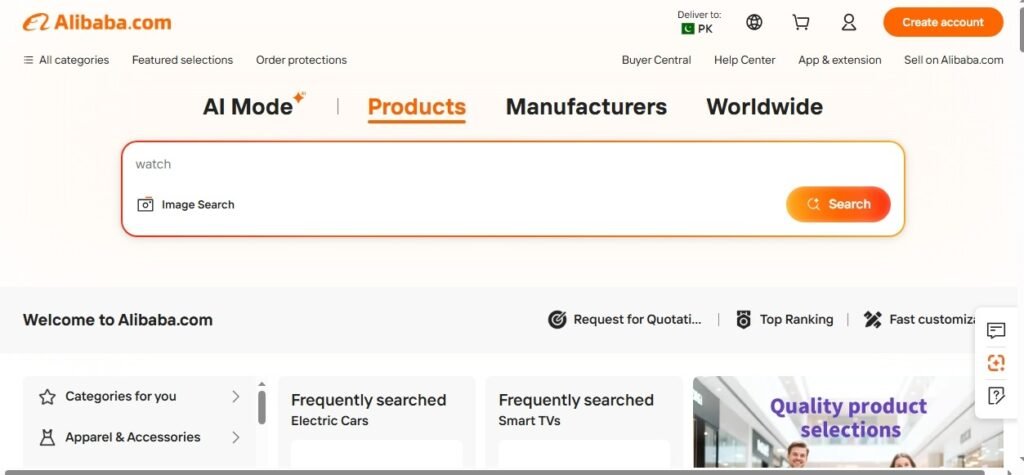
Alibaba is the world’s largest B2B marketplace. Nearly every Chinese manufacturer has a presence here. Search for your product category and add “OEM” or “private label” to your keywords.
Filter your search results by Verified Supplier, Trade Assurance, and Gold Supplier status. These badges indicate the supplier paid for verification or platform services. They’re not guarantees of quality, but they filter out some low-effort scammers.
Pros: Enormous selection, English-language support, buyer protection through Trade Assurance, and established communication channels.
Cons: Prices run 20% to 40% higher than domestic Chinese platforms. Some trading companies pose as manufacturers to add their markup.
1688.com
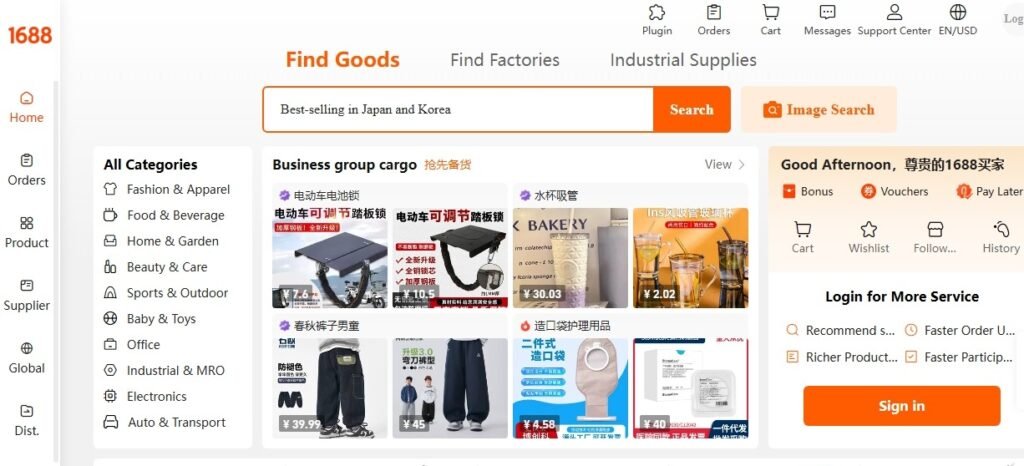
1688 is Alibaba’s domestic Chinese marketplace. It was built for Chinese businesses buying from Chinese suppliers. Prices here are true factory-direct pricing.
The entire platform is in Mandarin. You’ll need the Google Translate browser extension or a translator to navigate it. Product prices are listed in Chinese Yuan (RMB).
Pros: Prices 20% to 40% lower than Alibaba, larger supplier selection, and more direct access to actual factories rather than trading companies.
Cons: Chinese language only, domestic payment methods required (Alipay or specialized services like WorldPay for international buyers), communication difficulties without Chinese language skills, and limited buyer protection for international customers.
Made-in-China, Global Sources, DHgate
These platforms work similarly to Alibaba but with smaller supplier databases. Use them to cross-reference suppliers. If the same company appears on multiple platforms with consistent information, that’s a positive verification signal.
Trade Shows and Fairs
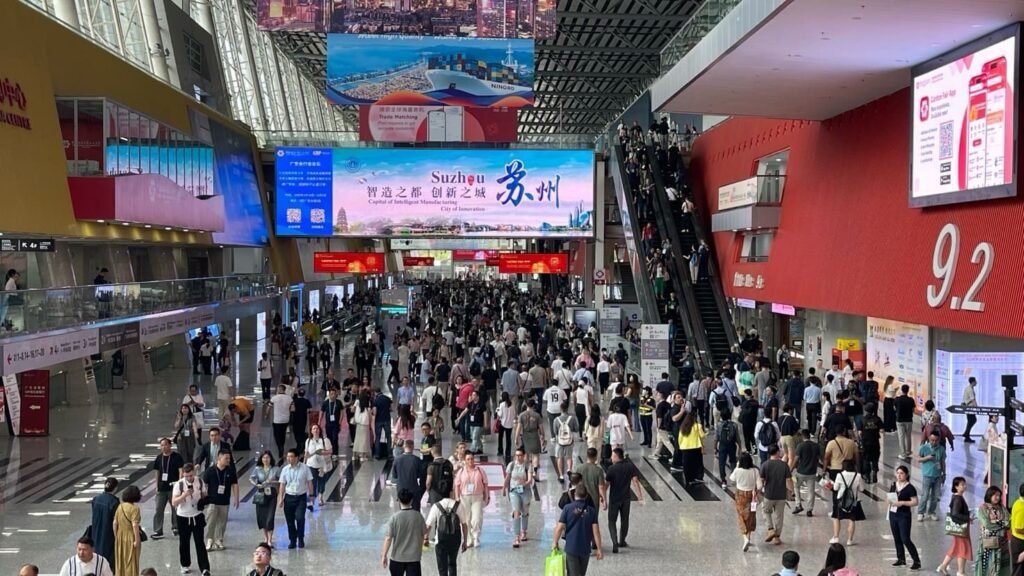
Canton Fair (Guangzhou)
The Canton Fair runs twice yearly in April and October. It’s the world’s largest trade exhibition, with over 60,000 exhibitors across three phases.
Phase 1 covers electronics, machinery, and hardware, whereas, phase 2 focuses on consumer goods, gifts, and home products. And, phase 3 handles textiles, apparel, and office supplies.
Meeting suppliers face-to-face lets you evaluate samples immediately, assess their professionalism, and build relationships for better negotiation leverage.
Registration opens three months before each fair. Book hotels early because Guangzhou fills up completely during fair periods.
Global Sources Exhibitions
Global Sources runs smaller, more specialized trade shows throughout Asia. Their exhibitions focus on electronics, mobile products, and fashion categories.
These shows attract mid-to-large suppliers rather than small workshops. Expect higher quality standards but also higher minimum order quantities.
Trade Show Advantages
You can inspect product samples in person instead of waiting for international shipping. Production quality becomes immediately obvious when you handle physical products.
Face-to-face meetings build trust faster than email exchanges. Suppliers are more likely to negotiate better terms with buyers they’ve met personally.
You’ll see multiple competitors’ offerings in one location. This helps you understand market pricing, quality ranges, and feature standards.
Trade Show Disadvantages
Travel costs add up quickly: flights, hotels, meals, and time away from your business. Budget $3,000 to $5,000 for a one-week trip.
Trade shows overwhelm first-time attendees. Navigating thousands of booths while making critical supplier decisions requires preparation and stamina.
Sourcing Agents and Service Companies
Professional sourcing agents charge 5% to 10% of the order value or a flat fee per project. They handle supplier research, factory verification, quality inspections, and logistics coordination.
Use sourcing agents when your products are complex, your order values are high, you don’t speak Chinese, or you need factory audits and quality control services.
CHANGE Commerce provides end-to-end sourcing services, including manufacturer verification, sample coordination, and quality inspections for businesses buying private label products from China.
The Step-by-Step Process for Buying Private Label Products
Step 1: Define Your Product and Requirements
Write down your product specifications before contacting any suppliers. Include exact dimensions, materials, colors, features, and performance requirements.
Set your target price point based on your intended retail price. Work backwards: if you plan to sell for $50, and you want a 60% gross margin, your landed cost can’t exceed $20 per unit.
Determine the minimum order quantity you can afford to stock and sell. Don’t overcommit on your first order. Start with 100 to 500 units if possible.
Decide what level of customization you need. Packaging and logo only? Color and material changes? Completely custom design requiring new molds?
Map out your timeline. Factor in 1-2 weeks for sampling, 2-4 weeks for production, and 2-6 weeks for shipping.
Step 2: Research and Shortlist Suppliers

Use the platforms mentioned above to find 5 to 10 potential suppliers. Don’t settle for the first one that responds.
Check their business profiles carefully. Look for years in operation (3+ years preferred), transaction volume data, customer reviews, factory photos showing actual production lines, and certifications relevant to your product category.
Red flags to watch for: stock photos instead of factory photos, prices 30% or more below market average, vague or copy-paste responses to questions, and reluctance to answer specific questions.
Narrow your list to 3 to 5 finalists who meet your requirements and seem responsive and professional.
Step 3: Send Detailed RFQs (Request for Quotation)
Your RFQ should include everything the supplier needs to give you an accurate quote. Attach product photos or technical drawings. Specify your desired MOQ and target unit price.
List all customization requirements: logo placement, packaging design, color options, and material preferences. The more specific you are now, the fewer surprises later.
Request information about their business: factory photos, certifications, references from past clients, typical lead times, and standard payment terms.
Send identical RFQs to all your shortlisted suppliers. This makes comparing quotes much easier.
Step 4: Request and Evaluate Samples
Order samples from your top 2 to 3 suppliers. Expect to pay $50 to $300 per sample, including shipping costs. This investment prevents much larger losses later.
Test each sample thoroughly. Check materials, construction quality, dimensions, weight, functionality, and packaging. Compare them against competitor products and your quality standards.
Don’t skip this step to save money or time. Photos and descriptions lie. Physical samples reveal the truth about what you’re buying.
Step 5: Negotiate Terms

Start negotiations after you’ve identified your preferred supplier based on samples.
Negotiate on minimum order quantity (try to start small), unit price (volume discounts for reorders), payment terms (30% deposit and 70% before shipment is standard), production lead time, and customization costs.
Get quotes for any custom work separately. Mold fees, setup charges, and tooling costs should be itemized, not buried in unit prices.
Step 6: Place Order with Written Contract

Never proceed without a written contract. Your agreement should specify the exact product specifications and reference the approved sample, order quantity and unit price, total order value, payment terms and schedule, production timeline and delivery date, quality standards and inspection rights, and intellectual property protections.
Use secure payment methods. Trade Assurance on Alibaba offers buyer protection. Escrow services hold funds until you confirm shipment. Letters of Credit work for large orders above $20,000.
Avoid paying the full amount upfront. Standard practice is a 30% deposit to start production and 70% after pre-shipment inspection approval, but before shipping.
Never pay into personal bank accounts. Always verify that the company bank account name matches the legal business name on their license.
Step 7: Monitor Production and Quality Control
Request progress photos at 25%, 50%, and 75% production completion. This helps catch issues early when they’re still fixable.
For orders above $5,000, hire a third-party quality inspection company to visit the factory during production. This during-production inspection (DUPRO) costs $200 to $400 but prevents shipping thousands of defective units.
Stay in regular contact with your supplier. Weekly check-ins keep you informed and show you’re actively managing the order.
Step 8: Arrange Pre-Shipment Inspection and Shipping
Before the supplier ships your order, arrange a pre-shipment inspection (PSI). An inspector visits the factory, examines your finished products, and provides a detailed report with photos.
The inspector checks that the actual quantity matches the order quantity, the quality meets your standards and the approved sample, the packaging and labeling are correct, and all customizations are properly applied.
Only authorize final payment and shipping after receiving a satisfactory inspection report.
Choose your shipping method based on urgency and budget. Sea freight takes 2 to 6 weeks but costs 4 to 5 times less than air freight. Air freight delivers in 1 to 2 weeks, but significantly increases your landed cost.
Work with a freight forwarder to handle customs documentation, import duties, and final delivery. Budget for shipping fees, customs duties based on your product’s HS code, and freight forwarder service charges.
What You Can Customize with Private Label Products
Understanding customization tiers helps you set realistic expectations and budget appropriately.
Tier 1: Packaging and Branding Only
This is the easiest and most affordable customization level. The product itself stays exactly as the manufacturer makes it. You only change the packaging and labels.
What you can add:
- Your logo printed on existing packaging
- Custom hang tags, labels, or inserts
- Branded poly bags or shipping boxes
- Thank you cards or instruction sheets
Cost impact: $0.10 to $0.50 per unit typically
Minimum order quantity impact: Usually, none. Manufacturers accept standard MOQs for packaging-only customization.
Timeline: Adds 3 to 7 days to production
Most private label beginners start here. It’s the lowest-risk way to test if your branding resonates with customers before investing in deeper customization.
Tier 2: Colors, Materials, and Minor Design Changes
This level lets you modify the product itself within the manufacturer’s existing capabilities and molds.
What you can change:
- Product colors using existing molds
- Material upgrades (standard fabric to premium fabric, plastic to aluminum)
- Minor feature additions (add a pocket, change zipper type, different stitching pattern)
- Size variations if molds already exist
Cost impact: 10% to 20% price premium over base product
Minimum order quantity impact: May increase by 20% to 50%
Timeline: Adds 1 to 2 weeks to production
This tier works when you want differentiation from competitors without the expense of completely custom tooling.
Tier 3: Custom Mold and Full Design Modifications
This is full customization. You’re creating a unique product that requires new molds, tooling, or production processes.
What you can do:
- Completely custom shapes and designs
- Proprietary features no one else offers
- Brand-specific functional elements
- Unique component combinations
Cost impact: Mold fees range from $500 to $5,000+, depending on product complexity. Some products require $20,000+ in tooling.
Minimum order quantity impact: Usually requires 1,000 to 5,000+ units to justify mold costs
Timeline: Adds 4 to 8 weeks for mold creation before production even starts
Only pursue Tier 3 customization after you’ve validated market demand. The upfront investment is too high for unproven products.
Cost Breakdown: What to Budget for Private Label from China
Real numbers help you plan accurately. Here’s what buying private label products from China actually costs.
| Cost Item | Typical Range | Notes |
| Product samples | $50 to $300 | Order from 2-3 suppliers, including express shipping |
| Minimum order quantity | 100 to 1,000 units | Varies by product complexity and customization level |
| Per-unit manufacturing cost | See category breakdown below | Depends heavily on product type |
| Custom packaging | $0.10 to $1.00 per unit | Logo printing, custom boxes, inserts |
| Mold/tooling fees (if custom design) | $500 to $5,000+ | One-time cost, amortize across multiple production runs |
| Quality inspection | $200 to $400 per inspection | Third-party PSI for orders above $5,000 |
| Sea freight shipping | $500 to $2,000 | For 1 CBM (roughly 300-500 units of small products) |
| Air freight shipping | $3 to $8 per kilogram | 4-5x more expensive than sea, use for urgent orders only |
| Customs duties | 0% to 25% of product value | Varies by HS code classification and destination country |
| Freight forwarder fee | $100 to $300 | Customs clearance, documentation, and local delivery |
Per-Unit Costs by Product Category
Simple accessories and small items: $1 to $5 per unit
Examples: phone cases, jewelry, bags, small home organizers, keychains
Apparel and textiles: $3 to $15 per unit
Examples: t-shirts, leggings, hoodies, hats, scarves, simple dresses
Consumer electronics: $10 to $50+ per unit
Examples: Bluetooth speakers, smartwatches, wireless earbuds, power banks
Home goods and kitchen items: $5 to $25 per unit
Examples: kitchen tools, organizers, storage boxes, decorative items
Real Landed Cost Calculation Example
Let’s calculate the total cost for 500 units of a $5 product:
Product cost: 500 units × $5 = $2,500
Custom packaging: 500 units × $0.50 = $250
Sample costs (3 suppliers): $200
Pre-shipment inspection: $300
Sea freight shipping (1 CBM): $800
Customs duties (assuming 10% rate): $250
Freight forwarder fee: $150
Total investment: $4,450
Per-unit landed cost: $4,450 ÷ 500 units = $8.90 per unit
If you sell these products for $30 each, your gross margin is 70%. But remember to factor in marketplace fees, storage costs, and marketing expenses for your true profit margin.
Alibaba vs. 1688: Which Platform Should You Use?
Both platforms are owned by Alibaba Group, but they serve different markets with different pricing structures.
| Factor | Alibaba.com | 1688.com |
| Language | English (international platform) | Chinese only (domestic platform) |
| Target users | International buyers | Chinese domestic buyers |
| Pricing | Export pricing (higher) | Domestic pricing (20-40% lower) |
| Minimum order quantities | Often flexible for international buyers | Sometimes stricter, varies by supplier |
| Payment methods | Credit card, wire transfer, PayPal, Trade Assurance | Alipay (Chinese payment system), requires WorldPay or a sourcing agent for international buyers |
| Buyer protection | Trade Assurance available for qualifying orders | Limited protection for international buyers |
| Supplier communication | Most suppliers speak some English | Mandarin required, or translator needed |
| Supplier type | A mix of factories and trading companies | Higher percentage of direct factories |
| Best for | First-time importers and English-only speakers need buyer protection | Experienced importers with translators/agents, cost-sensitive products, and larger order volumes |
How to Use Both Platforms Together
Start your research on Alibaba. The English interface makes it easier to understand product categories, pricing ranges, and supplier capabilities.
After identifying potential products and getting baseline pricing, search 1688 using product images or Chinese product names. Many Alibaba sellers also list on 1688 at lower domestic prices.
Compare the same supplier’s prices on both platforms. Sometimes the difference is 40% or more. Those savings might justify hiring a translator or using a sourcing service like CHANGE Commerce to handle 1688 purchases.
For your first order, Alibaba’s buyer protection and English communication usually outweigh the higher prices. Once you have experience and want to scale, 1688 becomes more attractive.
How to Vet Suppliers and Avoid Scams
Green Flags (Good Signs)
Look for these positive indicators when evaluating suppliers:
✅ Verified Supplier badge on Alibaba with 3+ years of platform history
✅ Factory photos showing actual production lines, warehouse space, and office areas
✅ Past client references you can contact directly
✅ Detailed, specific responses to your questions, not generic copy-paste replies
✅ Video call willingness to give you a factory tour
✅ Secure payment acceptance through Trade Assurance, escrow services, or Letter of Credit
✅ Transparent about limitations regarding MOQ, lead times, and customization capabilities.
✅ Relevant certifications for your product category (ISO 9001, CE, FDA, etc.)
Red Flags (Warning Signs)
Watch for these danger signals that indicate potential scams or unreliable suppliers:
🚩 Prices 30% or more below the market average for comparable products and quantities
🚩 Demands full payment upfront with no milestone structure or inspection rights
🚩 Stock photos only without factory photos or refuses video tour requests
🚩 Vague, evasive answers to specific technical or business questions
🚩 No verifiable past clients or references they won’t share
🚩 Payment to personal accounts instead of company business accounts
🚩 Urgent pressure tactics like “price only valid today” or “limited stock available.”
🚩 The English company name doesn’t match the Chinese business license name.
🚩 Recently registered business with no track record or transaction history
🚩 Refuses factory audit or third-party quality inspection
Verification Steps Before You Commit
Step 1: Check business license
Request a copy of their Chinese business license. Verify it through China’s National Enterprise Credit Information Publicity System at gsxt.gov.cn. Check that the status is active, the business scope includes your product category, and the registration information matches what they told you.
Step 2: Request factory audit report
Ask for recent third-party factory audit reports from companies like SGS, Bureau Veritas, or Intertek. These reports verify factory capacity, quality systems, and ethical labor practices.
Step 3: Order samples first
Never skip samples to save time or money. The sample quality reflects what you’ll receive in bulk production.
Step 4: Use secure payment methods
Trade Assurance on Alibaba, escrow services, or Letters of Credit all protect your payment until shipment is confirmed. Wire transfers offer zero protection, so use them carefully and only with verified suppliers.
Step 5: Require pre-shipment inspection rights
Your contract should explicitly state that you can hire a third-party inspector to examine goods before shipment. Suppliers who refuse this clause are hiding something.
Quality Control for Private Label Products
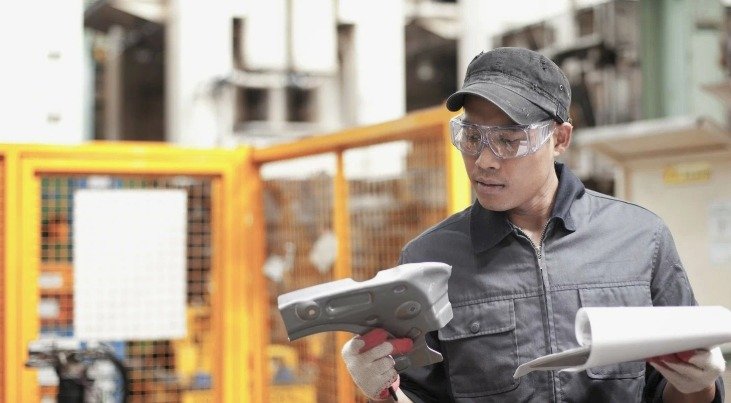
Quality control determines whether your customers receive products they love or products they return. Here’s how to manage it properly.
Pre-Production Sample (Golden Sample)
Before bulk production starts, approve a final sample that includes all specifications, materials, colors, features, and branding exactly as you want them. This becomes your “golden sample.”
The golden sample serves as the reference standard for the entire production run. If any finished unit differs from the golden sample, it’s considered a defect.
Keep your golden sample in a safe place. You’ll need it to verify quality during inspections and to reference for future orders.
During-Production Inspection (DUPRO)
For orders above 1,000 units, consider a during-production inspection. An inspector visits the factory when production is 30% to 50% complete.
This catches problems early when they’re still fixable. Finding material errors or color mismatches after 10,000 units are finished is too late.
DUPRO costs $250 to $400 but can save you from receiving an entire order of defective products.
Pre-Shipment Inspection (PSI)
This is the most critical quality control step. Schedule a PSI when 80% to 100% of your order is complete and packaged.
The inspector randomly selects units from different production batches. The industry standard is to inspect 10% to 15% of the total quantity for orders under 5,000 units.
What the inspector checks:
Quantity verification: The actual unit count matches your purchase order.
Quality assessment: Products match the approved golden sample.
Functionality testing: Products work as intended.
Packaging inspection: Boxes, labels, inserts, and branding are correct.
Dimension verification: Measurements match specifications.
Material confirmation: Correct materials were used.
You receive a detailed report with photos within 24 hours. Only authorize final payment and shipping after receiving a pass result.
PSI costs $200 to $400 for standard inspections. This investment is mandatory for any order above $3,000. The cost of one failed shipment far exceeds years of inspection fees.
Third-Party QC Companies
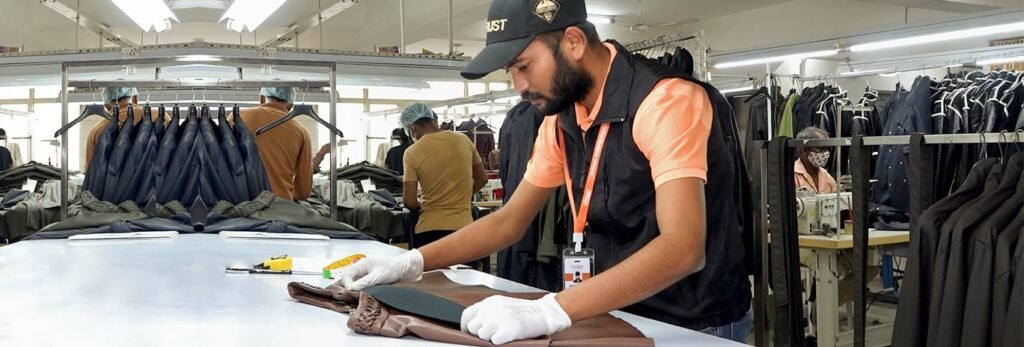
Professional inspection companies operate throughout China with inspectors in every major manufacturing region.
Major QC companies:
QIMA (Asia Inspection): Strong network across Asia, user-friendly online booking
SGS: Global presence, comprehensive testing capabilities
Bureau Veritas: Established reputation, detailed reporting
Intertek: Technical expertise, laboratory testing available
Book your inspection 1 to 2 weeks before the expected completion date. Inspectors need advance notice to schedule visits and prepare checklists based on your requirements.
Common Mistakes When Buying Private Label Products from China
Mistake 1: Skipping the Sample Stage
Some importers skip samples to save $200 and a few weeks of time. Then they receive 2,000 units of products that look nothing like the listing photos.
Photos and descriptions can be misleading. Samples reveal the truth about materials, construction, sizing, and functionality. Always order physical samples from your finalists.
Mistake 2: Choosing Based on Price Alone
The lowest price often signals the lowest quality or a potential scam. Suppliers price their products based on materials, labor, overhead, and profit margin.
When one supplier quotes 40% below everyone else, they’re either cutting corners on quality, using inferior materials, or running a scam. Target the middle 50% of the price range you receive.
Mistake 3: Not Defining Specifications Clearly
Telling a supplier you want “premium quality” means nothing. Premium to them might be different from premium to you.
Specify everything: exact materials (not just “metal” but “304 stainless steel”), dimensions with tolerances (+/- 2 mm), color using Pantone codes, weight requirements, performance standards, and packaging specifications.
The more precise your specifications, the less room for misunderstanding or cutting corners.
Mistake 4: Underestimating Total Landed Cost
Many importers calculate product cost and shipping, then forget about customs duties, freight forwarder fees, inspection costs, and packaging expenses.
These “hidden” costs can add 30% to 50% to your product cost. Calculate your complete landed cost before committing to an order. Otherwise, your profit margins disappear.
Mistake 5: Paying the Full Amount Upfront
Standard industry practice is a 30% deposit to start production and a 70% balance before shipment. Suppliers who demand 100% upfront payment are usually scammers.
The 30/70 split protects both parties. You show commitment with the deposit. The supplier ships when they receive the balance. You retain leverage to ensure quality by controlling final payment until inspection approval.
Mistake 6: No Written Contract
Verbal agreements and chat messages are not enforceable contracts. If a dispute arises, you have no legal recourse without a written, signed agreement.
Your contract should cover product specifications with reference to the approved sample, quantity, and unit price, total value, payment schedule, delivery timeline, quality standards, inspection rights, and intellectual property protection.
Get everything in writing: every promise, every specification, every timeline.
Mistake 7: Skipping Quality Inspection
“The supplier seems trustworthy, so I’ll skip the inspection to save money.” This thinking costs importers thousands of dollars every week.
Even reliable suppliers have bad production runs. Quality control issues happen. Shipping errors occur. A $300 inspection prevents a $5,000 to $50,000 loss from defective inventory.
Budget inspection costs into every order above $3,000. It’s not optional; it’s essential.
Mistake 8: Ignoring Import Regulations
Different product categories have different import requirements. Food and supplements need FDA approval. Electronics need FCC certification. Children’s products require CPSC testing.
Research your destination country’s import regulations before placing an order. Finding out your products need certification after they arrive in customs is too late.
Check with a customs broker or freight forwarder about requirements for your specific product category.
When NOT to Source Private Label from China
China isn’t always the right choice. Here’s when domestic or alternative sources make more sense for your business.
Ultra-Low MOQ Requirements (Under 50 Units)
If you can only commit to 25 or 50 units, most Chinese manufacturers won’t accept your order. Their production lines are designed for volume efficiency.
Domestic print-on-demand services or small local manufacturers can handle these tiny quantities. You’ll pay higher per-unit costs, but you’ll actually get your products made.
Speed to Market is Critical (Under 30 Days)
China production takes 2 to 4 weeks. Shipping adds another 2 to 6 weeks for sea freight or 1 to 2 weeks for air freight.
If you need products in less than 30 days total, domestic manufacturing is your only realistic option. The trade-off is a higher cost for faster delivery.
Complex Regulatory Compliance
Products requiring extensive FDA approval, medical device certification, or children’s safety testing add significant complexity and cost when manufacturing in China.
Navigating international compliance, testing in both countries, and managing documentation across language barriers can be harder than simply manufacturing domestically, where regulations are more straightforward.
Margins Can’t Support International Shipping
Low-value, high-weight products like furniture, bulk storage items, or heavy goods often cost more to ship from China than you save on manufacturing.
Calculate your complete landed cost, including shipping and duties. If the landed cost is within 20% of domestic manufacturing, domestic probably makes more sense when you factor in faster delivery and easier communication.
Need for Rapid Design Iterations
If you’re still testing and refining your product design, the long lead times from China become painful. Each design change means another 4 to 8 weeks before you see results.
Domestic prototyping and manufacturing let you iterate quickly. Once your design is finalized and you’re ready for volume production, consider China.
Conclusion
Buying private-label products from China offers significant profit potential when you approach it systematically. The cost advantages, manufacturing expertise, and customization flexibility are real.
Success requires preparation, patience, and attention to detail. Start with thorough supplier research. Order samples from multiple candidates. Verify credentials through business licenses and factory audits.
Negotiate fair payment terms that protect both parties. Use a 30% deposit and 70% balance after inspection approval. Never skip the pre-shipment inspection regardless of order size.
Calculate your total landed cost, including all fees, duties, and shipping, before committing. Budget for samples, inspections, and potential issues. The real cost is always higher than just the product price.
For your first order, start small with 100 to 500 units. Validate market demand before investing in thousands of units. Scale up as you gain confidence in your supplier relationship and customer demand.
The importers who succeed long-term are the ones who invest time in proper verification, quality control, and relationship building. Rush the process, and you’ll join the thousands who learn expensive lessons.
Frequently Asked Questions
1) How much money do I need to start buying private-label products from China?
Expect to invest $3,000 to $10,000 for your first order. This covers 300 to 1,000 units, depending on product category, sample costs, shipping, customs duties, packaging, and quality inspection. Lower costs are possible for very simple products, but budget at least $3,000 for a proper test order with all necessary verification steps.
2) What’s the actual difference between private label and white label?
Private label products are made exclusively for your brand. You control the branding and often have some design input. White-label products are generic items that multiple companies rebrand and sell. The same white-label product appears under 10 different brand names with minimal customization. Private label builds brand equity; white label doesn’t.
3) How do I verify a Chinese manufacturer is legitimate and not a scam?
Check their business license on China’s National Enterprise Credit Information Publicity System. Request factory photos of the actual production lines and verify them via video call. Order samples before bulk production. Use Trade Assurance, escrow, or Letter of Credit for payments. Hire third-party inspectors for factory audits and pre-shipment inspections.
4) Should I use Alibaba or 1688 for buying private-label products?
Use Alibaba for your first order if you only speak English and want buyer protection. Use 1688 if you have a translator or sourcing agent and want 20% to 40% lower prices. Most successful importers start on Alibaba to learn the process, then move to 1688 once they have experience and want to scale up with better margins.
5) What’s the MOQ, and can I order less than the minimum?
MOQ stands for Minimum Order Quantity. It’s the smallest number of units a supplier will accept for a single order. For private label products, typical MOQs range from 100 to 1,000 units depending on product complexity and customization level.
6) How long does it take to receive private-label products from China?
Total timeline breaks down like this: 1 to 2 weeks for sampling and supplier selection, 2 to 4 weeks for production after you approve samples and send a deposit, 2 to 6 weeks for sea freight shipping, or 1 to 2 weeks for air freight.