

A product’s quality can easily succeed or fail your business. Focusing on quality control (QC) becomes even more important when you’re sourcing goods from China, where differences in manufacturing methods can make quality consistency more challenging.
For companies that sell premium consumer products, a single product quality issue can become a threat to a brand’s reputation, disappoint customers, and create problems with retailers. That’s why focusing on quality control when buying from China is no longer optional. It’s a necessary part of any smart sourcing strategy.
In this blog, we’ll discuss what product quality control (QC) is and why it’s essential to consider when buying in China. In addition, we will explain helpful strategies to manage QC, highlight its benefits, and point out common mistakes importers often make.
What is Product Quality Control (QC)?
Quality control is the process of inspecting products at the factory before they are shipped to customers. Its main purpose is to verify:
- Condition of the goods when they are shipped from the factory
- Whether the final product matches the details agreed upon in the original order
- The overall quality of the final product
This QC inspection helps buyers confirm that the products truly meet their required criteria and comply with the standards required to sell the product in the destination country.
In short, product quality control is a process designed to prevent scams, errors, and any differences between what was ordered and what is actually delivered.
Why You can’t Overlook Quality Control When Buying from China?
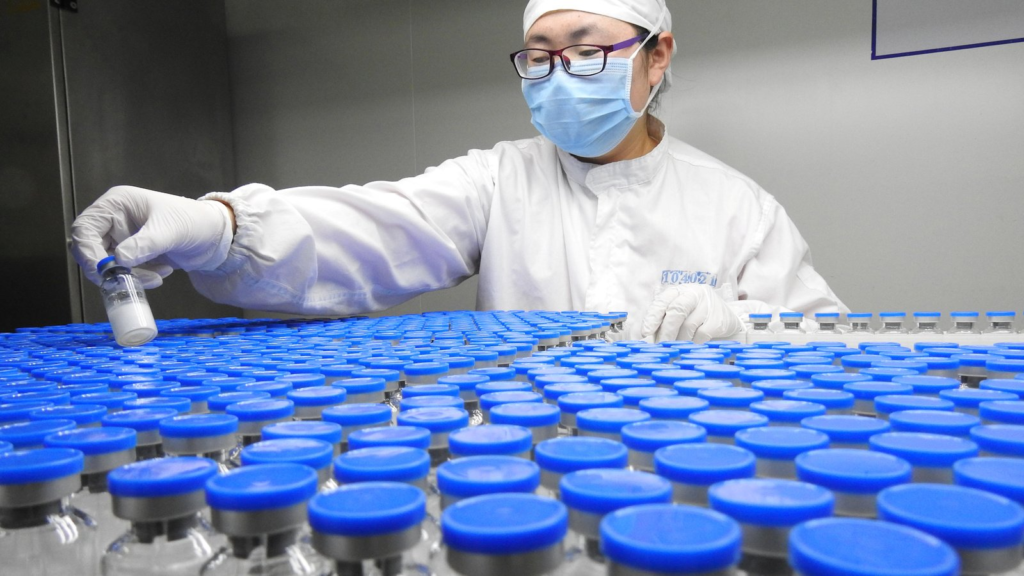
China is the world’s largest exporter, supplying products worth trillions of dollars annually to global markets. From clothing and shoes to home products and electronics, many brands in Europe and North America rely heavily on Chinese manufacturers for their supply chains.
However, producing at such a large scale also means quality can vary from one supplier to another. In some cases, sellers agree to very low prices but later manage their costs by using cheaper materials or components. This can lead to products that fall below the agreed quality standards.
When you buy products from China, the responsibility to organise quality control does not fall on the manufacturer; it’s on the importer.
This means that consumers must take responsibility for organising quality inspections at the factory or production site.
It is important to note that if the goods turn out to be defective after shipment, returning them to the supplier is usually complicated, expensive, or even impossible. That’s why conducting on-site quality control is very helpful for importers, as it identifies problems early and protects you from huge losses.
How to Wisely Manage Quality Control in China?
Managing QC in China requires more than just trusting your supplier. It demands a smart and structured strategy. Since production often involves multiple suppliers and different manufacturing stages, ignoring even minor issues can quickly cause major losses.
Therefore, you must put the right quality control systems in place to detect issues before shipment and protect yourself from any problems. Below are some steps you can follow to implement quality control standards in China:
1. Explain Your Quality Requirements
The first step in managing QC is clearly explaining your quality requirements to the manufacturer before production starts. It includes:
- Sharing the product details and features
- Explaining how much variation is acceptable
- Mentioning any specific tests the product must pass before approval
When these conditions are clarified from the beginning, manufacturers know exactly what is expected, which helps reduce misunderstandings, mistakes, and quality issues later in the production cycle.
2. Select Experienced Suppliers
One of the most straightforward ways to get high-quality goods is to work with manufacturers who have a good reputation and years of experience in producing quality products.
Before committing to a Chinese manufacturer or placing a large order, it’s important to conduct a detailed supplier audit. This helps you estimate the quality of their goods, understand their manufacturing abilities, and review their existing quality control systems.
In addition, you can go with a third-party inspection agency like “CHANGE COMMERCE.” These agents can perform random or unannounced factory audits and provide unbiased feedback, which gives you a clearer picture of the supplier’s actual performance and dependability.
3. Create a Detailed QC Plan
A quality control plan should clearly outline how product testing will be performed, at which stages of production inspections will take place, and what standards a product must meet at each checkpoint to be approved.
Below are the three main types of quality control plans that you should consider building:
- Product QC plan: Here, you should focus on mentioning your requirements for product quality, production capacity, and timely inspections.
- Process QC plan: In this plan, you can address how the manufacturer should handle and fix any issues that arise during production.
- New product QC plan: This plan is used when you are manufacturing goods for the first time. It helps the supplier understand your exact quality demands, development requirements, and delivery timelines.
4. Conduct Necessary Quality Inspections
After sharing the quality control plans with your supplier, the next step is to perform all the necessary quality checks. Here are the three types of quality inspections that every buyer should consider:
a) Pre-Production Inspection (PPI): It involves checking all the raw materials and components involved in manufacturing.
b) During Production Inspection (DUPRO): DUPRO is performed after 50% or more of the products have already been manufactured. During the inspection, quality inspectors visit the factory, pick random samples, and compare them with the pre-approved product standards.
c) Pre-Shipment Inspection (PSI): PSI, also referred to as FRI (Final Random Inspection), is conducted when the manufacturing is 100% or at least 80% complete. At this stage, the goal is to identify any major or minor defects and confirm that the products meet the agreed quality.
This final check is important to reduce the risk of receiving faulty goods and to make sure that only acceptable goods are shipped.
5. Build Strong Partnerships with Manufacturers for Better Quality
Sharing your quality requirements at the start is essential, but it‘s equally important to provide timely feedback when you notice any quality issues. QC works best when businesses maintain close communication with suppliers and resolve problems as early as possible.
Even after the first batch of goods is delivered, you should review the results, pinpoint areas that need modification, and take corrective steps to improve future production.
Who Can Provide QC Inspection Services in China?
When importing products from China, having QC inspections is essential to get high-quality goods. However, many importers are unaware of who can actually carry out these inspections.
In this section, we’ll explain who can offer QC inspection services in China and explain how each option can help you monitor product quality, reduce risks, and protect your business.
1. Manufacturers
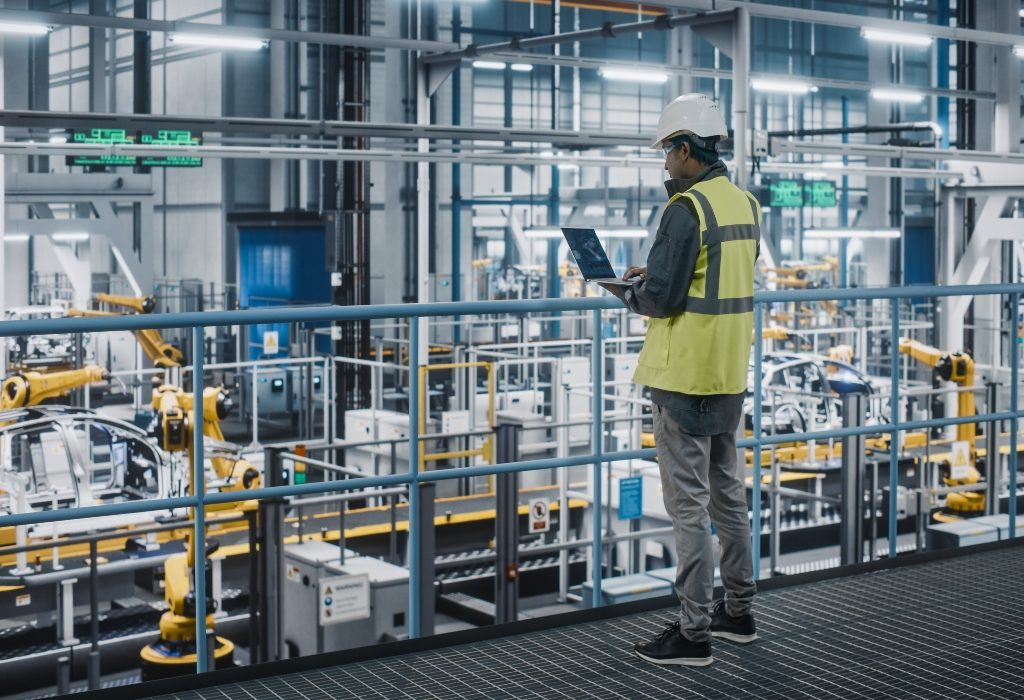
You can ask your manufacturer to carry out an internal quality check and provide a report. This option is usually less expensive, but manufacturers often prioritize their business goals over strict quality assurance.
Even though their internal QC crew is skilled and experienced, their priorities are not the same as yours.
Their main focus is to complete production and ship the goods as soon as possible. This pressure to meet deadlines can sometimes clash with maintaining consistent product quality, which may not fully protect your goods as a buyer.
2. Sourcing Partner

Hiring a trustworthy sourcing partner, like “CHANGE COMMERCE,” is another practical option. These organizations help you not only find good Chinese manufacturers but also assist in conducting quality checks.
Sourcing partners usually work on a commission basis and aim to maintain long-term relationships with clients, which means you can generally trust their assessments of product quality.
In addition, because they have established connections with many manufacturers, they can use these relationships to help you get better outcomes and secure better deals.
3. Third-party Inspection Agencies
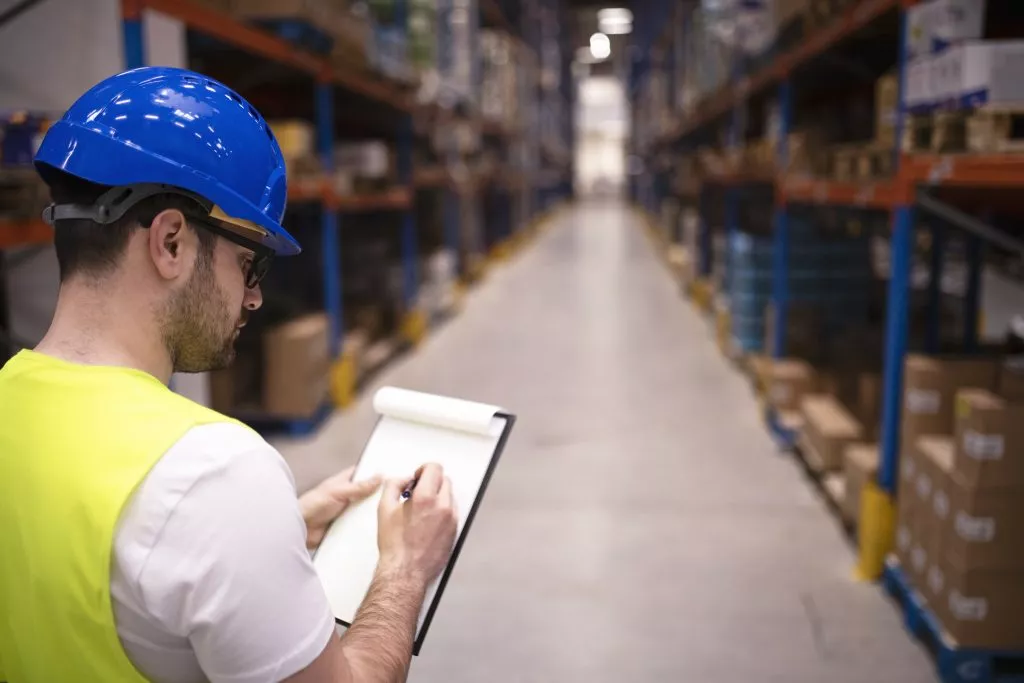
Another option is to hire a third-party inspection company in China to perform quality control inspections according to your requirements. Since these companies are independent and not employed by the supplier, they view the manufacturer objectively and impartially.
However, this doesn’t mean you should leave the entire process in their hands. It is advised that you work closely with them and receive timely updates so that inspection procedures follow your quality standards.
4. Self-inspection
Self-inspection means the buyer personally manages everything to check product quality rather than relying on the supplier or a third party. You can always hire a crew to visit China and do quality inspections.
However, it can cost a huge amount. These costs include training staff to understand QC standards, paying for their stay, and covering travel expenses such as flights and local transport.
All of these additional expenses will increase your overall import charges.
Therefore, it’s better to prefer a quality control agency in China. You should hire a Chinese QC company under the following situations:
- If you don’t have time to visit the location physically, you should hire someone who can conduct a quality inspection for you.
- Working with professionals is generally recommended if you do not know how to do QC.
- You’re sourcing your goods from China for the first time.
Benefits of Quality Inspections for High-End Brands

When it comes to high-end or well-known brands, quality control becomes even more important because a single mistake can cause them massive damage. Implementing structured QC services in China can deliver various advantages, including:
- Brand Protection: Delivering high-quality products builds trust with both retailers and e-commerce customers.
- Lower Returns: Shopify reports that 20 to 30% of online returns result from defective or low-quality products. Strong quality control greatly reduces these losses.
- Supply Chain Resilience: Working with dependable suppliers and using clear inspection data improves decision-making and supply chain reliability.
- Financial Protection: Quality inspections help prevent delays, rework, and unnecessary logistics costs, which protect overall profit margins.
Conclusion
Implementing strong quality control when sourcing from China is necessary for secure and profitable purchasing. By thoroughly examining goods, verifying suppliers, and monitoring production processes, you can reduce risks, prevent costly mistakes, and protect your brand reputation.
Remember, following best strategies in QC not only protects your investment but also builds confidence in your supply chain and enables your business to thrive in the global market.