

Therefore, without proper knowledge and precautions, buyers can easily fall into scams that result in poor-quality products, financial loss, or missed deliveries.
We have created this detailed guide to help you explore the market safely, choose products wisely, and minimize risks when dealing with manufacturers. So let’s get started.
Why Does China Dominate the Global Sourcing Market?
China dominates the global sourcing market because it can produce almost every type of product, from household items to industrial machinery, all in one place.
This allows buyers to source multiple goods from a single country, which saves time, effort, and logistics costs.
Another benefit of sourcing from China is the availability of budget-friendly goods. Chinese manufacturers benefit from large-scale production, well-developed supply chains, and access to inexpensive raw materials.
These characteristics largely reduce production costs, which leads to lower prices without compromising quality. For startups and small businesses, this cost advantage helps improve profit margins and the ability to compete in the market.
China also contains a highly progressive manufacturing infrastructure. Decades of experience in mass production, professional labor, and advanced machinery allow factories to meet international quality standards and manage both small and large order quantities.
Many Chinese manufacturers offer flexible customization, product modifications, and private labeling to attract international businesses seeking to create unique or branded products.
Furthermore, this country has a strong export ecosystem. China possesses well-established ports, logistics networks, and shipping options that facilitate smooth and fast international trade.
Most Chinese suppliers are experienced in managing export documentation, compliance requirements, and global shipping procedures, which lowers complications for foreign buyers.
Lastly, China’s continuous innovation and flexibility keep it ahead in the global sourcing industry. The manufacturers here quickly adopt new technologies, follow the latest market trends, and modify their production methods to meet international demands.
This capability to scale, innovate, and deliver consistently is the reason why China remains the best choice for global sourcing and a preferred partner for businesses worldwide.
How to Avoid Scams When Buying from China: 9 Important Points
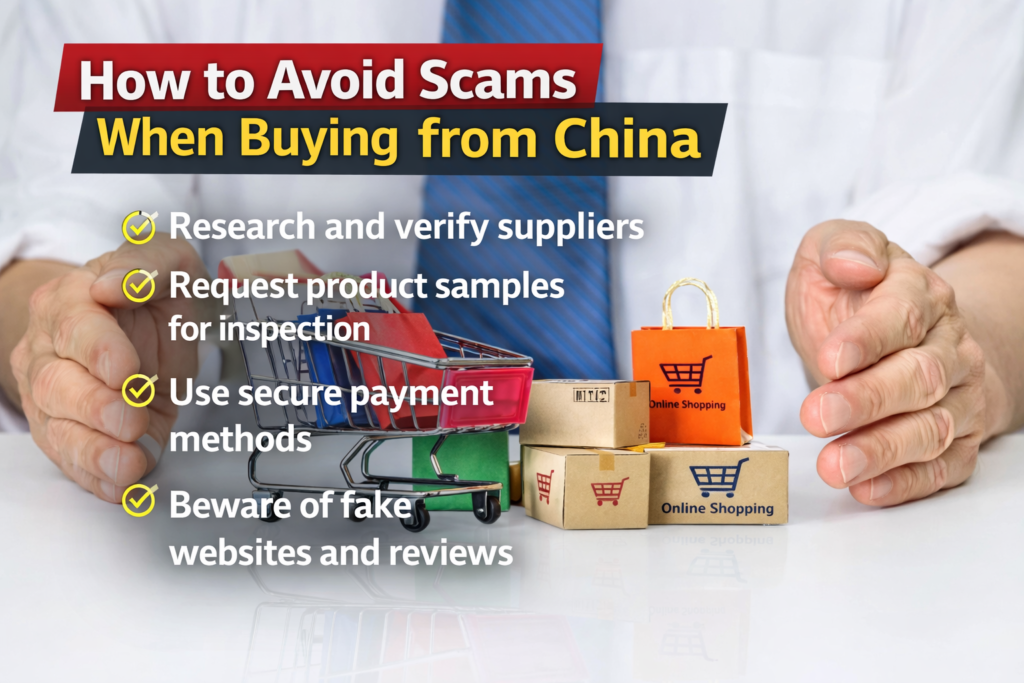
Importing products from China can be a great choice due to its unmatched manufacturing capability, lower operational costs, and product multiplicity. However, it comes with hidden risks that many buyers overlook.
Here, you can encounter many fake trading companies and misleading product listings. In simple words, scams can occur at any stage of the sourcing process if proper precautions are not taken.
That’s why learning how to avoid scams buying from China is essential to protect your money and experience a safe, successful purchase.
Below, we have mentioned some scam tactics and smart verification methods to help you build long-term, trustworthy business relationships with Chinese suppliers.
1. Fake Suppliers
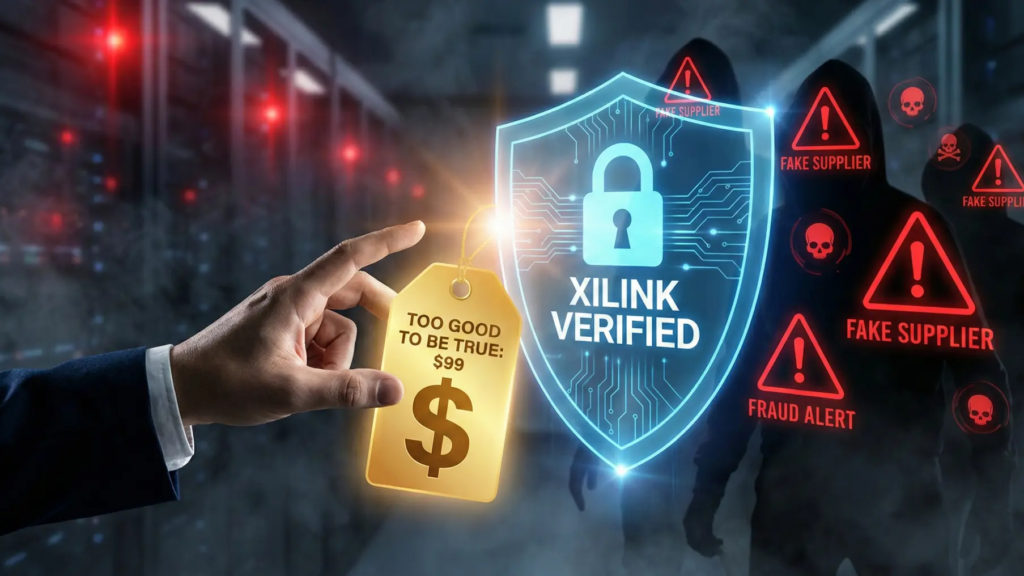
Some suppliers are not what they show themselves to be. Let’s suppose you find an online Chinese supplier, their website looks legit and professional, their product’s prices are tempting, and you become happy thinking you have hit the jackpot.
You choose the goods and make the payment excitedly. After a few days, you received nothing, got no response, and the supplier vanished like he never existed. By the time you realize it, you’ve already been scammed by a fake supplier.
How to Pinpoint and Avoid Fake Suppliers:
- Make sure they’re legitimate: Check the supplier’s business registration and certificates for confirmation.
- Hire a sourcing agent from China: Chinese sourcing agencies, like “CHANGE Sourcing,” can help verify the manufacturer and even visit the factory on your behalf.
- Conduct on-site visits: Visit the supplier’s factory yourself or hire a trusted inspection agency.
- Ask for references: Request references of their past clients and contact them for feedback.
- Use verified platforms: Marketplaces such as Alibaba and Global Sources have verified suppliers, which reduces the risk of scams.
2. Quality Scams
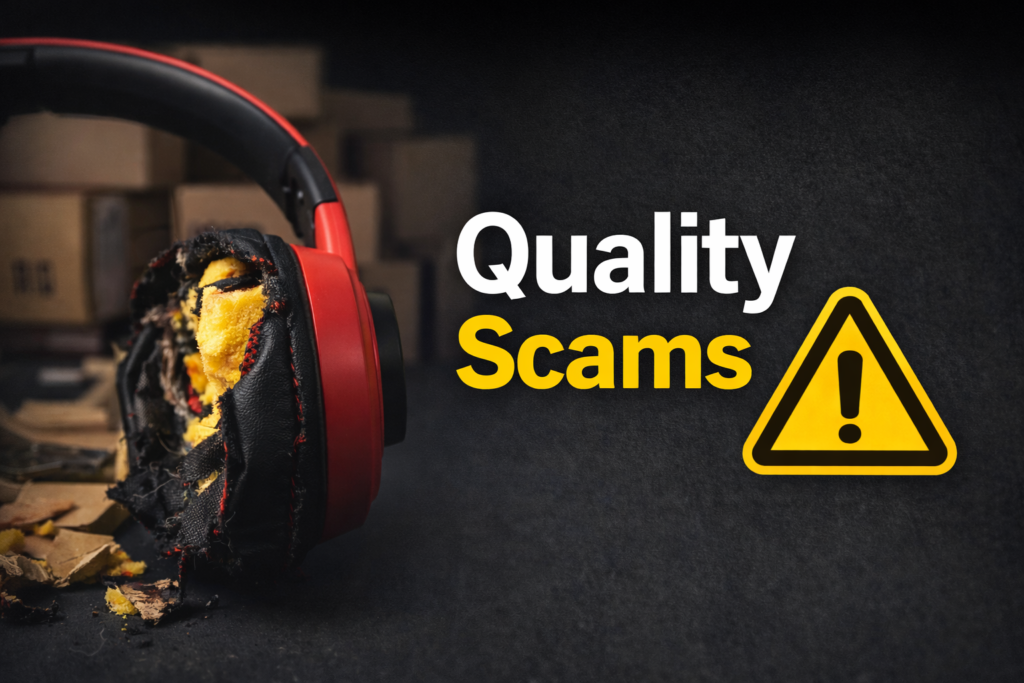
This one is really frustrating. They show you a sample that seems perfect, but when you receive a bulk order, the quality doesn’t match your expectations. This is a bait-and-switch trick that is unfortunately very common.
How to Avoid:
- Must go with inspections: Perform pre-production, mid-production, and post-production inspections.
- Hire a third-party quality control service: Instead of trusting the supplier, hire the CHANGE sourcing agency to inspect the product’s quality.
- Create a contract: State the quality standards and specify penalties for non-compliance.
Note: When sourcing products from China, inspecting samples is your must-have weapon.
But here’s the catch: don’t just rely on the product samples that the supplier gives you. They are often the best picks from what they have. Therefore, you should randomly select samples from their inventory or production line to get an exact idea of the overall quality.
If you can’t visit the factory personally, it’s good to go with a trusted sourcing agency.
3. Low-Cost Scams
There’s a common saying: “When an offer looks unrealistically cheap, it usually comes with a catch.” This fits well when you source from China. Usually, scammers lure buyers with very low prices, then they add hidden charges later or send low-quality products.
How to Avoid this Trap:
- Do good research: Understand the average price of your product category so you can spot costs that seem suspiciously low.
- Request for a detailed quotation: Ensure it includes all relevant details, such as raw materials, packaging, labor, shipping, and taxes.
- Get expert help: An experienced sourcing agent can identify pricing scams and help you negotiate a fair deal.
- Be aware of extremely low prices: If a price sounds too cheap, it’s a warning sign.
4. Intellectual Property (IP) Theft
This can be a nightmare, especially if your product has a unique design, logo, or idea. A dishonest manufacturer could copy your product design or sell it to other buyers without your permission. This can also damage your business reputation.
How to Protect Your IP:
- Register your IP in China: Register your trademarks or patents in China. Don’t assume your trademarks from your country will automatically protect you in China.
- Use NNNs: Before sharing sensitive details, ensure the supplier signs a Non-Disclosure, Non-Use, and Non-Circumvention Agreement (NNN agreement). This agreement prevents them from disclosing, using, or bypassing your shared information.
- Work with a reputable sourcing agency: Partnering with a trustworthy China sourcing agency can also help you manage these legal matters safely and minimize the risk of IP theft.
5. Payment Fraud
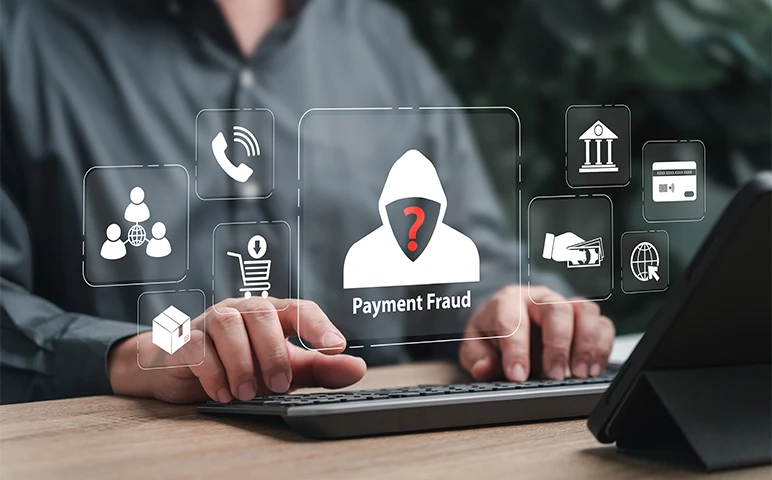
Some scammers pretend to be legitimate suppliers or hack into their emails. They may ask you to send payments via unsafe or unofficial channels to divert your payment to the wrong account. Once the payment is done, it becomes very hard or impossible to get it back.
How to be Smarter Than the Scammers:
- Always double-check payment details: If you receive an email or text stating the payment account has changed, call the supplier or confirm account details through official communication channels before sending any money.
- Use safe payment options: Prefer secure options such as escrow services or letters of credit.
- Don’t go with a full upfront payment: Set a payment structure or split payments to lower risk.
6. Middlemen Posing as Manufacturers
Some so-called ‘suppliers’ are actually middlemen acting as manufacturers. They pass your order to third parties, which often results in higher costs and poor-quality products.
How to Verify Genuine Manufacturers:
- Ask technical questions: Question about how the product is manufactured. If the supplier can’t clearly explain their manufacturing method, it’s a sign that they are probably not the real manufacturer.
- Request a factory audit: A professional audit helps confirm whether the supplier truly produces the goods they claim to offer.
Bonus Point: Don’t depend only on emails or phone calls. Request a video call and ask for a virtual factory tour. A genuine manufacturer will usually be comfortable showing you their manufacturing, machinery, and employees, which proves their credibility.
Remember: if a manufacturer hesitates or resists when you request a video factory tour, it’s a massive warning sign. It’s understandable if they’re actually busy or have internet problems once in a while, but if they continue to make excuses or completely avoid the video tour, they must be hiding something.
Video calls are the best way to save yourself from scams and confirm that the supplier is legit. If you can’t arrange these calls personally, the CHANGE sourcing can help. We can contact the supplier, arrange video calls, and ensure everything is genuine before you move forward.
7. Ghost Factories
Ghost factories are those fake factories that only exist online. Scammers create fake websites, use fake addresses, and stock photos to fool buyers into believing they’re legit.
How to Identify Them:
- Request a video call: if they hesitate, they are fake.
- Look for Independent Reviews: Check reviews from other buyers. Some forums and sourcing websites often reveal the truth about a supplier.
- Get on-the-ground assistance: A local Chinese sourcing agency can verify the factory in person.
8. Delivery Fraud
You can encounter delivery fraud while sourcing products from China. Suppliers may delay your order indefinitely or send incorrect quantities after taking your payment. They keep delaying the shipment again and again, using excuses such as customs problems, factory issues, or holidays.
How to Avoid it:
- Add delivery terms in the contract: Mention delivery deadlines and penalties for late shipments.
- Monitor your order: Request tracking details and proper shipping proof for every order.
- Work with freight forwarders: A trusted logistics partner can help you manage shipping safely without any risk.
9. False Certifications
Some scam suppliers use fake certificates to claim their goods meet international quality and safety standards. These credentials may look original, but they’re not approved by official authorities. This is a trick to gain buyers’ trust and place orders.
How to Confirm Details:
- Verify certificates: Cross-check credential details with issuing authorities.
- Request samples: Ask for samples and test products personally to ensure that they follow quality and safety rules. You can also ask your sourcing agency for product inspection and credentials confirmation.
- Hire certification experts: Seek help from professionals to verify claims.
By following the points discussed above, you can protect yourself from falling for fraudulent suppliers and experience a successful shipment from China.
If you’re looking for a trustworthy and professional China sourcing agency, “CHANGE Sourcing” is here to help. We support you at every step, from supplier verification to quality control and secure shipping, so you can source with confidence and focus on growing your business.
FAQs

1. What are some of the best Chinese websites to buy from?
Ans: Some good websites are Alibaba, AliExpress, Taobao, Global Sources, 1688 app, Tmall & JD, Made-in-China, Weidian (微店), and DHgate.
2. Are Chinese websites trustworthy?
Ans: Yes! Buying from China can be safe as long as appropriate precautions are taken. China hosts numerous large, reputable manufacturers that supply high-quality goods to well-known international brands.
3. How to avoid scams buying from China?
Ans: To avoid scams, you need to verify suppliers via reviews, ratings, their business registration, and certificates. Besides, it is recommended to hire a third-party agency for supplier verification, product quality inspection, and factory audits.
Conclusion
Sourcing from China can be a profitable option when done in the right manner. It’s essential to understand common risks, verify suppliers, and take proper precautions to avoid scams and protect your investments.
With smart planning and the right support, buying from China can become much easier and more reliable, and be the best option for sourcing.