
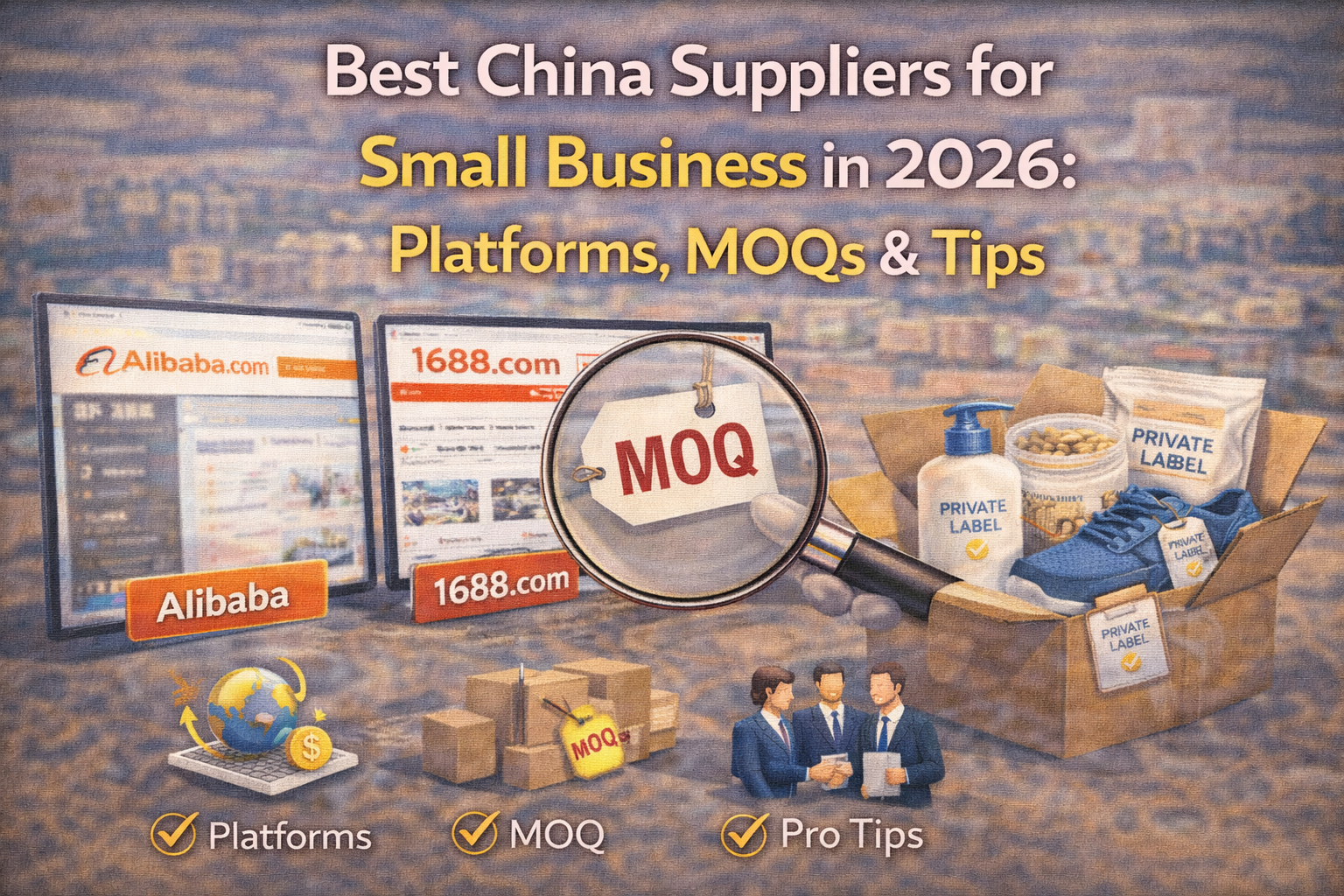
Most small business owners lose money at the sourcing stage—not because Chinese suppliers are unreliable, but because they start on the wrong platform. They either overpay on a consumer-facing marketplace or get stuck dealing with a factory that has no interest in small orders.
The good news? China remains the world’s largest exporter and is responsible for nearly 14% of total global exports. For small businesses, that means access to millions of products at prices no other region can match — if you know where to look.
This guide breaks down the best China supplier platforms for small businesses, explains what to look for before placing a single order, and gives you a clear process to vet any supplier you find.
By the end, you’ll know exactly which platform fits your budget, your product type, and your level of experience.
What to Look for in a China Supplier as a Small Business
Before you open any platform, it helps to know what actually makes a supplier worth working with. The cheapest option is rarely the best one, especially when you’re building a brand from scratch.
Here are the key factors every small business owner should evaluate:
Minimum Order Quantity (MOQ)
MOQ is the smallest number of units a supplier will sell per order. For small businesses with limited capital, this is often the first barrier.
Some platforms are built for bulk buyers only — 500 units minimum. Others let you start with a single item.
Always confirm MOQ before you get deep into any supplier conversation. A supplier with a low MOQ and decent quality is far more valuable to you at this stage than a factory offering rock-bottom prices on 1,000-unit minimums.
Verified Supplier Status
Every major B2B platform has some form of supplier verification — a badge, certification, or audit that tells you the business is real and registered. Look for this before you reach out.
Verified suppliers have typically submitted their business license and passed a basic background check. They aren’t guaranteed to be perfect, but they are far less likely to be scams.
Secure Payment and Buyer Protection
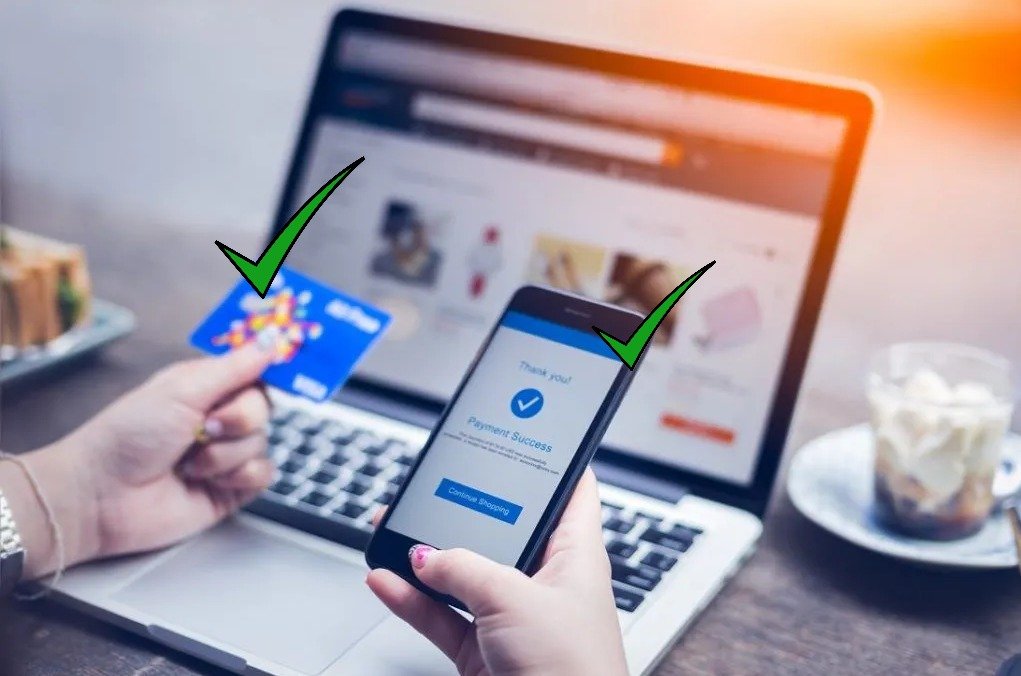
Never pay by wire transfer on a first order. It’s a one-way street — once the money leaves, it’s gone. Use platform-native payment protections like Alibaba’s Trade Assurance or DHgate’s escrow system.
These tools hold your payment until you confirm the goods have arrived and meet your specs. It’s a small but critical safeguard when you’re working with a new supplier for the first time.
Sample Policy
Any supplier worth your business should be willing to send a sample. Budget somewhere between $30 and $100 for this step. Yes, it slows things down. But it’s the single best way to verify quality before committing to a full order.
If a supplier flat-out refuses to send samples or tries to charge you $300 for one unit, move on. That’s a red flag.
The 6 Best China Supplier Platforms for Small Businesses
Not every platform is built with small businesses in mind. Some cater to importers placing million-dollar orders. Others are perfect for entrepreneurs testing their first product with $200.
Here’s a breakdown of the six platforms that actually work for small business owners, with honest pros, cons, and use cases for each.
1. Alibaba — Best All-Round B2B Platform
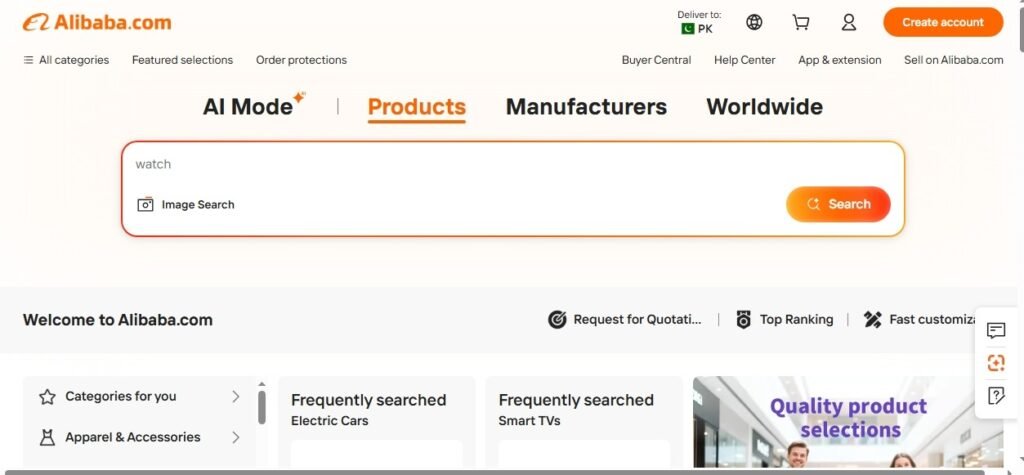
Alibaba is the world’s largest B2B marketplace. It connects buyers with manufacturers and trading companies across every product category you can think of — electronics, fashion, home goods, sporting equipment, and more.
For small businesses, the sweet spot is private label sourcing. You find a manufacturer, customize the product with your branding, and sell it under your own name. Alibaba’s Trade Assurance program protects your payment if the supplier doesn’t deliver.
Best for: Businesses ready to spend $300 or more per order and interested in building their own brand.
MOQ: Varies by supplier, typically 50–500 units | Buyer Protection: ✅ Trade Assurance
2. AliExpress — Best for Beginners and Product Testing
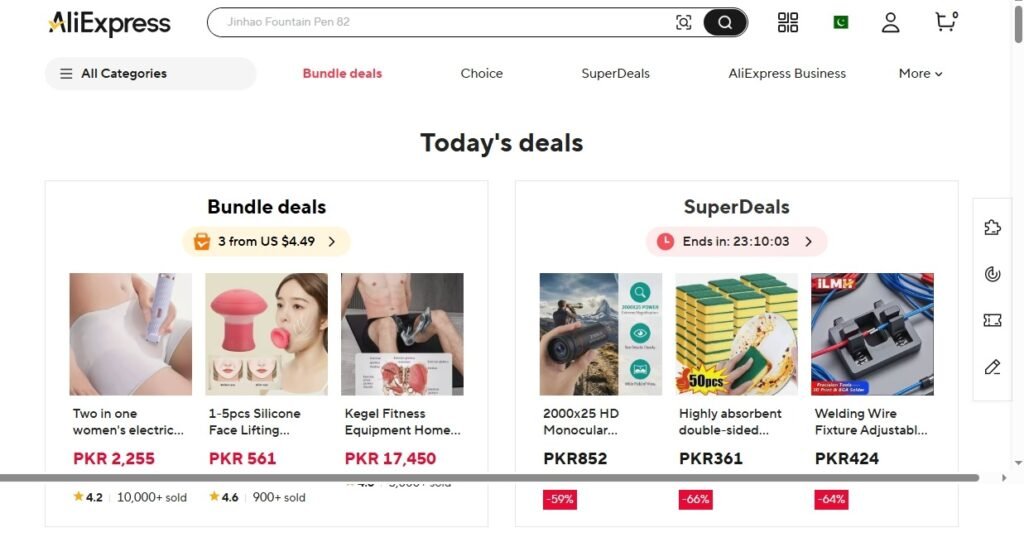
AliExpress is Alibaba’s consumer-facing marketplace. Most listings have no minimum order quantity, which makes it perfect for entrepreneurs who want to test a product before committing to a bulk order.
Prices are higher than what you’d pay through a factory on Alibaba, but the risk is much lower. You can place a single order, see how the product performs with your customers, then scale up once you’re confident.
Best for: Absolute beginners, dropshippers, and market validation.
MOQ: 1 unit | Buyer Protection: ✅ Refund and dispute policy
3. DHgate — Best for Small Batches Under $200
DHgate sits in the middle ground between AliExpress and Alibaba. It’s a B2B wholesale platform, but with much lower order minimums than traditional factory sourcing. It’s particularly strong in electronics, fashion accessories, and event/wedding products.
DHgate uses an escrow payment system, so your money is held until you confirm delivery. The platform has millions of sellers, so always check reviews and response rates before buying.
Best for: Small batch orders, businesses on a tight first-order budget.
MOQ: Low (varies) | Buyer Protection: ✅ Escrow payment
4. Made-in-China.com — Best for Niche and Industrial Sourcing
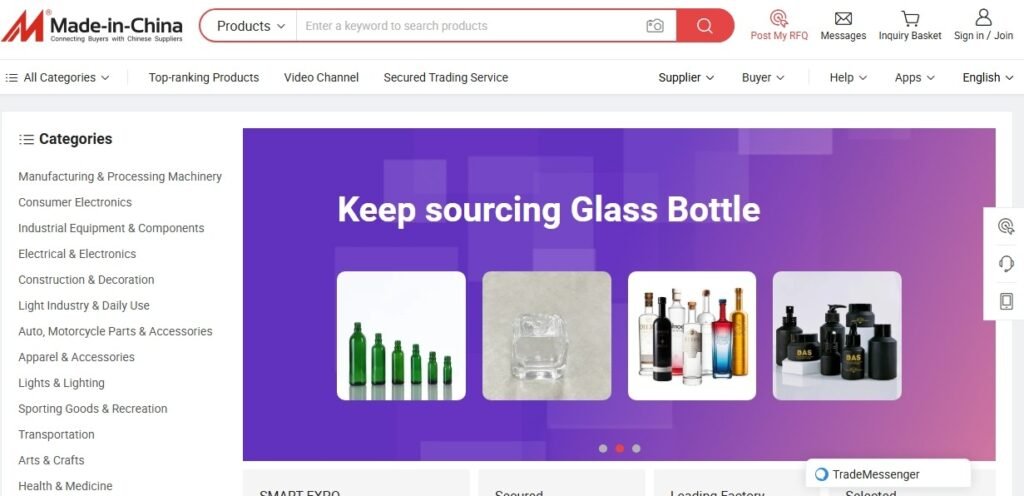
Made-in-China.com is a B2B platform with strong coverage in electronics, machinery, and industrial goods. It’s less crowded than Alibaba, which means you often deal more directly with actual manufacturers rather than middlemen.
The platform has solid supplier vetting, multilingual support, and a clean interface. If your product requires certifications or specific documentation, suppliers here tend to be more experienced in handling compliance needs.
Best for: Businesses sourcing electronics, industrial, or compliance-heavy products.
MOQ: Medium | Buyer Protection: ✅ Verified supplier badges
5. Global Sources — Best for Quality-Focused Buyers
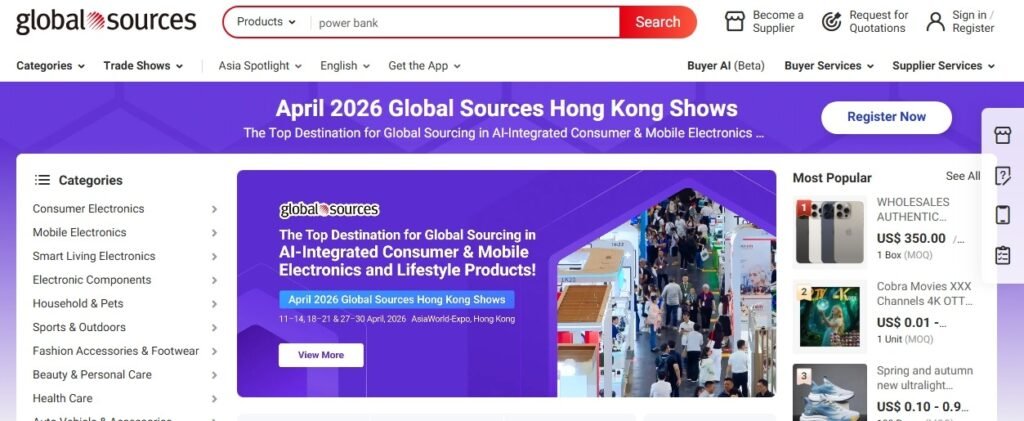
Global Sources is a premium B2B platform known for its rigorous supplier verification. It also hosts some of Asia’s largest trade shows, which gives it a network of higher-tier manufacturers.
Prices here are generally higher than Alibaba’s, but so is the baseline quality. This platform makes the most sense once your business has done some sourcing before and you’re ready to prioritize reliability over the lowest possible unit price.
Best for: Growing businesses that value quality consistency over rock-bottom cost.
MOQ: Medium to high | Buyer Protection: ✅ Verified supplier program
6. 1688.com — Best for Maximum Cost Savings
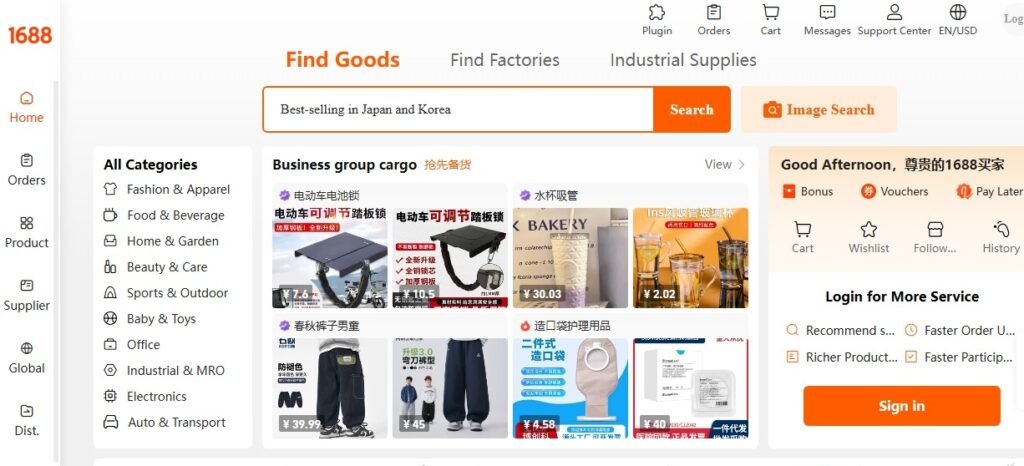
1688.com is Alibaba’s domestic Chinese platform — the one Chinese businesses actually use to buy wholesale from each other. Prices are typically 30–50% lower than what you’ll find on the English-language version of Alibaba.
The catch? The entire platform is in Chinese, and it’s not set up for international buyers at all. To use it effectively, you’ll need to work with a sourcing agent or freight forwarder who can bridge the language gap and handle logistics on your behalf.
Best for: Cost-focused buyers willing to work with a sourcing agent.
MOQ: Low to medium | Buyer Protection: ❌ Domestic only — no international buyer protection
Platform Comparison at a Glance
| Platform | MOQ | Language | Buyer Protection | Best For |
|---|---|---|---|---|
| Alibaba | Medium | English | ✅ Trade Assurance | Private label, bulk orders |
| AliExpress | 1 unit | English | ✅ Refund policy | Beginners, product testing |
| DHgate | Low | English | ✅ Escrow | Small batches, tight budget |
| Made-in-China | Medium | English | ✅ Verified badge | Electronics, niche products |
| Global Sources | Med–High | English | ✅ Verified program | Quality-focused businesses |
| 1688.com | Low–Med | Chinese only | ❌ Domestic only | Maximum cost savings |
How to Vet a China Supplier: A Step-by-Step Process
Finding a supplier on a platform is the easy part. Knowing whether that supplier is actually trustworthy is where most first-time buyers make costly mistakes.
Here’s a simple vetting process you can run on any supplier, regardless of which platform you found them on:
Step 1: Check Their Verified Status and Business License
Every major platform shows whether a supplier has been verified. Look for Gold Supplier badges on Alibaba or the verified manufacturer tag on Made-in-China. These aren’t foolproof, but they filter out a significant portion of fraudulent listings.
For added peace of mind, you can look up the supplier’s registered company name on China’s National Enterprise Credit Information Publicity System. It’s free and publicly accessible.
Step 2: Ask for Factory Photos and Request a Video Call
A real factory with real production lines will have no problem sending you photos or jumping on a WhatsApp or WeChat video call. This is a standard practice in the industry.
If a supplier hesitates, makes excuses, or sends you stock images that look too polished, that’s a warning sign. Legitimate manufacturers are used to this kind of due diligence from international buyers.
Step 3: Always Order a Sample First
This step is non-negotiable. Budget $30–$100 for a sample order and treat it as an investment, not a cost. You’ll learn more from holding the actual product in your hands than from any product listing description or photos.
Check the build quality, packaging, dimensions, and any branding elements you requested. If the sample misses the mark, negotiate corrections before you scale up to a full order.
Step 4: Use Platform Payment Protection—Never Wire Transfer on a First Order
This is the rule that saves businesses thousands of dollars. Alibaba’s Trade Assurance and DHgate’s escrow hold your payment in trust until you confirm the order is correct and delivered.
Paying by wire transfer before you’ve established a working relationship removes every form of protection you have. Even experienced importers keep Trade Assurance active for the first several orders with any new supplier.
Step 5: Consider a Third-Party Quality Inspection
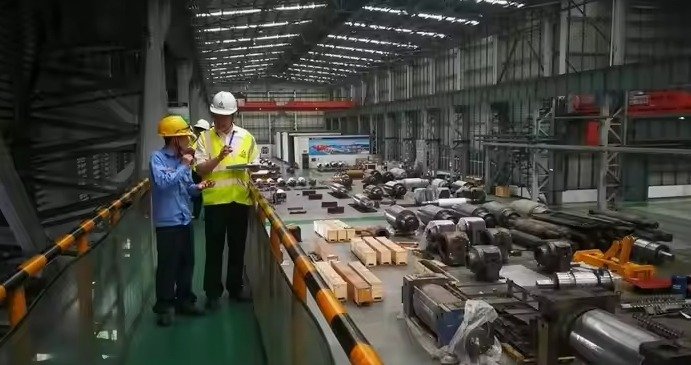
Once you’re placing orders above $2,000, a professional pre-shipment inspection is worth the investment. Services typically cost between $200 and $400 and send a trained inspector to the factory to verify the goods before they leave China.
Companies like Bureau Veritas and QIMA offer these services globally. It adds a step to your timeline but can prevent expensive mistakes from making it all the way to your warehouse.
Common Mistakes Small Businesses Make When Sourcing from China
Even with the right platform and a solid vetting process, there are a handful of mistakes that trip up small business owners again and again. Being aware of them in advance can save you a lot of money and frustration.
Skipping the Sample to Save Time
This is by far the most common — and most expensive — mistake. Buyers get excited, skip the sample stage, and place a 300-unit order based on listing photos alone. When the shipment arrives, the quality doesn’t match expectations.
A $50 sample can save you a $3,000 mistake. There’s no good reason to skip it.
Choosing the Cheapest Option Without Vetting
Price is one signal — not the only signal. A suspiciously low unit cost often means lower materials, rushed production, or a trading company adding a margin on top of someone else’s factory price.
Compare prices across 3–5 suppliers for the same product. If one is significantly cheaper than the rest, ask why. Sometimes it’s a legitimate efficiency. Often, it isn’t.
Underestimating Shipping Costs and Lead Times
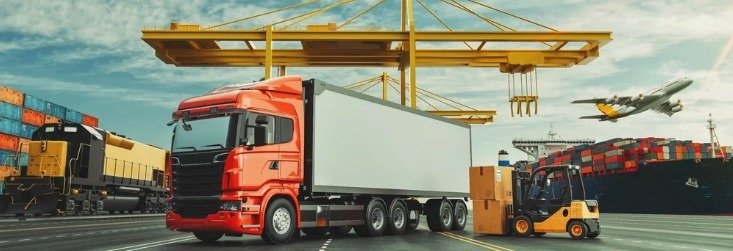
Many first-time importers calculate their margins based on the product cost alone, then get blindsided by shipping fees, customs duties, and delivery timelines. Sea freight from China to the US typically takes 25–35 days, and costs vary significantly by volume and season.
Always factor in total landed cost—product price + shipping + import duties + any inspection fees—before deciding whether a product is profitable.
Not Defining Product Specs in Writing
Verbal agreements and vague chat messages aren’t enough. Before any production begins, send the supplier a written product specification sheet that includes dimensions, materials, colors, packaging requirements, and any certifications needed.
This protects you if the final product doesn’t match what was agreed upon and gives you clear grounds for dispute resolution if things go wrong.
If navigating these details feels overwhelming, working with a full-service sourcing company like CHANGE Sourcing can take a lot of the complexity off your plate. They handle supplier vetting, quality control, and logistics coordination so you can focus on running your business rather than managing supply chain details.
Tips for Building Long-Term Supplier Relationships
The best China suppliers treat their repeat buyers differently from one-off customers. You get better pricing, priority production slots, and faster communication when you’re seen as a reliable partner rather than a random order.
Here are a few simple ways to build that kind of relationship:
- Pay on time, every time. Late payments are the fastest way to lose priority status with a supplier.
- Communicate professionally. Be clear, concise, and polite in all messages. Suppliers deal with buyers from all over the world and appreciate straightforward communication.
- Give detailed feedback on samples. Specific feedback (“the stitching on the left seam is too loose”) is far more useful than generic complaints. It shows you know your product and makes it easier for the factory to fix the issue.
- Consolidate orders as you grow. As your order volume increases, bring that volume to 2–3 core suppliers rather than spreading it across ten. You’ll get better pricing, faster turnaround, and a real working relationship.
- Keep a backup supplier. Even a great supplier can face production delays, factory closures, or capacity issues. Having a secondary option ready means you’re never caught completely off guard.
Frequently Asked Questions
Here are the most common questions small business owners ask when they’re just getting started with China sourcing.
Q1: Which is better for a small business — Alibaba or AliExpress?
It depends on where you are in your journey. AliExpress is better for complete beginners because there’s no MOQ, and the risk is minimal. You can order one unit, test the product, and see if it sells before spending more.
Once you’ve validated your product and you’re ready to buy in larger quantities, Alibaba gives you access to factory-direct pricing, private labeling, and custom packaging.
Q2: Is it safe to pay suppliers through DHgate or Alibaba?
Yes — as long as you use the platform’s built-in payment protection. Alibaba’s Trade Assurance holds your funds in escrow and only releases payment once you confirm the order has been delivered correctly. DHgate’s escrow system works the same way.
Q3: What is a reasonable MOQ for a small business just starting out?
If you’re testing a new product, you want MOQ to be as low as possible—ideally under 50 units, or even 1 unit on platforms like AliExpress. This lets you validate demand before committing real capital.
Q4: Do I need a sourcing agent to buy from Chinese suppliers?
Not always. For English-language platforms like Alibaba, AliExpress, DHgate, and Global Sources, you can communicate and transact entirely on your own.
A sourcing agent becomes valuable in two specific situations: when you want to access 1688.com (which is Chinese-only) or when you’re placing large enough orders to justify professional oversight of production, quality control, and shipping. For most beginners, the English-language platforms are sufficient to get started.
Q5: How long does shipping from China typically take?
It depends on the shipping method. Express couriers like DHL, FedEx, and UPS typically deliver in 5–10 business days but cost significantly more per kilogram. Standard air freight takes around 10–20 days and sits in the middle in terms of cost.
Sea freight is the most economical option for large shipments and typically takes 25–35 days from China to the US. For time-sensitive inventory, always factor the shipping window into your stock planning—running out of inventory because a shipment is delayed is one of the most preventable problems in e-commerce.
Final Thoughts: Where Should You Start?
If you’ve never sourced from China before, start small and start safe. AliExpress lets you test a product with zero MOQ commitment and minimal financial risk. Once you know a product sells, move to Alibaba or DHgate for better pricing on small to mid-sized bulk orders.
When you’re ready to go higher—lower prices, custom branding, or working directly with factories—that’s when 1688.com and a sourcing agent become worth exploring. The cost savings can be substantial, but only once you have the volume and experience to manage the added complexity.
For businesses that want professional support navigating all of this, CHANGE Sourcing offers end-to-end sourcing services—from supplier identification and vetting to quality inspections and shipping coordination. It’s a practical option if you want to move fast without learning everything from scratch.
The most important action you can take today? Pick one product, choose a platform from this list, and place a sample order. Everything else follows from there.