
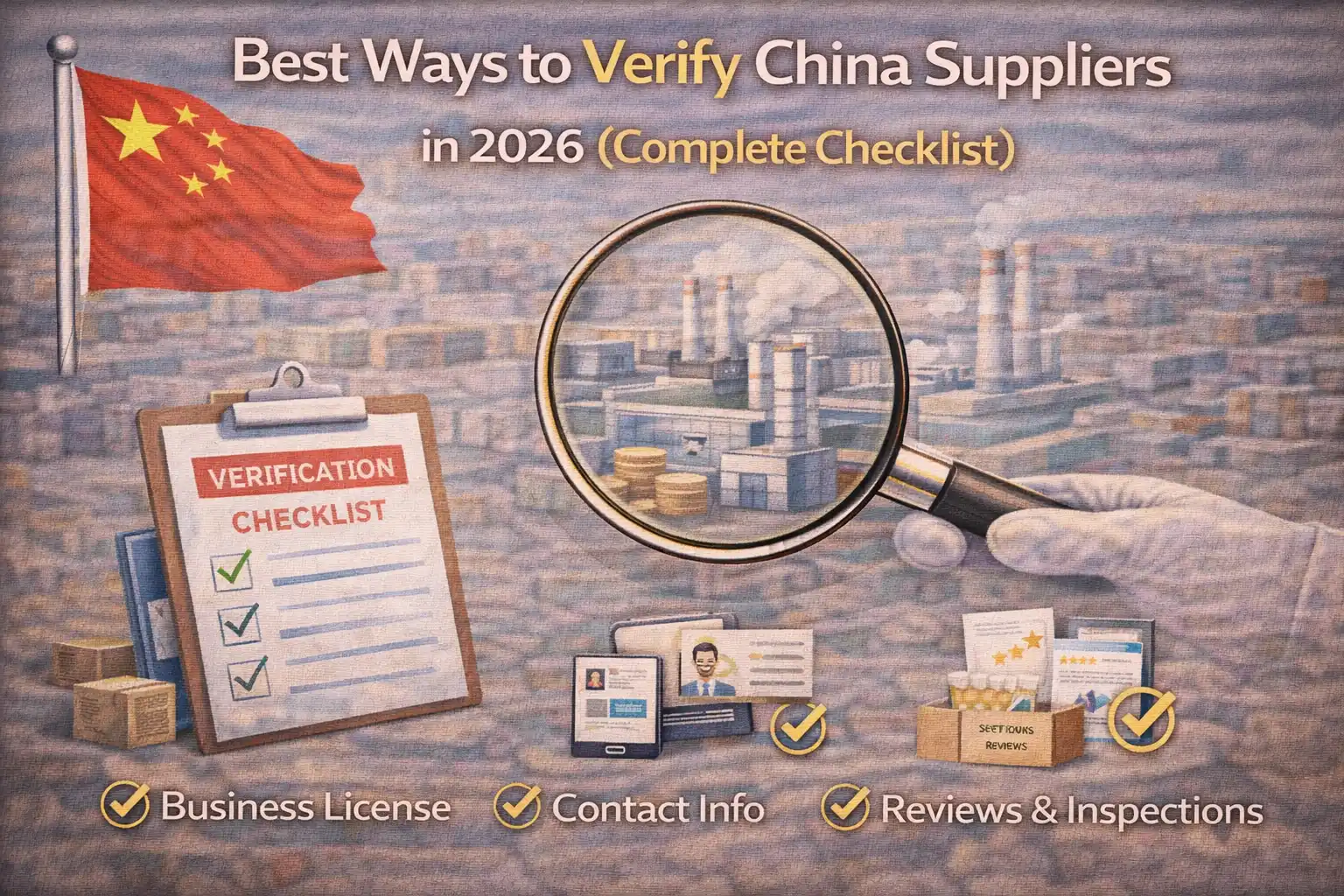
Sourcing products from China has never been more accessible. But with over 27 million new business entities registered in China in 2024 alone—averaging 24,000 new companies every single day—the risk of landing with a fake factory or a dishonest middleman is very real.
Fraud is not rare. Trading companies routinely pose as direct manufacturers. Some suppliers use stolen certificates and fake addresses to appear legitimate. And once you wire your deposit, your options shrink fast.
The good news? Verification is not complicated. It just needs to be done in the right order, using the right tools. This guide walks you through the best ways to verify China suppliers before you spend a single dollar.
1. Check the Business License on NECIPS
Every legitimate Chinese company must hold a government-issued business license. The quickest way to verify one is through the National Enterprise Credit Information Publicity System (NECIPS), China’s official public registry.
What to Look For
Ask your supplier for their Unified Social Credit code—an 18-digit number unique to each registered entity. Then check these four details on NECIPS:
- Company name in Chinese and English
- Business scope: Does it actually cover manufacturing your product type?
- Legal representative: This should match who signs your contracts
- Registration status: Confirm the company is active, not cancelled or suspended
If the name on the license does not match the name on invoices or the bank account, stop. That mismatch is one of the clearest signs that something is wrong.
2. Know the Difference: Manufacturer vs. Trading Company
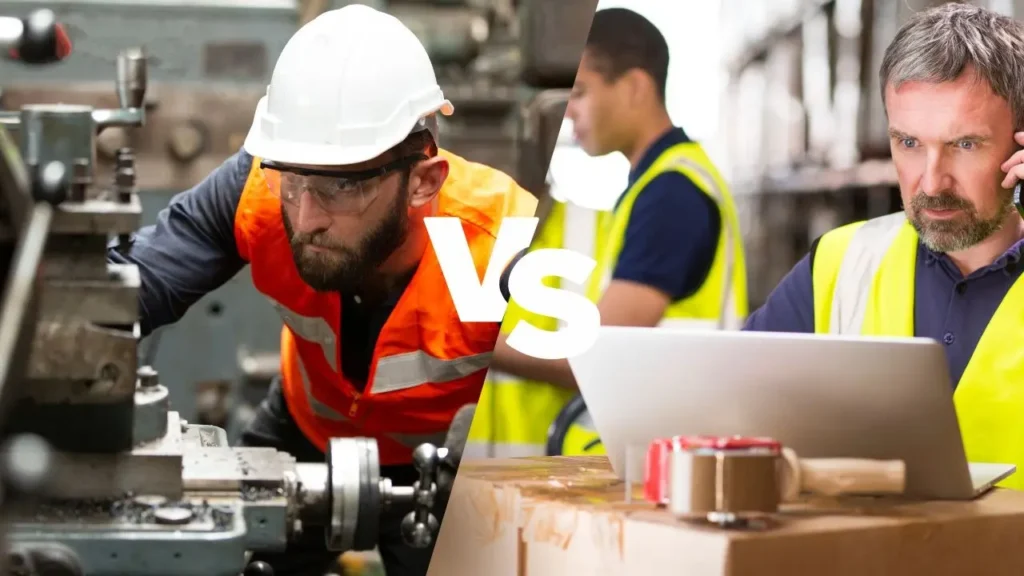
This is a step most buyers skip — and it costs them later. A manufacturer makes the product. A trading company buys from a manufacturer and resells to you, adding a margin and removing your direct control over quality.
Neither is automatically bad. But you need to know which one you are dealing with before negotiating price or quality terms.
How to Tell Them Apart
- Product range: A real manufacturer usually makes a narrow product category. If a supplier offers toys, electronics, clothing, and furniture, they are almost certainly a trader.
- MOQ: Factories typically have higher minimum order quantities. Very low MOQs with no factory visit option are a warning sign.
- Business scope on license: Look for the words ‘生产’ (production/manufacturing). If the scope only lists ‘销售’ (sales), they are a trading company.
- Factory visit reaction: A real manufacturer welcomes visits. A trader will deflect or delay.
Being clear on this distinction saves you from pricing surprises, quality issues, and accountability gaps down the line.
3. Use B2B Platform Verification Tools
Major B2B sourcing platforms have built-in verification features that give you a quick first filter.
Platforms Worth Checking
- Alibaba: Look for Gold Supplier status and Trade Assurance coverage. These indicate that Alibaba has conducted some level of verification and that your payment has a degree of protection.
- Global Sources: Suppliers on Global Sources tend to be audited more rigorously than on Alibaba. Look for the Verified Supplier badge.
- Made-in-China.com: Offers audit reports you can purchase directly on the supplier profile page.
These badges are a starting point, not a finish line. Always go further with the steps below.
4. Request a Factory Audit
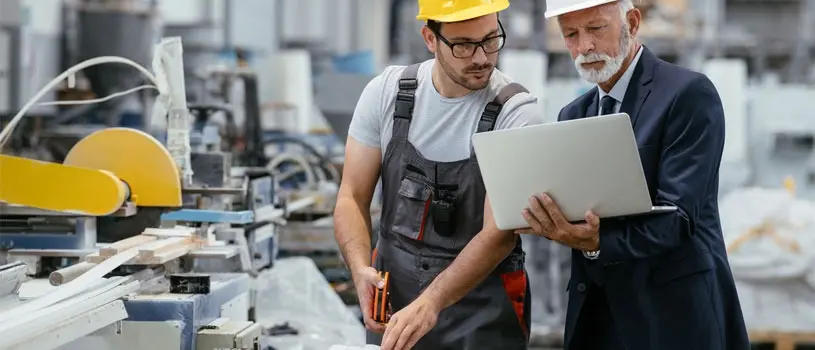
A factory audit is the most reliable verification tool available. It puts eyes inside the facility—either yours or a professional inspector’s—to confirm that real manufacturing actually happens there.
Types of Audits
- Basic Factory Visit: Confirms location, size, workforce, and whether the factory matches what the supplier claims. Cost: usually under $300.
- Quality System Audit: Assesses production processes, inspection systems, and traceability. More useful for larger orders or complex products.
- Social Compliance Audit: Checks labor conditions, safety standards, and ethical practices. Required by many Western retailers.
Who Can Run the Audit?
Third-party inspection agencies like SGS, Intertek, and Bureau Veritas conduct independent audits across China.
The typical cost ranges from $250 to $400, with a detailed photo report delivered within 24 to 48 hours.
If you work with a sourcing partner that has feet on the ground in China, they can often arrange and attend factory audits on your behalf.
This is one of the core services offered by companies like CHANGE Sourcing, which handles factory verification, audit coordination, and supplier vetting as part of a full sourcing service.
5. Verify Certifications — Do Not Just Accept a Scan
Certificates are easy to fake. A supplier sending you a PDF of an ISO or CE certificate means nothing unless you verify it with the issuing body.
Common Certifications by Product Type
- Electronics: CE, RoHS, FCC
- Food & supplements: FDA, GMP, HACCP
- Apparel & goods: BSCI, Sedex, OEKO-TEX
- General manufacturing: ISO 9001 (quality management), ISO 14001 (environmental)
How to Verify a Certificate
- Cross-check the certificate number on the issuing body’s official website (SGS, TÜV, Intertek)
- Confirm the certificate has not expired
- Check that the company name on the certificate matches the business license exactly
- Be cautious of self-issued or poorly formatted documents—real certificates follow a strict layout
6. Always Order Samples Before Bulk Production
Samples are your clearest window into what a supplier will actually deliver. Do not skip this step, even if a supplier has strong reviews or an impressive factory.
The Golden Sample Method
- Order samples from 2 to 3 suppliers at the same time and compare them side by side
- Inspect materials, stitching, weight, finish, and packaging—everything that matters to your customer
- Keep one approved sample—called the ‘golden sample’—as the official quality benchmark for your production run
- Require the factory to sign off on the golden sample before production starts
If a supplier refuses to provide samples or asks for an unusually large sample fee, treat it as a red flag.
7. Run a Pre-Shipment Inspection
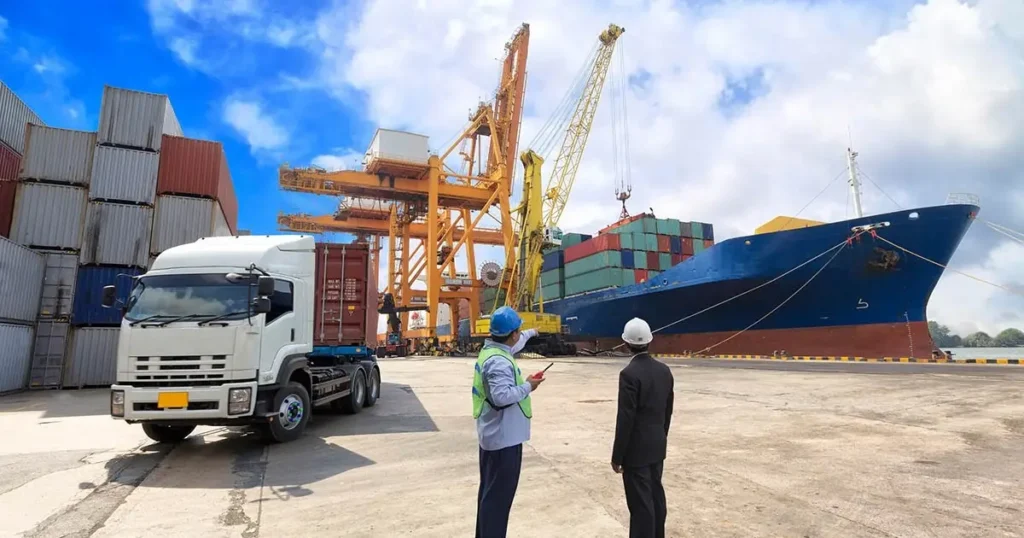
Even after sampling and production monitoring, a pre-shipment inspection is your last checkpoint before goods leave China. This is where you confirm the actual order matches what you approved.
What Gets Checked
- Product quantity and dimensions match the purchase order
- Visual quality and functional performance meet the approved sample
- Packaging, labeling, and barcodes are correct
- Random units from multiple cartons are opened and inspected
Third-party pre-shipment inspections typically cost $250 to $350 and deliver a photo report within 24 hours. This small investment can prevent a far costlier shipment rejection or customer return rate spike.
Red Flags Checklist: Walk Away If You See These
No step-by-step guide is complete without knowing what to watch for. Here are the clearest warning signs that a supplier is not legitimate:
- Only a mobile number, no landline or verified office address
- Refuses a factory visit or keeps rescheduling with vague excuses
- The bank account name does not match the company name on the business license
- Prices are well below market rate—if it seems too good to be true, it usually is
- Cannot provide the original business license, or the documents are inconsistent
- Pushes for payment via personal bank transfer or non-business channels like WeChat Pay
- Very low MOQ with no audit access—a real factory has production constraints
- Inconsistent English in official documents or mismatched company name spellings
Trust your instincts here. Legitimate suppliers understand due diligence and welcome it. Fraudulent ones resist it.
Final Thoughts: Layer Your Verification
No single step above is foolproof on its own. The key is to layer them. Start with a business license check. Identify whether you are dealing with a manufacturer or trader. Use platform badges as a filter. Then audit, sample, certify, and inspect.
The more orders you place and the higher your order value, the more thorough your verification should be. A $1,000 sample order warrants a different level of due diligence than a $50,000 production run.
If you want an experienced team to handle supplier verification end-to-end, CHANGE Sourcing provides full-service sourcing support with local teams in China. That means you get verified suppliers, quality checks, and shipment oversight without needing to be on the ground yourself.
Verification is not bureaucracy. It is how smart buyers protect their margins, their reputation, and their customers.
Frequently Asked Questions
The quickest free method is searching the supplier’s company name or Unified Social Credit Code on the NECIPS website. You can also Google the company name, phone number, and contact person to check for scam reports or forum mentions.
It is an 18-digit number assigned to every registered business in China by the government. Think of it like a company’s national ID number. Every legitimate supplier should be able to provide theirs without hesitation.
A manufacturer produces goods directly. A trading company buys from factories and resells to buyers. Trading companies are not always bad, but they add a margin, limit your quality control access, and reduce accountability. Always clarify which type you are dealing with before placing orders.
A basic factory visit costs under $300 in most coastal manufacturing areas. A full quality system audit runs between $250 and $400, depending on the scope and agency. Pre-shipment inspections are similarly priced at $250 to $350 and include a detailed photo report.